What is Overcurrent Testing Equipment and How to Use It?
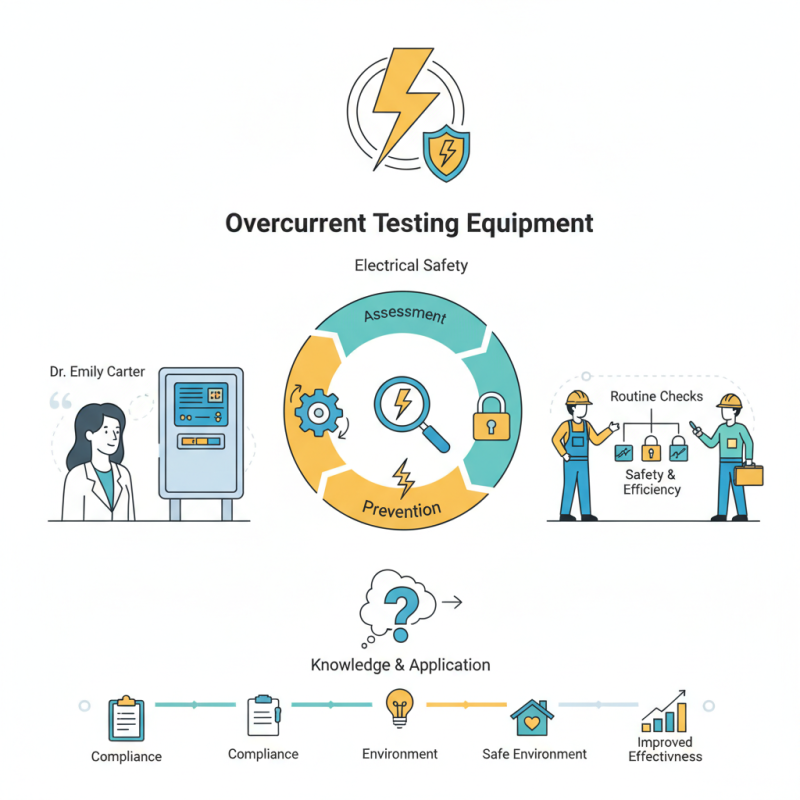
Understanding Overcurrent Testing Equipment is crucial for electrical safety. As industry expert Dr. Emily Carter states, "Proper testing can prevent catastrophic failures." This highlights the importance of this equipment in ensuring the integrity of electrical systems.
Overcurrent Testing Equipment assesses the performance and reliability of circuit breakers and fuses. It helps identify potential problems before they escalate. Many technicians may overlook this equipment in their routine checks. This can lead to unforeseen issues, affecting both safety and operational efficiency.
Incorporating overcurrent testing into regular maintenance routines is vital. It is not just about compliance; it's about ensuring a safe working environment. Engineers and technicians must prioritize this aspect. Reflecting on their practices may reveal gaps in knowledge or application. A reassessment can vastly improve overall safety and effectiveness in the field.
What is Overcurrent Testing Equipment and its Purpose in Electrical Safety?
Overcurrent testing equipment is crucial for maintaining electrical safety. Its main purpose is to measure the current flowing through a circuit. This ensures that the current does not exceed safe levels. Excessive current can lead to overheating, fires, and equipment damage. Using this equipment can help prevent these dangers effectively.
The testing process is straightforward but essential. Technicians connect the equipment to the electrical system. They then monitor the current flow while running specific tests. It is important to follow manufacturer guidelines carefully. In some instances, errors in setup can lead to inaccurate readings. Continuous training for personnel is vital. This helps ensure that everyone understands the equipment's proper use.
Many electrical systems are complex. Hence, understanding all components is necessary. Overcurrent testing can sometimes reveal unexpected issues. For example, a circuit may show normal levels initially but peak unexpectedly during tests. Such results can challenge technicians. They need to investigate further. Regular testing contributes to overall safety and reliability. It helps identify weak points in the system before failures occur.
Key Components and Functionality of Overcurrent Testing Equipment
Overcurrent testing equipment is essential for assessing the performance of electrical systems. Its key components include current injectors, measuring devices, and control units. Current injectors allow technicians to create predefined overcurrent conditions. This makes it easier to observe system responses under stress. Measuring devices collect data on current flow and voltage levels. They ensure accurate readings during tests, crucial for precise analysis.
The functionality of overcurrent testing equipment lies in its ability to simulate fault conditions. Operators can analyze how protective devices behave under overload scenarios. This helps identify weaknesses in system design or equipment. It also provides insights into potential failures. However, improper use can lead to misleading results. Users must ensure calibration and setup are correct. Regular maintenance of equipment is also key to reliability.
Data collected during testing must be interpreted with caution. While trends can suggest issues, anomalies may arise. Understanding these details is vital for effective troubleshooting. Technicians need to combine practical experience and theoretical knowledge. This approach enhances the reliability of their assessments. Overcurrent testing is not just about equipment; it’s about the expertise behind it.
Industry Standards and Regulations Governing Overcurrent Testing
Overcurrent testing is critical in ensuring electrical safety and reliability. Various industry standards guide its application. The International Electrotechnical Commission (IEC) has established IEC 60529, which defines ingress protection ratings crucial for equipment casing in overcurrent testing. Another key standard is the National Electrical Manufacturers Association (NEMA) guidelines, which suggest optimal practices for testing and maintaining circuit breakers and overload relays.
The Institute of Electrical and Electronics Engineers (IEEE) offers the IEEE 242 standard, outlining the requirements for protective relay testing. This standard emphasizes the accuracy of the tests, particularly when dealing with fault conditions. Reports suggest that about 30% of electrical failures can be attributed to faults in protective devices due to inadequate testing, underscoring the importance of following these standards closely.
Despite the established guidelines, implementation can vary. Many facilities report inconsistencies in testing practices. This can lead to oversights and failures in equipment performance. Regular audits and an updating of procedures may be necessary, but they often meet resistance. The pitfalls of neglecting these standards can be severe, including increased operational costs and safety risks.
Step-by-Step Guide to Conducting Overcurrent Tests Correctly
Overcurrent testing equipment is vital for ensuring electrical systems' safety and performance. Conducting these tests requires careful planning and execution. Here’s a step-by-step guide to help you navigate the process effectively.
Begin by preparing your workspace. Ensure that all equipment is in good condition. Safety gear is essential—use gloves and goggles. This protects against potential hazards. Gather your testing devices and review their specifications. Make sure you understand how they function.
Next, connect the overcurrent testing equipment to the circuit. Monitor the setup closely. Proper connections are crucial to accurate readings. Do not rush this step; mistakes can lead to false results.
Tips: Always double-check your connections. Work in a well-ventilated area to avoid electrical hazards. Be cautious with high currents.
After connecting, initiate the test. Record the outcomes carefully. Note any irregularities or unexpected results. Reflect on what went well and what can be improved for future tests. Continuous improvement is key in electrical testing practices.
After completing the tests, ensure the equipment is turned off and disconnected properly. Store everything neatly for future use. Maintain your tools regularly for reliability.
Interpreting Results and Troubleshooting Common Issues in Testing
Overcurrent testing equipment is essential for ensuring electrical safety. Once testing is complete, interpreting the results can seem daunting. Look for key indicators like trip settings and current ratings. These figures reveal how the equipment responded to the test. For instance, a trip at a lower than expected current suggests either a malfunction in the device or improper testing protocols.
Common issues often arise during testing. Misconfigured settings can lead to inaccurate results. Always double-check your equipment setup. Environmental factors, such as temperature, may also affect readings. If the results are inconsistent, consider recalibrating the equipment. It's vital to document these factors to track patterns over time. Anomalies in data may indicate deeper issues requiring investigation. Addressing these challenges strengthens your testing reliability.
Overcurrent Testing Equipment: Test Results Analysis
The following bar chart represents the results of overcurrent tests conducted on electrical equipment, illustrating the current levels versus acceptable limits.



