
NOTICE
We use cookies to improve the user experience and analyze its performance.
Choosing the right Pneumatic Actuator Parts can determine whether an automated valve runs smoothly or fails during a busy production shift. Global buyers need more than attractive prices. They need verified materials, stable dimensions, reliable seals, and clear technical support.
This guide examines seven essential parts commonly used in pneumatic actuator systems. They include piston seals, O-rings, guide rings, bearings, spring sets, mounting brackets, and position indicators. Each part affects performance in a different way. A worn seal may cause slow movement. A weak spring can reduce return accuracy. Poorly matched brackets may create unnecessary shaft stress.
Real purchasing decisions often happen under pressure. A maintenance engineer may compare two seals beside a noisy compressor. A buyer may inspect thread sizes from a supplier’s drawing. These details matter. Experience shows that compatibility should be checked before unit price. Material, temperature range, pressure rating, corrosion resistance, and replacement availability deserve equal attention.
There is no universal “best” part.
The right choice depends on the actuator model, working medium, cycle frequency, and installation environment. Stainless steel may suit humid facilities, while reinforced polymers can reduce friction in cleaner applications. However, supplier claims still require verification through datasheets, samples, and practical testing. Some recommendations can be incomplete, especially when product information is limited. That is worth admitting. This overview offers a careful starting point for global buyers seeking dependable pneumatic components, clearer specifications, and fewer avoidable maintenance problems.
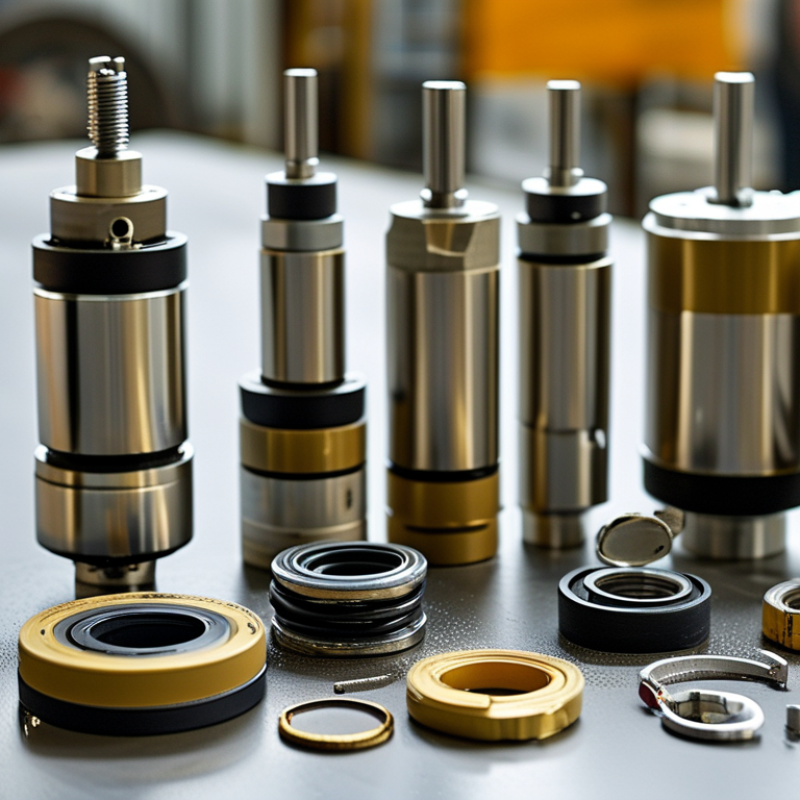
Pneumatic actuator parts convert compressed air into controlled mechanical motion. The main components include the housing, piston, shaft, seals, bearings, springs, and end caps. Each part has a specific role. The housing contains pressure safely. The piston receives air force. The shaft transfers movement to a valve or machine linkage. Seals prevent leakage, while bearings guide the shaft with less friction. Springs provide return movement in single-acting designs. End caps close the chamber and usually contain air ports.
The working process is straightforward. Compressed air enters one port and pushes the piston. The piston then moves the shaft in a linear direction. In rotary actuators, a rack-and-pinion mechanism converts that movement into rotation. A vane mechanism can create rotation directly inside the chamber. Air leaving through the opposite port allows the actuator to reverse. Small pressure changes can affect speed, torque, and positioning. This detail is often underestimated.
In practical maintenance, worn seals commonly appear before major metal damage. Look for air leakage, slower movement, uneven rotation, or unusual noise. Global buyers should check operating pressure, torque output, cycle frequency, temperature range, shaft dimensions, and seal materials. Corrosive environments require stronger surface protection. Dusty sites need dependable sealing. The word “best” is not absolute. A high-torque spring may improve safety but reduce available stroke speed. A compact housing saves space but can limit repair access. Careful matching matters more than appearance. Even experienced teams sometimes select parts from incomplete measurements, and that mistake deserves review before ordering.
| No. | Pneumatic Actuator Part | What It Is | How It Works | Common Materials | Key Selection Factors | Typical Inspection Point |
|---|---|---|---|---|---|---|
| 1 | Cylinder Tube or Body | The pressure-containing chamber in which the piston travels. | Compressed air enters one side of the tube and creates pressure on the piston, producing linear movement. | Anodized aluminum, stainless steel, or coated steel. | Bore diameter, stroke length, pressure rating, corrosion resistance, and mounting envelope. | Check for dents, internal scoring, corrosion, and air leakage around the tube joints. |
| 2 | Piston | A movable disc that separates the two air chambers inside the cylinder. | The pressure difference between the two sides generates force according to the effective piston area. | Aluminum alloy, engineered polymer, or coated steel. | Bore compatibility, load force, speed, temperature, and resistance to wear. | Look for uneven wear, sticking, reduced force, or bypass leakage across the piston seal. |
| 3 | Piston Rod | The rod that transfers piston force to an external load or linkage. | The rod extends or retracts as air pressure moves the piston, creating linear output motion. | Chromium-plated carbon steel, stainless steel, or nickel-plated steel. | Rod diameter, stroke, buckling load, side-load exposure, surface hardness, and corrosion environment. | Inspect for bending, pitting, scratches, misalignment, and damage to the rod seal. |
| 4 | Seals and Wipers | Flexible components that retain compressed air and prevent contaminants from entering. | Seals maintain an air barrier around the piston and rod while allowing controlled sliding movement. | Polyurethane, nitrile rubber, fluorocarbon rubber, or other engineered elastomers. | Temperature, air quality, lubricant compatibility, pressure, speed, and chemical exposure. | Use a leak test and check for hardened, cracked, swollen, or excessively worn sealing lips. |
| 5 | End Caps | Front and rear closures that seal the cylinder and provide mounting or port locations. | They contain the air pressure and guide the piston rod through the front cap. | Aluminum alloy, stainless steel, or coated steel. | Port thread standard, mounting style, pressure rating, environmental protection, and serviceability. | Check fasteners, cap seals, mounting threads, cracks, and leaks at the end-cap joints. |
| 6 | Air Ports and Fittings | Threaded or push-in connections that deliver and exhaust compressed air. | Directional control valves route air through the ports to extend or retract the actuator. | Brass, nickel-plated brass, stainless steel, aluminum, and engineering plastics. | Thread standard, tube outside diameter, flow capacity, pressure rating, and installation space. | Apply leak-detection fluid and inspect threads, tubing cuts, fitting collets, and connection tightness. |
| 7 | Cushioning Components | Adjustable needles, cushion sleeves, or air-cushion passages used near the stroke ends. | They restrict exhaust air near the end of travel, reducing impact and noise during deceleration. | Steel, stainless steel, aluminum, brass, and polymer components. | Load inertia, operating speed, stroke length, adjustment range, noise limits, and cycle frequency. | Check for hard end-of-stroke impact, inconsistent stopping, blocked passages, or incorrect adjustment. |


