What is an Air Muffler Silencer and How Does it Work?
In the world of automotive and industrial machinery, noise reduction is crucial. The "Air Muffler Silencer" plays a vital role in minimizing sound pollution. Expert John Harrison, a renowned acoustics engineer, once said, “Silencing air systems is key for comfort and efficiency.” His insights highlight the importance of these devices.
An Air Muffler Silencer uses advanced technology to reduce noise levels created by compressed air. This device works by dissipating sound waves and absorbing noise, leading to a quieter environment. In factories and workshops, excessive noise can cause stress and hinder communication. Properly functioning silencers alleviate these issues, yet many overlook their significance.
Despite their benefits, not all air mufflers deliver the same results. Some may not efficiently reduce noise or could even exacerbate the problem. Understanding the mechanics and selecting the right Air Muffler Silencer becomes essential for optimum performance. As industries evolve, the integration of effective silencing methods remains a challenge worth addressing.
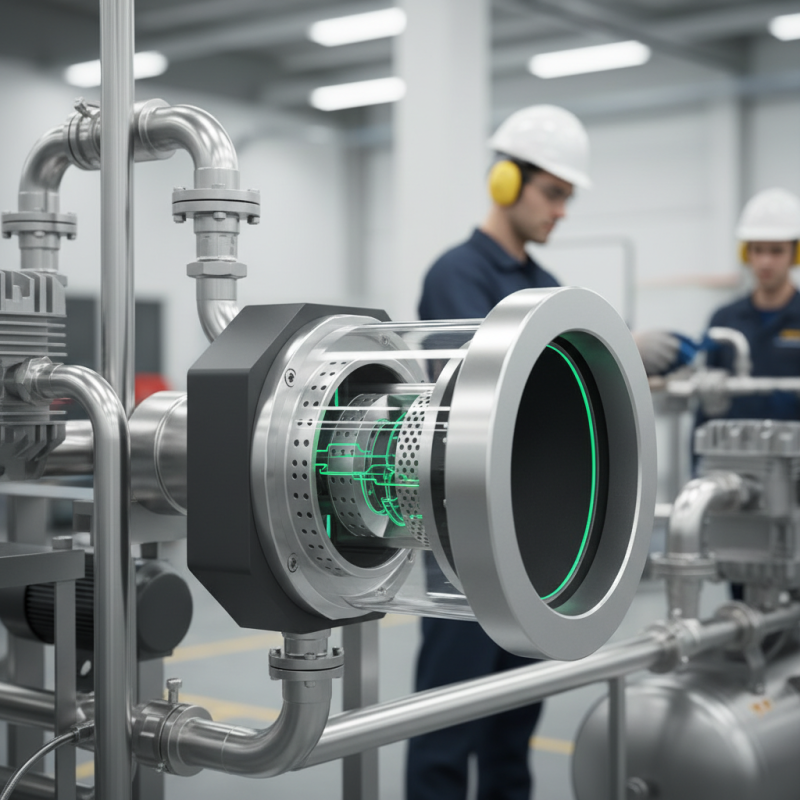
What is an Air Muffler Silencer?
An air muffler silencer is a device designed to reduce noise produced by air exhaust systems. It's commonly used in various applications, from industrial machinery to residential air conditioning units. These silencers help control the sound of escaping air, making environments more pleasant and less disruptive.
The design of an air muffler silencer typically involves a series of chambers or baffles. As the air passes through, it encounters obstacles that cause turbulence. This turbulence dissipates sound energy, resulting in quieter operation. However, not all silencers work the same way. Their effectiveness can vary based on factors like size and installation.
Tips:
Ensure proper sizing for maximum effectiveness. An oversized muffler can lead to air flow issues. Meanwhile, if it's too small, it may not reduce noise adequately. Regular maintenance checks on the silencer are also important. Dust and debris can accumulate inside, compromising its function.
Choosing a silencer for your application requires careful thought. Reflect on your specific needs and the typical noise levels. Sometimes, a simple change can yield significant noise reduction. Take your time to research options, as every environment is different.
Air Muffler Silencer Effectiveness
This chart illustrates the effectiveness of an air muffler silencer in reducing noise across three different frequency ranges: low, medium, and high. As shown, the most significant noise reduction occurs in the low frequency range with a reduction of 30 dB.
The Role of Air Mufflers in Noise Reduction
Air mufflers play a crucial role in noise reduction. These devices are commonly used in various applications, including industrial machinery and automotive systems. By dampening sound waves, air mufflers create a quieter environment. This is particularly important in urban settings where noise pollution can be a significant issue.
The mechanism behind an air muffler includes unique internal structures that alter sound frequencies. As exhaust gases pass through, they encounter these barriers, which dissipate sound energy. This dissipation transforms loud, disruptive noises into softer sounds. However, not every muffler is effective for all situations. Some designs may fail to significantly reduce noise in certain environments.
It’s interesting to note that the effectiveness of mufflers can vary. Factors such as placement, design, and materials all influence performance. In some cases, users might need to experiment with different types or configurations. Noise reduction is not always perfect, and tuning the solution can take time. Sometimes, achieving the desired level of quiet may require additional modifications or alternative approaches.
How Air Mufflers Function: The Science Behind the Silence
Air mufflers, often referred to as silencers, play a crucial role in noise reduction in various systems. They are primarily used in exhaust systems to manage sound. The science behind air mufflers lies in their design, which utilizes chambers and perforated tubes. These components disrupt sound waves, reducing their strength and intensity.
Research indicates that proper muffler design can decrease noise levels by up to 90%. This reduction is particularly important in industrial settings, where excessive noise can lead to hearing loss and decreased productivity. For instance, the Occupational Safety and Health Administration (OSHA) sets permissible noise exposure limits to protect workers.
Tips: When selecting an air muffler, consider material durability and sound absorption quality. Not all mufflers provide the same level of performance. Test various options in your specific environment. Noise isn't just an annoyance; it can affect worker health and efficiency.
Furthermore, installation matters. An improperly installed air muffler might not deliver the expected performance. Consider hiring a qualified professional for installation. They can ensure that the muffler operates as intended, maximizing both its noise reduction and lifespan. While air mufflers can significantly reduce sound, it's essential to regularly check and maintain them. Neglect can lead to unexpected noise issues and performance drops.
Types of Air Mufflers: Variations and Applications
Air mufflers are essential components in various applications. They serve to reduce the noise generated by air systems. Different types of air mufflers exist, each tailored for specific needs and environments. For instance, expanding silencers utilize an increase in diameter to dissipate sound effectively. These work well in industrial settings where loud machinery is common.
Another type is the reactive muffler. Unlike expanding types, these employ chambers to create sound wave interference. This design can silence high-frequency noises. It's crucial to choose the right model. Using an unsuitable muffler can lead to inefficiency and excessive noise, which can disturb the work environment. Additionally, some models are better suited for specific pressures or flow rates.
However, air mufflers are not always perfect. Sometimes, they may not provide sufficient noise reduction. This can be frustrating, especially when you need a quieter workspace. Regular maintenance is also essential to ensure optimal performance. If not checked, mufflers can become clogged or damaged. Carefully evaluating your needs before making a selection is vital for achieving the desired results.
What is an Air Muffler Silencer and How Does it Work? | Type of Air Muffler | Application | Noise Reduction Level (dB) | Material | Typical Use |
| Reactive Muffler | Compressed Air Systems | 20-30 | Steel | Industrial Equipment |
| Absorptive Muffler | Vacuum Systems | 25-35 | Aluminum | Laboratory Equipment |
| Combination Muffler | General Air Handling | 15-28 | Cast Iron | HVAC Applications |
| Vent Muffler | Exhaust Systems | 30-40 | Stainless Steel | Automotive |
| Silencing Valves | Control Systems | 20-30 | Plastic | Pneumatic Systems |
Benefits of Using Air Muffler Silencers in Various Systems
Air muffler silencers play a crucial role in reducing noise levels in various systems. They are widely used in industrial, automotive, and HVAC applications. By muffling sound, they create a more pleasant working and living environment. According to a report by the Environmental Protection Agency (EPA), excessive noise exposure can lead to health issues, including stress and hearing loss. Implementing air muffler silencers can mitigate these problems.
Installing air mufflers can lead to significant noise reductions. Studies show they can decrease sound output by 30% to 50% in many systems. This not only improves comfort but can also enhance productivity in industrial settings. For instance, quieter machinery means fewer disruptions and increased focus. Adaptation in area planning to include these features is essential.
Tips: Regular maintenance of air mufflers can enhance their performance. Dirt and debris can reduce their effectiveness over time. Periodic inspections are crucial. Furthermore, proper sizing of silencers is vital. An improperly sized muffler may not achieve the desired noise reduction. This reflects the importance of consulting experts during the selection process.



