Top 10 Benefits of Die Casting Mold for Global Buyers?
Die casting has revolutionized manufacturing for various industries. Among the key components in this process is the Die Casting Mold. This essential tool shapes molten metal into precise forms. Its benefits are numerous, impacting efficiency and product quality.
Manufacturers worldwide turn to die casting molds for consistent results. These molds enable higher production rates while maintaining dimensional accuracy. The durability of die casting molds also reduces the need for frequent replacements, saving time and money. Furthermore, they often lead to fewer defects in the final product, enhancing overall reliability.
Investing in high-quality die casting molds can be a game changer. However, global buyers must reflect on their choices. Different materials and designs can yield varying outcomes, making it crucial to assess specific needs. Understanding these nuances ensures a more informed selection, ultimately leading to improved manufacturing performance.
Understanding Die Casting Mold: A Brief Overview
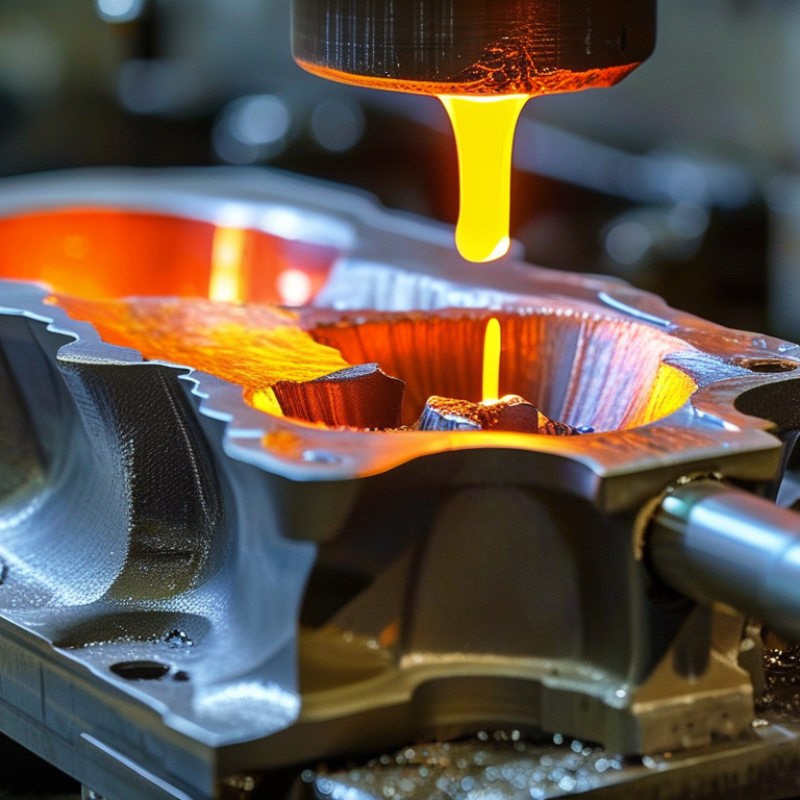
Die casting molds play a crucial role in manufacturing. They are widely used to create complex metal parts. Understanding these molds can help buyers make informed decisions.
Die casting molds are made from durable materials, ensuring longevity. They can produce high volumes of parts with precision. This method offers excellent surface finishes and dimensional accuracy. However, it is essential to note that the initial cost of creating a die casting mold can be high.
When considering a die casting mold, consider the design complexity. More intricate shapes may lead to higher costs. Additionally, testing the mold for quality is vital. A mold that does not meet standards can result in wasted materials.
Tip: Always collaborate with experienced engineers. Their insights can enhance mold design. Also, request samples before full production. This practice can save time and resources. Understanding the importance of these factors can lead to better outcomes in your projects.
Top 10 Benefits of Die Casting Mold for Global Buyers
| Benefit | Description |
| High Precision | Die casting molds offer excellent dimensional accuracy and consistency, resulting in high-quality components. |
| Complex Geometries | They allow for the creation of intricate shapes and designs that are difficult to achieve with other manufacturing processes. |
| Material Efficiency | Die casting minimizes waste material, which is economically beneficial and reduces environmental impact. |
| Rapid Production | The mold process allows for high-speed production, making it suitable for mass manufacturing. |
| Improved Surface Finish | Components produced via die casting typically have a smoother surface finish, reducing the need for post-processing. |
| Cost-Effectiveness | For large volumes, die casting offers a cost-effective solution compared to other production methods. |
| Durability | Die cast products are known for their strength and durability, making them suitable for demanding applications. |
| Versatility | Die casting can be utilized with various materials including aluminum, zinc, and magnesium. |
| Reduction in Assembly Costs | The ability to cast multiple features in one part reduces the amount of assembly required. |
| Global Availability | Die casting molds are widely produced and available, facilitating sourcing for global buyers. |
Cost Efficiency: How Die Casting Molds Reduce Manufacturing Expenses
Die casting molds are a game changer in manufacturing. They provide significant cost advantages for global buyers. Efficient production processes lead to lower labor costs. Automation integration reduces human errors and speeds up manufacturing. This efficiency directly translates to reduced expenses.
The precision of die casting enables manufacturers to produce high-quality parts. This minimizes waste and the need for costly repairs. The initial investment in die casting molds may be higher. However, the long-term savings can be substantial. Producing parts in bulk reduces costs per unit.
Despite the advantages, challenges exist. Not every design is suitable for die casting. Complex shapes may lead to increased costs. Manufacturers must carefully assess design feasibility. This reflects an ongoing need for innovation in the industry. Balancing cost efficiency with design practicality is key for success.
Precision and Accuracy: The Role of Die Casting in High-Quality Parts
Die casting plays a pivotal role in manufacturing high-quality parts. The process ensures precision and accuracy, leading to parts that fit perfectly in their applications. With the die casting method, molten metal is forced into a mold under pressure, creating intricate shapes and complex designs that meet strict specifications. The process minimizes the need for extensive machining, saving time and reducing costs.
Another advantage of die casting is the consistent quality of parts produced. The repeatability of the process ensures that each piece meets the same standards. However, it is also crucial to monitor the temperature and pressure during casting. Variations can lead to defects, reminding manufacturers to stay vigilant. The technology behind die casting has evolved significantly over the years, yet challenges remain, such as minimizing porosity and ensuring uniform wall thickness.
Manufacturers appreciate die casting's ability to create lightweight components without sacrificing strength. This is particularly valuable in industries like automotive and aerospace. The ability to produce components rapidly can enhance production efficiency. Still, it often requires a thoughtful approach to design and material selection. Engaging with experts in the field can help navigate these complex factors.
Material Versatility: A Look at Compatible Materials for Die Casting
Die casting is a popular manufacturing process known for its material versatility. It accommodates various metals and alloys, making it ideal for numerous applications. Common materials used include aluminum, zinc, copper, and magnesium. Each material offers unique properties. Aluminum is lightweight and corrosion-resistant. Zinc has excellent fluidity and is cost-effective. Copper provides high thermal conductivity, ideal for electrical applications. Magnesium, while lightweight, boasts impressive strength.
Tip: When choosing materials, consider the specific requirements of your project. Assess factors like weight, strength, and corrosion resistance. This helps ensure optimal performance.
Precision is key in die casting. The selected material must align with the design specifications to avoid issues. Sometimes, the wrong choice can lead to failures. Always test prototypes thoroughly. Adjustments can save time and resources down the line.
Tip: Regularly review material compatibility. New alloys emerge, which may offer better performance or lower costs. Staying informed keeps your projects ahead.
Durability and Longevity: Benefits of Using Die Casting Mold in Production
Die casting molds offer significant advantages in terms of durability and longevity. These molds are crafted from high-quality materials, ensuring resistance to wear and tear. They can withstand extreme temperatures during the casting process, making them ideal for various applications. Over time, this durability leads to lower replacement costs and higher efficiency in production.
In addition to durability, the longevity of die casting molds is noteworthy. A well-maintained mold can produce thousands of parts before needing replacement. This longevity minimizes disruptions in manufacturing schedules. It's crucial to consider that improper maintenance can shorten the lifespan significantly. Regular inspections are essential to ensure optimal performance and identify potential issues early.
Choosing die casting molds can be a wise investment for businesses. Quality molds not only produce precise parts but also contribute to reduced waste. However, the initial cost may be higher compared to other methods. Balancing upfront costs against long-term savings is vital. The decision requires careful thought and consideration of production needs.



