Blog

What Is the Best Type of Water Meter for Sale?

Choosing among water meters for sale is not simply a price comparison. The right meter must match pipe size, flow patterns, water quality, installation space, and reading requirements. A small apartment may need a compact positive-displacement meter. A factory may require an electromagnetic or ultrasonic model for larger, changing flows. The best choice depends on evidence, not attractive specifications.

Dr. Steven Buchberger, a respected researcher in urban water metering, has stated, “Accurate metering is the foundation of effective water management.” That principle remains practical today. In real installations, a meter can look excellent on paper yet perform poorly when sediment blocks its strainer or low nighttime flow falls below its measuring range. Details matter.

Experience also changes the buying decision. Installers should check connection standards, pressure loss, pulse output, battery life, and data compatibility before ordering. Utilities may prefer smart meters because they reveal leaks through unusual consumption patterns. Smaller property owners might value a reliable mechanical meter with simple maintenance. Neither option is automatically superior.

There is no universal winner.

This article examines the main meter types, including mechanical, ultrasonic, electromagnetic, and smart models. It compares accuracy, durability, installation demands, maintenance, and total ownership cost. Some recommendations may remain imperfect because every site behaves differently. That uncertainty deserves attention. A careful buyer should review recent flow data, ask for calibration information, and confirm after-sales support. The cheapest meter may become expensive when incorrect readings, repeated servicing, or difficult data access affect daily operations.
What Is the Best Type of Water Meter for Sale?

Key Factors in Choosing the Best Water Meter for Sale

What Is the Best Type of Water Meter for Sale?

Choosing the best water meter for sale starts with the application, not the product label. A residential property may suit a positive displacement meter, especially where flows are steady and installation space is limited. Commercial sites often need ultrasonic or electromagnetic meters. These options can handle wider flow ranges and support remote data collection. Accuracy at low flow matters greatly. The U.S. EPA WaterSense program reports that household leaks can waste nearly 10,000 gallons annually. A meter that misses small flows may hide expensive losses.

Water quality is another decisive factor. Sediment, air bubbles, temperature changes, and chemical content can affect measurement performance. Check the meter’s approved flow range, pressure rating, connection size, and environmental protection level. The WHO and UNICEF Joint Monitoring Programme reported that 2.2 billion people lacked safely managed drinking water in 2022. That figure reinforces the need for dependable measurement, especially where maintenance resources are limited. Certification under recognized metrology standards also improves purchasing confidence.

Total ownership cost deserves careful attention. A low purchase price may become expensive when batteries, calibration, filters, or replacement parts are considered. Mechanical meters can be familiar and affordable, but moving parts may wear faster. Ultrasonic meters usually require less maintenance, although their electronics can be less forgiving. Field reality is rarely perfect. Installation errors still happen. Compare expected service life, warranty terms, communication options, and local technical support before choosing a meter for sale.

Types of Water Meters and How They Work

What Is the Best Type of Water Meter for Sale?

Types of Water Meters and How They Work

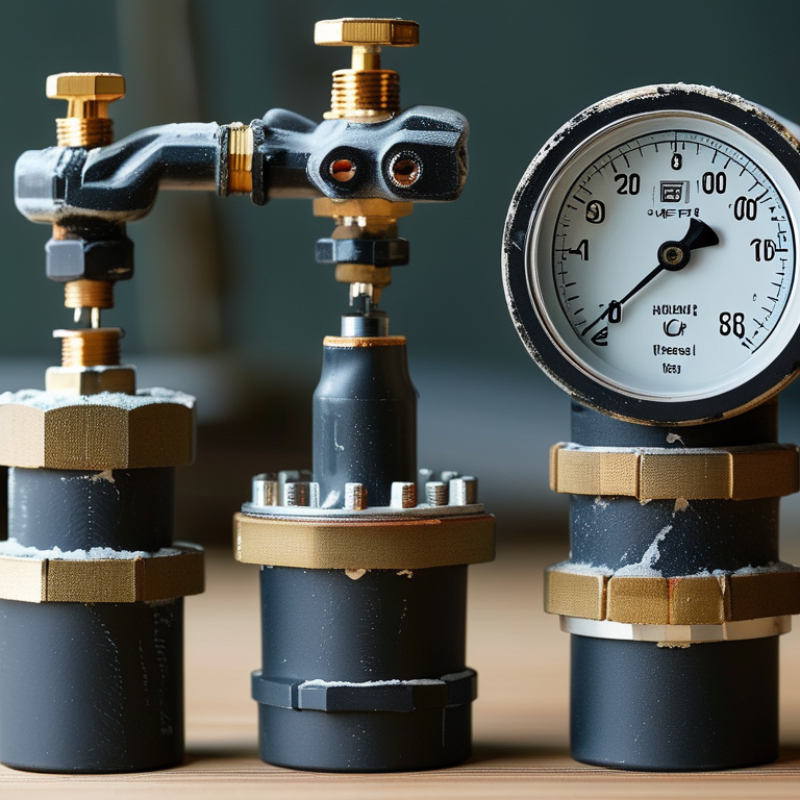
The best water meter depends on flow range, pipe size, water quality, and installation conditions. No single design fits every property. A positive displacement meter measures water by filling and emptying a small chamber. Each chamber cycle represents a known volume. This design performs well at low household flow, such as a slowly running tap.

Velocity meters measure how quickly water moves through the pipe. Turbine meters use flowing water to spin an internal rotor. They suit steady flow but may lose accuracy when grit blocks the rotor. Multi-jet meters use several water streams, which can improve balance and reliability. They still need clean water and proper installation.

Ultrasonic meters calculate flow from sound signals traveling through the water. They have no moving parts, so maintenance can be lower. Electromagnetic meters measure voltage created when conductive water passes through a magnetic field. They work well in larger pipes, but they require power and correct grounding. The choice matters.

During a practical inspection, installers should check straight pipe length, pressure, temperature, and available space. A meter that works accurately in a test room may perform poorly beside a pump or sharp elbow. Look for verified accuracy, a suitable flow range, tamper-resistant construction, and clear calibration records. I would not select a meter by price alone. Low cost can hide frequent cleaning or difficult readings. Even experienced buyers sometimes overlook future maintenance. That mistake deserves reflection before the purchase.

Comparing Accuracy, Durability, and Installation Requirements

Choosing the best water meter for sale depends on accuracy, durability, and installation conditions. Positive displacement meters perform well at low residential flows. They can detect slow leaks near a closed tap. Multi-jet meters tolerate changing demand and are often practical for apartments or small commercial sites. Ultrasonic meters have no moving parts, reducing mechanical wear. However, they need clean installation and stable electronics.

The American Water Works Association’s M6 manual explains that accuracy depends heavily on the meter’s flow range, wear, and installation. A meter may be accurate in laboratory testing but under-register at very low flow. That weakness matters. The U.S. Environmental Protection Agency reports that household leaks waste more than one trillion gallons of water annually nationwide. Better low-flow sensitivity can expose some of those losses, although no meter replaces a physical inspection.

Durability also depends on water quality. Sand, scale, and sudden pressure changes can shorten mechanical meter life. Ultrasonic models resist wear, but their purchase price and technical setup are usually higher. Installation requirements deserve equal attention: straight pipe runs, correct orientation, isolation valves, and protection from freezing are essential. AWWA guidance recommends following the manufacturer’s flow and installation limits rather than relying on appearance alone. I would avoid promising perfect accuracy. Real buildings rarely have perfect pipes, perfect pressure, or perfectly stable demand. EPA WaterSense metering guidance also links regular measurement with improved leak management, but savings vary by site and maintenance practice.

What Is the Best Type of Water Meter for Sale?

Comparing accuracy, durability, and installation requirements

The chart uses a manufacturer-neutral performance index from 1 to 10, where 10 represents lower measurement error, stronger long-term resistance to operating conditions, or easier installation. Ultrasonic and electromagnetic meters generally provide the highest measurement performance, while multijet meters are often easier to install in conventional residential applications.

Typical accuracy ranges vary by meter class and operating conditions: mechanical meters commonly achieve approximately ±1.5% to ±2%, while ultrasonic and electromagnetic meters can commonly achieve approximately ±0.5% to ±1%. Actual service life and performance depend on water quality, flow conditions, sizing, maintenance, and installation quality.

Selecting a Meter for Residential, Commercial, or Industrial Use

What Is the Best Type of Water Meter for Sale?

Selecting a Meter for Residential, Commercial, or Industrial Use

The best water meter depends on flow range, pipe size, water quality, and measurement demands. Start with demand. A residential property often benefits from a positive displacement meter. Its internal chamber measures low and changing flows accurately. This design can detect steady toilet leaks and slow household consumption. Check the meter’s approved accuracy rating before purchasing. A low price may hide weak low-flow performance.

Commercial buildings usually need meters that handle wider flow variations. Multi-unit housing, offices, and restaurants may use turbine or velocity meters. These meters work well when flow remains moderate and the pipe layout is stable. However, poor installation can create inaccurate readings. Keep the required straight pipe distance, and prevent nearby valves from disturbing flow. Installation changes everything. I have seen a correctly sized meter perform poorly because the pipe was poorly aligned.

Industrial sites require a more careful assessment. Ultrasonic meters suit many large pipes and can reduce pressure loss. Electromagnetic meters may work well with conductive water and demanding process conditions. They need compatible pipe materials and dependable electrical connections. Dirty water, air bubbles, vibration, and extreme temperatures can affect performance. A meter should match the actual operating environment, not just the catalog specification. Verify local certification, calibration records, maintenance access, and data output requirements. Even experienced buyers sometimes choose a larger meter for safety, but oversizing can reduce low-flow accuracy.

Checking Smart Features, Costs, and Long-Term Maintenance

What Is the Best Type of Water Meter for Sale?

Choosing a water meter requires more than comparing display sizes. Mechanical meters remain affordable and dependable for basic household monitoring. Ultrasonic meters offer greater accuracy, especially when flow changes frequently. Smart meters add remote readings, leak alerts, and daily usage records. These features can expose a toilet leak before the floor becomes damp. However, a wireless connection may fail in basements or areas with thick concrete walls. Test the signal where the meter will actually operate.

Cost includes more than the purchase price. Installation may require new fittings, shutoff access, or electrical work. A battery-powered model usually avoids wiring, but its battery needs replacement after several years. Ask for verified accuracy data and suitable pipe-size information. A cheap meter can become expensive when readings drift or adapters fail. That lesson is easy to miss.

Maintenance should fit the property and staff skills. Mechanical units may need filter cleaning and periodic inspection for worn moving parts. Ultrasonic units have fewer internal moving components, but their sensors still need clean contact and stable installation. Smart models require software updates, secure access, and occasional communication checks. Keep readable records of readings, repairs, and calibration dates. I once focused too heavily on smart alerts and overlooked service access. The meter worked well, but checking it was awkward. A practical choice balances useful data, realistic costs, and long-term service effort.

FrenchBulgaria