What is a Body Composition Analyzer and How Does It Work?
In recent years, the importance of understanding body composition has gained significant attention. A Body Composition Analyzer is a tool that measures different components of body mass, such as fat, muscle, and water. The global body composition analyzers market is expected to reach approximately $800 million by 2025, signifying growing interest in personalized health metrics.
This analytical tool uses bioelectrical impedance analysis (BIA) to provide insights into an individual's health status. According to industry reports, more than 60% of adults are now aware of body composition’s role in overall wellness. Yet, many remain uninformed about the nuances of healthy body fat levels or muscle mass. This lack of understanding raises questions about the reliability of self-assessment methods compared to professional evaluations. Despite the advancements in body composition technology, users often misinterpret the data presented by these devices.
It's important to recognize that while Body Composition Analyzers can offer valuable data, they are not foolproof. Mistakes in interpretation can occur, leading to misconceptions about health. Engaging with these tools should stimulate reflection and deeper inquiry into one's health, rather than reliance solely on the readings they provide. Understanding these complexities helps users make informed lifestyle choices.
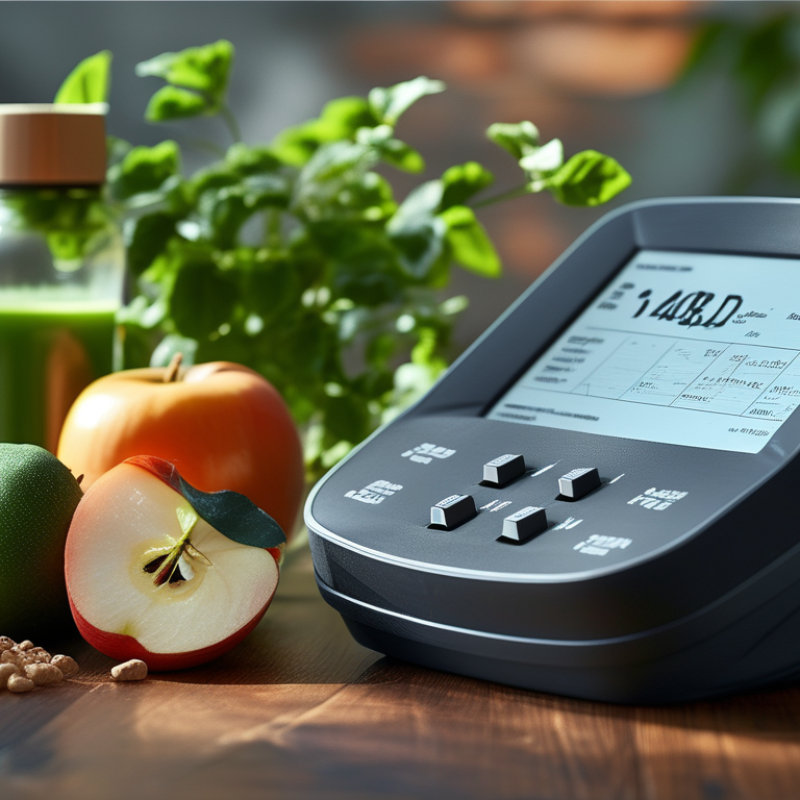
What is a Body Composition Analyzer?
A body composition analyzer is a device that measures different components of your body. These components typically include fat, muscle mass, water, and bone density. This information helps you understand your overall health better. Instead of focusing solely on weight, a body composition analyzer provides a complete picture of your physical condition.
Using bioelectrical impedance analysis (BIA), the device sends a small electrical current through the body. The resistance the current encounters helps determine the proportion of muscle to fat. Accurate results depend on many factors. Hydration levels, recent meals, and even exercise can affect the readings. This complexity shows that while the device can give us insight, it may not always tell the full story.
Many people rely on these devices for health changes. However, results can be confusing. For instance, gaining muscle may lead to a higher weight but improved overall health. Users should consider additional measurements, like waist circumference and lifestyle habits. Body composition analysis can be a valuable tool, but it works best when used alongside other health information.
What is a Body Composition Analyzer and How Does It Work?
| Measurement Type | Description | Typical Range | Health Implications |
| Body Fat Percentage | The proportion of fat in the body compared to total body weight. | 10% - 30% | High body fat can lead to health issues like heart disease. |
| Muscle Mass | The total weight of muscle in the body, indicating physical fitness. | 30% - 50% | Higher muscle mass can improve metabolic rate. |
| Bone Density | A measure of the strength of bones, representing bone mass. | Normal range varies by age and gender | Low bone density may increase fracture risk. |
| Water Weight | The amount of water weight in the body, related to hydration levels. | 50% - 65% | Inadequate hydration can affect overall health. |
| Visceral Fat | Fat that surrounds internal organs, considered more harmful than subcutaneous fat. | 1 - 12 | High levels can increase risk for metabolic diseases. |
Key Components of a Body Composition Analyzer
A body composition analyzer provides insights into an individual’s body metrics. It typically measures components like fat mass, muscle mass, water percentage, and bone density. These metrics are crucial for assessing overall health and fitness levels.
One key component of a body composition analyzer is bioelectrical impedance analysis (BIA). This technique sends a low-level electrical current through the body. The resistance encountered helps estimate fat and lean mass. Studies show that BIA can be reasonably accurate, with a margin of error of about 3-5%. However, hydration levels can significantly affect results, making consistent testing conditions vital.
Image
Another essential aspect is dual-energy X-ray absorptiometry (DEXA). This method, though more expensive, offers precise measurements of bone density and fat distribution. DEXA scans are often used in clinical settings for advanced body composition analysis. Research indicates that DEXA results can vary depending on the population being assessed, leading to potential misinterpretations in less diverse groups. Variability in results serves as a reminder that multiple methods should be considered for comprehensive evaluations.
Understanding these components can enhance personal health strategies, yet it is crucial to approach data critically. Factors like individual biology and equipment calibration must not be overlooked.
How Body Composition Analyzers Measure Body Fat and Muscle Mass
Body composition analyzers offer a fascinating look at our health. These devices assess body fat and muscle mass using bioelectrical impedance analysis (BIA). When you stand on the analyzer, it sends a low electrical current through your body. This current travels differently through fat and muscle, allowing the device to estimate your body composition.
Understanding the readings can be tricky. Fat tissue resists electrical flow, while muscle allows it to pass more easily. This difference is what the analyzer measures. While these devices provide useful insights, results can sometimes vary based on hydration levels or recent meals.
Tips: To improve accuracy, measure yourself at the same time each day. Stay hydrated but avoid eating for a few hours before testing. Keep track of your measurements over time to see trends, rather than focusing on daily fluctuations. Small errors in your readings are common, so it’s best to use other tools alongside the analyzer.
Understanding Different Types of Body Composition Analyzers
Body composition analyzers are essential tools for assessing overall health. Various types exist, each utilizing different technologies to provide insights into body fat percentage, muscle mass, and hydration levels. The two most common types are bioelectrical impedance analysis (BIA) and dual-energy X-ray absorptiometry (DEXA).
BIA devices work by sending a low-level electrical current through the body. As the current travels, it measures resistance. Most home-use models are portable and user-friendly, but they can be less accurate compared to medical-grade devices. According to a study published in the Journal of Clinical Nutrition, BIA can have an accuracy range of 3-5% for body fat measurements, which can lead to misleading assessments if not used correctly.
On the other hand, DEXA is considered the gold standard. It provides an in-depth analysis of body composition, including fat distribution and bone density. Research indicates that DEXA offers about 1-2% accuracy in body fat measurement. However, DEXA scans are typically more expensive and require specialized facilities. Individuals often face challenges with access and cost, highlighting the need to evaluate their options carefully.
While both analyzers provide valuable data, users must understand their limitations. Factors such as hydration status and device calibration can affect accuracy. Therefore, continual engagement with professionals can enhance the understanding of body composition and its implications for health.
Benefits of Using a Body Composition Analyzer for Health Assessment
A body composition analyzer is an essential tool for assessing health. It provides detailed insights into body fat, muscle mass, and water composition. Understanding these metrics can help individuals tailor their fitness goals. By tracking changes over time, users can see the effectiveness of their workout routines and dietary habits.
One significant benefit of using a body composition analyzer is improved health management. By focusing on body fat percentage rather than weight alone, individuals gain a clearer picture of their overall health. This focus can motivate users to prioritize strength training or dietary adjustments. The technology highlights areas for improvement and assists in setting realistic goals.
Tips: Take measurements regularly to monitor progress. Small changes in diet and exercise can lead to significant results over time. It’s important to remember that not all fluctuations indicate failure. Reflect on lifestyle habits and adjust accordingly for long-term success.



