NOTICE
We use cookies to improve the user experience and analyze its performance.
Choosing the best temperature data logger for your needs can be challenging. With so many options available, it’s crucial to understand your specific requirements. Temperature data loggers are devices that monitor and record temperature over time. They are used in various industries and applications, from food storage to pharmaceuticals.
When selecting a temperature data logger, consider the features that matter most to you. Think about the range of temperatures you need to monitor. Do you need a device with high precision? Look for loggers that are accurate and reliable. Battery life is another essential factor. A longer battery life means less frequent replacements. Also, consider the ease of use. Some devices come with user-friendly interfaces, while others may be complex.
It’s also important to reflect on your future needs. Will you need more data storage or connectivity options? Remember that not all data loggers are created equal. Each model has its strengths and weaknesses. Investing time in research can save you from making a poor choice. A good temperature data logger should suit your specific situation and improve your monitoring processes.
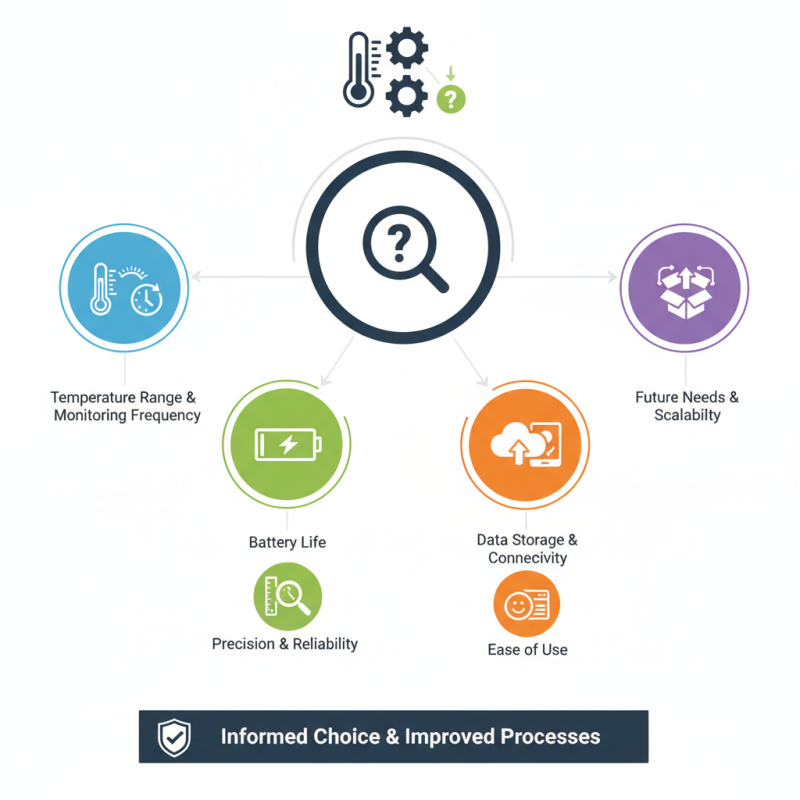
Temperature data loggers are essential tools for monitoring environmental conditions. They capture temperature variations over time, making them invaluable in many industries. Understanding their basic functions empowers users to select the right device for specific needs.
These loggers typically consist of a sensor, memory, and battery. A study by the International Society of Automation indicates that precision is key. Models can vary in accuracy by as much as ±0.5 degrees Celsius. This disparity can drastically affect results in sensitive applications like pharmaceuticals. Different environments, such as warehouses and laboratories, require customized loggers. The choice depends on temperature ranges and sturdiness.
Connectivity features are also important. Many loggers now offer Bluetooth or Wi-Fi capabilities. These features enhance data accessibility but can cut battery life. According to a recent report from Research and Markets, the need for real-time monitoring is driving innovation. Users should consider whether they need immediate access to data or can work with delayed downloads. Balancing these factors ensures the logger chosen truly fits the requirements.
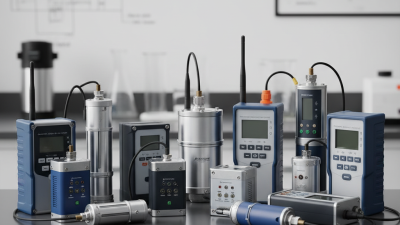
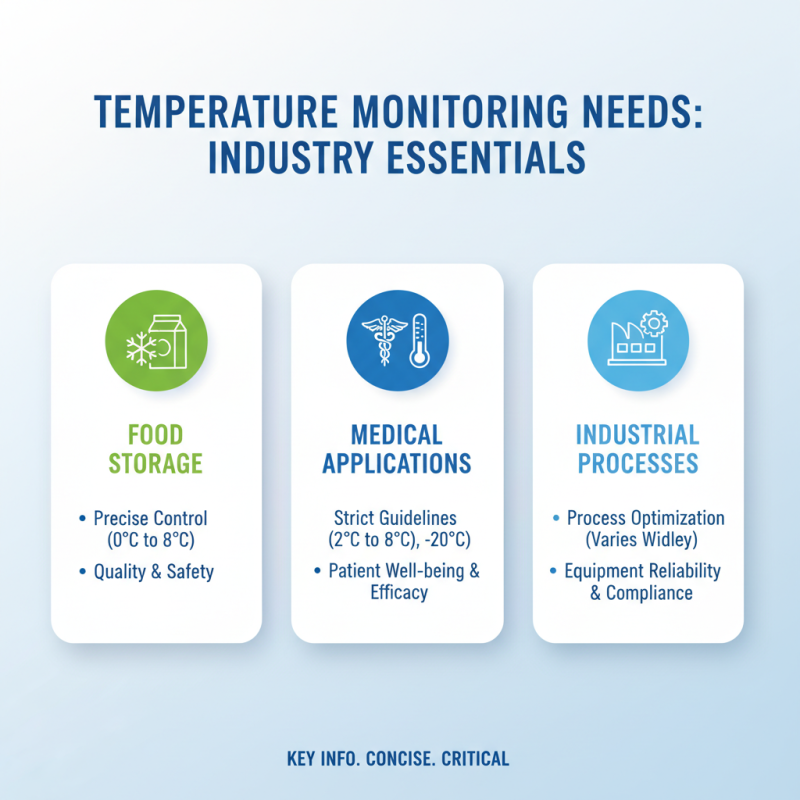
Identifying your specific temperature monitoring needs is critical. Different industries have varying requirements. For instance, food storage demands precise temperature control. It is vital for maintaining quality and safety. Alternatively, medical applications often require strict adherence to temperature guidelines. A slight deviation can lead to serious consequences.
Consider your monitoring environment. Indoor settings are often stable, but outdoor conditions can fluctuate. This variability might require more robust data loggers. Think about how often you need to record data. Frequent monitoring ensures accuracy, but it might be overkill in some situations. Longer intervals could suffice for stable environments.
Reflect on the ease of use. A complex tool might deter regular monitoring. Simplicity is essential for effective data collection. Check battery life, compatibility, and data access methods. Are the logs easy to download? Clarity in the user interface can save time and effort. Remember, choosing the right device is not always straightforward. It requires careful consideration and sometimes trial and error.
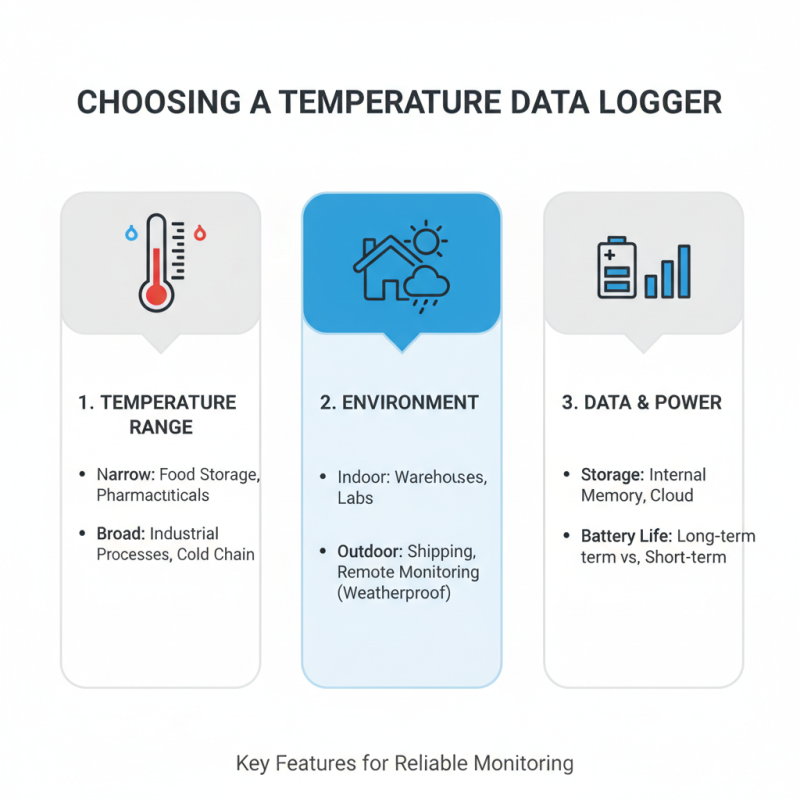
When choosing a temperature data logger, key features matter greatly. Start by considering the temperature range. Different applications require different ranges. For food storage, a narrow temperature range may suffice. However, for industrial processes, a broader range is essential. Think about where you will use it. Indoor and outdoor conditions can vary dramatically.
Accuracy is another crucial factor. A slight deviation can lead to significant issues in sensitive environments. Check the specifications carefully. Some loggers claim impressive precision but fail to deliver in real-life scenarios. Durability and battery life can also impact your choice. A logger with a short battery life may require frequent maintenance. You might miss critical data during downtime.
Finally, communication capabilities shouldn't be overlooked. Does the logger sync via Wi-Fi or Bluetooth? Consider how this impacts data accessibility. If you rely on real-time data, a robust connection is vital. Sometimes, vendors promote devices with flashy features that may not match your needs. Reflect on your specific requirements before making a choice.
When selecting a temperature data logger, it's essential to understand the various types available. There are basic models that are simple and user-friendly. These often have limited features but are perfect for short-term monitoring. They typically record temperature at set intervals. Users might overlook their ease of use due to the lack of advanced features.
On the other hand, there are advanced data loggers with multiple channels. These allow simultaneous monitoring of various locations. They can connect to smartphones or computers. However, these complex systems may not be necessary for everyone. Sometimes, they can overwhelm new users with their many settings. A balance is necessary to avoid confusion.
Consider your specific needs before making a decision. Do you need real-time alerts? Or will you only review data after the recording period? Think about the environment where it will be used. Some loggers are built for extreme conditions. Others may not perform well in fluctuating temperatures. Reflect on these factors carefully to find the right fit.
When choosing a temperature data logger, budget and manufacturer reliability are crucial. Balancing cost and quality can be tricky. A lower priced device might save you money, but it may lack essential features. High-priced options often promise durability and advanced functions. Consider what features you genuinely need. Avoid overspending.
**Tips:** Check customer reviews. Feedback provides insights into a manufacturer's reliability. Look for long-term user experiences. They can highlight potential issues or performance strengths. Remember, even reputable brands can have occasional flaws.
Quality assurance is vital. Some manufacturers offer warranties that indicate confidence in their product's longevity. Analyze the terms carefully before you buy. If a company offers a strong warranty, it might suggest higher reliability. Be wary of brands that provide limited support.