How to Choose the Best Temperature Monitoring Solutions?
Choosing the best temperature monitoring solutions is crucial for many industries. Accurate temperature tracking is essential for preserving product quality, ensuring safety, and maintaining compliance with regulations. Numerous options exist, making the selection process challenging.
A reliable temperature monitoring system should meet specific needs. Consider factors such as the scale of the operation and required accuracy. Advanced systems provide real-time data. This feature allows for quick adjustments, reducing risks. However, investing in high-quality solutions can be costly. Research the company's reputation and customer feedback.
In an age of rapid technological change, it is essential to stay informed. Many options come with innovative features. Yet, not every solution fits every situation. Analyzing your unique requirements is key. Regularly reassess your chosen system. This practice helps ensure continued effectiveness and reliability in temperature monitoring.
Understanding Temperature Monitoring Solutions: Key Concepts
When diving into temperature monitoring solutions, understanding key concepts is crucial. Temperature affects many industries, such as food safety and pharmaceuticals. A slight deviation from the ideal range can compromise quality. Monitoring solutions help maintain appropriate temperature levels, ensuring product integrity.
Several types of temperature monitoring systems exist. Some are manual, requiring regular checks. Others are automated, offering real-time data. Automated systems often use sensors positioned in critical areas, relaying information to a central dashboard. This can reduce human error. However, they can be expensive and require maintenance. Finding the right balance between cost and reliability is imperative.
Moreover, consider the environment where these solutions will operate. Temperature fluctuations may vary based on location and season. What works in one region may not suit another. Assessing specific needs ensures you select the appropriate technology. Remember that technology evolves, and staying informed is vital. As solutions improve, it’s worth questioning past choices and adapting to meet modern demands.
Identifying Your Temperature Monitoring Needs and Requirements
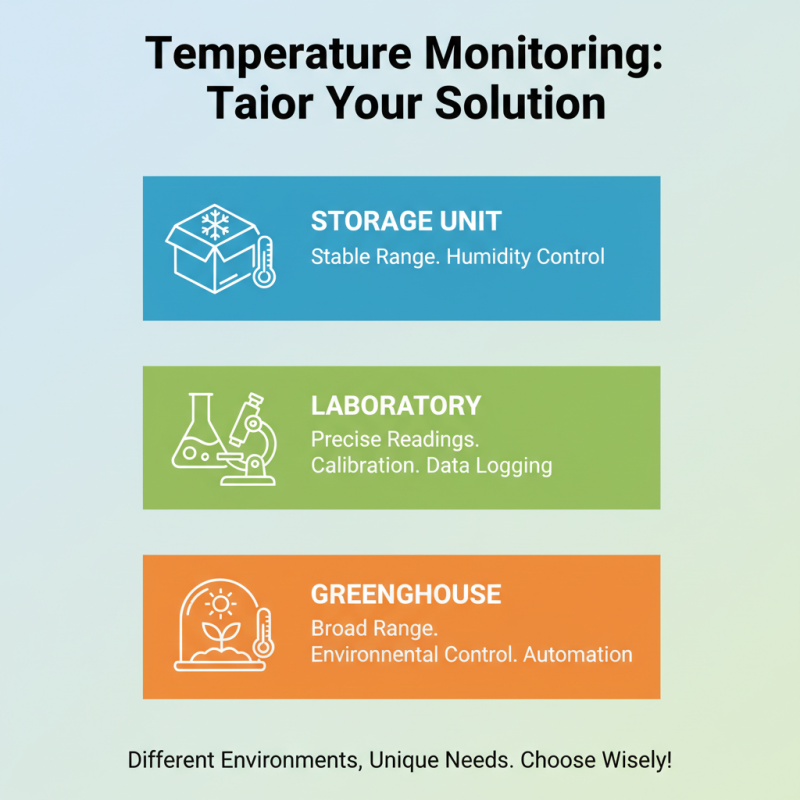
Identifying your temperature monitoring needs is crucial. Different environments require unique solutions. Are you monitoring a storage unit, laboratory, or a greenhouse? Each has distinct characteristics. For example, a laboratory may need precise readings. In contrast, a greenhouse might prioritize a broader range of temperature control.
Consider your specific requirements. Think about how often you need real-time data. Do you need alerts for temperature fluctuations? Integration with existing systems could simplify operations. Take time to assess the scale of your monitoring needs. A small facility may only need basic solutions, while larger operations may demand advanced technology.
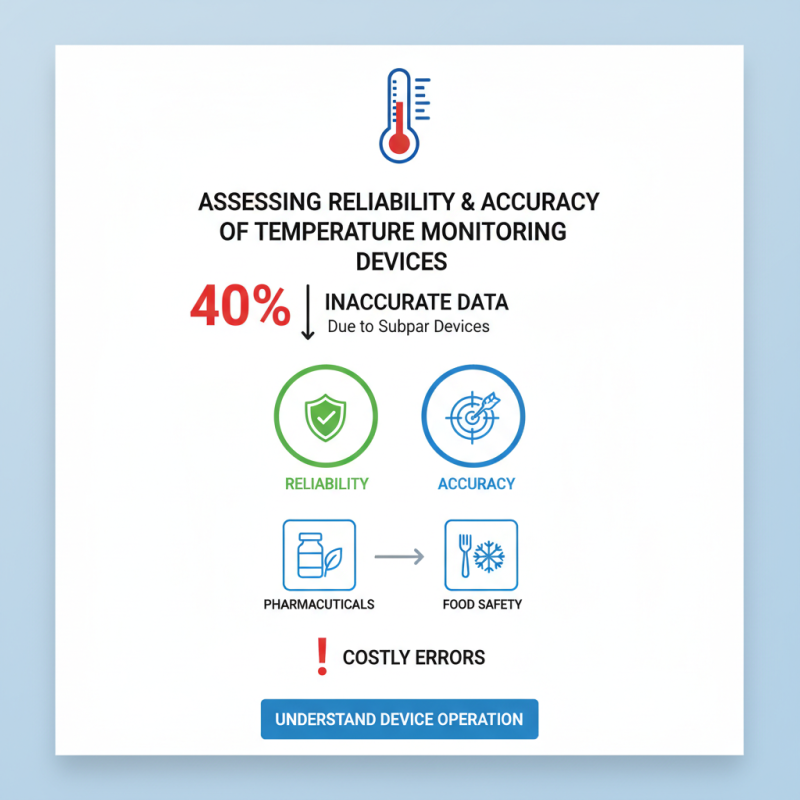
It's essential to evaluate the reliability of your chosen solution. Look for features that provide accurate results consistently. However, perfection is hard to achieve. Sometimes, even the best systems can fail or deliver incorrect readings. Regular maintenance and calibration are necessary. Reflecting on past experiences can guide your decision-making process. Familiarize yourself with potential shortcomings. Use these insights to choose wisely.
Evaluating Different Types of Temperature Monitoring Technologies
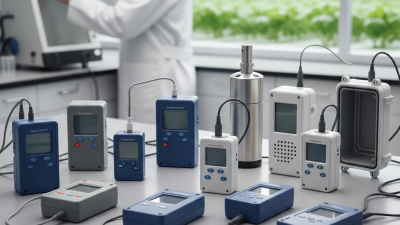
Temperature monitoring is crucial in various industries. Different technologies exist, each with unique pros and cons. Finding the right fit requires understanding these options.
Thermal sensors are classic tools. They are reliable for consistent measurements. Thermocouples and RTDs offer precision in industrial settings. However, installation can sometimes be complex. Users must ensure proper calibration, which can be a tedious task.
Wireless monitoring solutions have gained popularity. They provide convenience and real-time data access. Yet, they may face connectivity issues. This might lead to data gaps. Ultimately, evaluating the environment and the specific needs will guide effective selection of temperature monitoring technology.
How to Choose the Best Temperature Monitoring Solutions?
| Technology Type |
Accuracy |
Response Time |
Temperature Range |
Typical Applications |
| Thermocouples |
±1°C |
Fast (<1 sec) |
-200 to 1350°C |
Industrial, HVAC |
| Infrared Sensors |
±0.5°C |
Instantaneous |
-50 to 1000°C |
Food Safety, Medical |
| Resistance Temperature Detectors (RTDs) |
±0.1°C |
Moderate (1-5 sec) |
-200 to 850°C |
Chemical Processing, Laboratory |
| Digital Thermometers |
±0.2°C |
Quick (5-10 sec) |
-50 to 500°C |
Home, Food Service |
| Wireless Temperature Loggers |
±0.5°C |
Moderate (1-2 min) |
-40 to 125°C |
Data Centers, Warehousing |
Factors to Consider When Choosing a Temperature Monitoring System
Choosing an effective temperature monitoring system is crucial for various industries. There are several factors to consider. One important element is the environment. Different settings, like laboratories or warehouses, demand different specifications. Take a moment to evaluate your unique requirements.
Another factor includes the sensor type. Different sensors provide various degrees of accuracy. For instance, thermocouples are excellent for high temperatures, while RTDs work better in precise applications. Evaluate what best suits your needs to avoid mistakes.
Tips: Assessing the range of temperatures your system needs to monitor can prevent future issues. If your range fluctuates, you may need a versatile solution. Additionally, consider ease of use. Complicated systems can be frustrating and lead to errors.
Reliability cannot be overlooked. Look for systems with proven track records. Research user reviews or gather insights from trusted sources. Incomplete information can lead to poor decisions. Always analyze the longevity and support offered by the manufacturers.