How to Choose the Best Roll Coating Machine
Choosing a Roll Coating Machine is a production decision, not a catalog exercise. The right system must match the substrate, coating chemistry, line speed, and required film thickness. A few microns can matter. So can the tension on a moving web, the gap between rollers, and the way a machine handles a changeover. Buyers should compare those details against real production needs, rather than relying on headline speed alone.
Industry reports can help frame the investment. Smithers’ The Future of Global Packaging to 2028 examines market trends in packaging, one important end-use area for coated materials. Its market-level perspective is useful, but it cannot determine which machine fits a particular factory. That requires process trials, documented specifications, and clear acceptance criteria. Ask suppliers how they measure coating uniformity, manage waste during setup, and support maintenance. Request results using your own material where possible. A polished sample is not the whole story.
A machine’s performance shows up on the shop floor. Look for stable coating across the web, repeatable settings, accessible rollers, and practical cleaning procedures. Small details count. No verified source article was provided here, so I cannot responsibly name a Roll Coating Machine expert or present a quotation as authentic. That matters: an invented endorsement would weaken the credibility of a buying guide. The strongest choice is the one supported by traceable data, transparent trials, and a process your operators can reproduce.
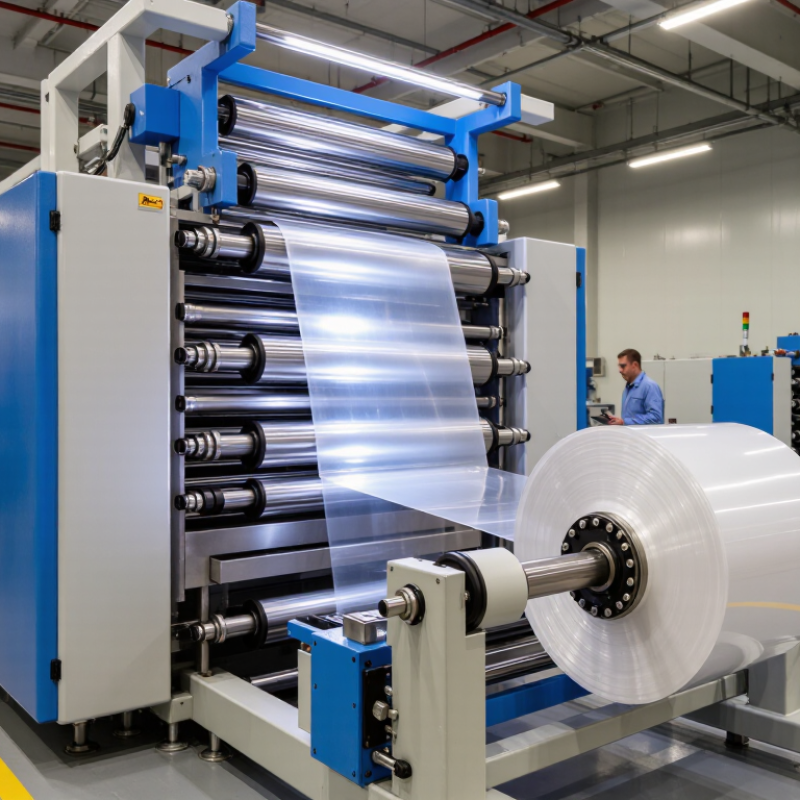
Define Your Coating Goals and Production Requirements
Before choosing a roll coating machine, define what the coating must do. Is it meant to protect a surface, improve adhesion, or deliver a uniform finish? Name the substrate, coating material, target thickness, and acceptable variation. “High quality” is too vague to guide equipment selection. Set measurable limits instead, such as coating weight per square metre or permitted thickness variation.
Then describe the real production conditions. Record the web or panel width, operating speed, shift length, and expected changeovers. Note whether materials arrive as rolls or flat sheets, and whether their surfaces absorb liquid or vary between batches. Small details matter. A slightly warped panel or a coating that thickens during a shift can affect application. It is tempting to plan around maximum speed alone. That can be a costly assumption if drying or inspection becomes the bottleneck.
Consider how operators will control and verify the process. Identify the adjustments they need, such as roller pressure, gap, or feed rate, and decide how often coating quality will be checked. Ask for a trial using your actual substrate and coating, not just a demonstration material. Compare the finished sample with your stated limits. Be prepared to revise them; early targets are sometimes guesses, and that is worth admitting before equipment is specified.
Compare Roll Coating Methods and Machine Configurations
How to Choose the Best Roll Coating Machine
Compare coating methods against your material and target finish. Direct roll coating transfers liquid from an applicator roll to the moving web. It suits many steady, high-volume processes. Reverse roll coating uses rolls moving at different speeds, helping control thin, even films. Gravure coating meters liquid through engraved cells, which can support precise, repeatable application. Each method has limits. Thick coatings, delicate films, and fast line speeds may require different setups.
Machine configuration matters just as much. A two-roll system is relatively simple, while three-roll arrangements offer more control over film transfer. Check roll diameter, hardness, adjustment range, and cleaning access. For example, a narrow adjustment range can make small coat-weight changes frustrating. Also consider web tension, drying capacity, and available floor space. A machine that performs well in a short trial may behave differently over a full production shift. There is no universal best choice; test with your actual liquid and substrate when possible.
Tips: Record viscosity, line speed, roll settings, and coat weight during trials. Inspect the web under consistent lighting for streaks, pinholes, and edge buildup. Ask operators to review setup and cleanup time, too. Small details matter. Lab results can mislead.
Match Machine Specifications to Materials and Coating Parameters
How to Choose the Best Roll Coating Machine
Match Machine Specifications to Materials and Coating Parameters
Start with the liquid and substrate, not the machine’s advertised speed. Record viscosity, solids content, temperature, and whether the coating contains abrasive particles. Then check substrate width, thickness, flexibility, and surface texture. A soft film may wrinkle under excessive tension; a rigid panel needs consistent roll contact. Choose a roll configuration and surface finish that can deliver the required wet-film thickness without damaging the material.
Set the operating window around coating weight, line speed, roll pressure, and drying capacity. These variables interact: raising speed can reduce coating transfer or leave too little time for drying. Grand View Research estimated the global paints and coatings market at USD 206.56 billion in 2023, reflecting a wide range of applications and formulations. That figure is not a machine-sizing rule, but it underscores why one specification rarely suits every coating. There is no perfect setup. Pilot trials may expose limits that a datasheet does not.
Tips: Ask suppliers to test your actual coating and substrate. Measure film thickness across the web, inspect edges, and record defects at several speeds. Keep the results. They may reveal that a seemingly minor viscosity change shifts the usable process window. Recheck settings when batches or ambient temperatures change. Small details matter.
Assess Automation, Line Integration, and Quality Control Features
How to Choose the Best Roll Coating Machine
Assess automation by the work it must perform, not by the size of its control screen. Look for stable web tension, repeatable gap settings, and recipe storage for different coating weights. For frequent changeovers, guided setup and clear alarms can reduce operator guesswork. Useful, but not magic.
The International Federation of Robotics reported 541,302 industrial robot installations worldwide in 2023 in World Robotics 2024. This figure reflects broad industrial adoption, not a guaranteed benefit for coating lines. Consider whether automated loading, roll changes, or inspection actually addresses your bottleneck. A machine can be highly automated and still slow down when a coating mix or substrate changes.
Line integration deserves equal attention. Confirm that the coater can exchange speed, temperature, and fault signals with upstream and downstream equipment. For quality control, ask about inline coat-weight or thickness measurement, camera inspection, and time-stamped process records. Deloitte and MAPI’s 2024 Smart Manufacturing Survey found that 86% of manufacturers saw smart manufacturing as a competitiveness driver over the next five years. That supports connected production, but sensors alone do not ensure reliable coating. Check how readings are calibrated, stored, and acted upon. A polished dashboard may miss edge buildup or a brief tension fluctuation; inspect real production samples before choosing.
Evaluate Safety, Maintenance, Supplier Support, and Total Cost
How to Choose the Best Roll Coating Machine
Evaluate the guarding, interlocks, and emergency stops before comparing coating speed. Check whether operators can safely thread material and clear jams without reaching near moving rollers. The U.S. Bureau of Labor Statistics reported 3.3 recordable injury and illness cases per 100 full-time workers in manufacturing in 2023. That figure is not specific to coating machines, but it makes practical safeguards worth close inspection. Ask to see the machine’s maintenance schedule, changeover steps, and access points. Can a technician replace a worn roller without dismantling half the line? Small details matter.
Maintenance affects more than service visits. Deloitte estimated that unplanned downtime costs industrial manufacturers about $50 billion annually. That industry-wide estimate is not a forecast for one coating line, but it highlights the cost of hard-to-source parts and slow support. Ask suppliers about response times, spare-parts availability, operator training, and remote troubleshooting. Get these commitments in writing. Compare total cost across the machine’s expected service life, including installation, tooling, energy, cleaning, labor, and downtime—not just purchase price. A spreadsheet can still miss a difficult cleanup or a delayed part. I would test the proposed coating process on representative material, then review the results with operators and maintenance staff. One test may not reveal every problem.



