
NOTICE
We use cookies to improve the user experience and analyze its performance.
Choosing a Plastic Extruder is a production decision, not a catalogue exercise. The right machine must suit your resin, product dimensions, output needs, and operating conditions. A line that runs well with one polymer may struggle with another. That difference can show up as uneven wall thickness, unstable output, or excess scrap.
Dr. Chris Rauwendaal is a recognized author and educator in polymer processing. A practical takeaway from his work is: “Match the extrusion system to the material and product—not just the headline output rate.” Treat this as a guiding principle, not a verbatim quotation. Start by defining what the line must produce, then compare screw design, diameter, length-to-diameter ratio, drive power, and temperature-control zones. Look closely at the feed throat, die, downstream equipment, and available floor space, too. They all affect the result.
The details matter. A sample run should show whether your chosen resin feeds steadily and whether the finished profile holds its dimensions. Ask suppliers about changeovers, cleaning access, spare parts, and service response times. Check energy use and staffing needs alongside purchase price. A spreadsheet helps, but it cannot reveal every production headache. That part deserves a second look. This guide outlines the questions to ask, the specifications to compare, and the trade-offs to weigh before investing in a Plastic Extruder.
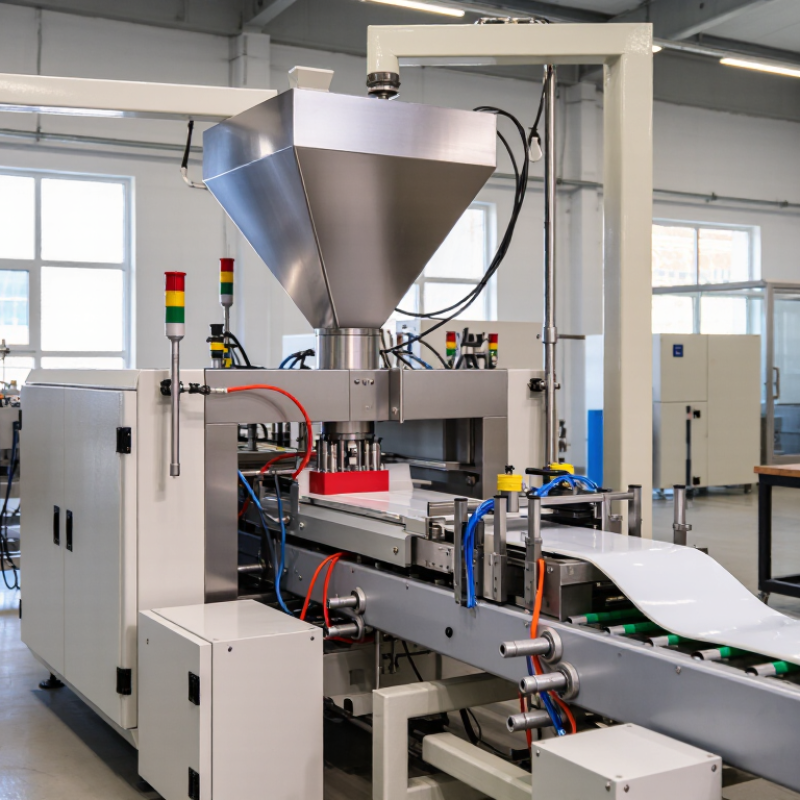
Before comparing extruders, define the product in measurable terms: material, shape, dimensions, tolerances, and target output per hour. A thin film, rigid sheet, and hollow tube place different demands on the screw, die, cooling system, and haul-off. Specify the resin grade and any recycled content or additives, too. Small changes in formulation can affect melt flow and temperature control. Details matter.
Set a realistic production range, not just a peak-rate target. Note how many shifts you expect, how often products change, and what downtime your team can manage. PlasticsEurope’s Plastics—The Fast Facts 2024 reports 413.8 million tonnes of global plastics production in 2023. That scale shows how varied plastics manufacturing is; it does not determine the right extruder capacity for your plant. Your product mix does. Ask suppliers to assess your actual materials and operating conditions, then compare usable output, energy needs, and changeover time. I would not assume a faster line is automatically better. A modest target may fit more reliably. Some requirements will change. Record what remains uncertain, such as future orders or recycled-feed consistency, before fixing the specification.

Choosing a plastic extruder starts with the resin, product shape, and required output. A single-screw machine often suits steady production of pipe, sheet, and profiles. It is relatively straightforward to operate, though mixing may be limited for demanding formulations. A twin-screw extruder provides more control over mixing and feeding. It can suit compounding, filled materials, or blends with several ingredients, but setup is usually more involved. For film, blown-film lines form a bubble through a circular die, while cast-film lines use a flat die and chill rolls. The right choice depends on the film’s thickness, finish, and production needs.
Tips: Compare machines using your own resin and target product. Ask for a trial run, and check scrap rate, energy use, and changeover time—not just rated output.
Before choosing, match screw design and length-to-diameter ratio to the material and process. Check whether melt temperature and output stay stable during startup and normal operation. A machine that is too large may run inefficiently at low demand; a smaller one may limit growth. Specifications can look convincing on paper. Actual materials vary, and that matters. A trial may reveal that an apparently suitable setup needs adjustment.
| Extruder Type | How It Works | Best Suited Materials and Feedstocks | Typical Applications | Key Advantages | Considerations |
|---|---|---|---|---|---|
| Single-screw | A rotating screw conveys, melts, and pressurizes material through a heated barrel and die. | Many standard thermoplastics supplied as pellets, such as polyethylene, polypropylene, and polystyrene. | Pipe and tubing, profiles, sheets, blown film, and wire or cable coatings. | Simple, widely used design; straightforward operation; often a practical choice for steady production of a consistent formulation. | Mixing and compounding capability is generally more limited than in a twin-screw system. Performance depends on screw design, material, and process requirements. |
| Co-rotating intermeshing twin-screw | Two intermeshing screws rotate in the same direction, conveying and mixing material along the barrel. | Polymer blends, filled or reinforced compounds, masterbatches, and formulations requiring intensive mixing. Feed may include pellets, powders, or additives, depending on the line design. | Compounding, color and additive masterbatch production, reactive processing, and devolatilization. | Strong distributive and dispersive mixing; flexible feeding and processing options; suitable for many compounding tasks. | Typically more complex to configure and operate than a basic single-screw line. Screw elements and process settings must suit the formulation and target output. |
| Counter-rotating twin-screw | Two screws rotate in opposite directions. Intermeshing designs provide controlled conveying and melt processing. | Commonly used for polyvinyl chloride (PVC) compounds, including formulations that are sensitive to heat or shear. | PVC pipe, window and door profiles, conduit, and other rigid or flexible PVC products. | Can provide steady conveying and controlled processing for PVC formulations; widely applied in pipe and profile production. | Often configured for particular materials and product lines. Material formulation, screw design, temperature control, and residence time all affect processing results. |
| Ram (piston) extruder | A ram pushes a preformed charge through a heated chamber and die rather than relying on a continuously rotating screw. | Materials that are difficult to process by conventional screw extrusion, including polytetrafluoroethylene (PTFE) in suitable grades and processes. | Specialty rods, tubes, seals, and other products made from difficult-to-melt or paste-processed materials. | Can process selected materials that do not flow readily through conventional screw-based systems. | Usually operates in cycles rather than as a continuous screw-extrusion process. Material preparation, production rate, and product geometry are important selection factors. |
| Vented single-screw | A single screw includes a vent section that allows moisture, air, or other volatiles to escape from the melt under controlled conditions. | Hygroscopic or recycled thermoplastics, and other feedstocks that may contain moisture or volatiles, when matched with an appropriate drying and venting setup. | Reprocessing and extrusion of selected recycled materials; sheet, profile, or pellet production where volatile removal is needed. | Can reduce reliance on upstream drying for some materials and formulations, and may help remove volatiles during processing. | Venting is not a substitute for every drying requirement. Feed consistency, vent design, vacuum conditions, and polymer sensitivity must be assessed. |
A plastic extruder should match the material you actually plan to run, not just a target number on a quotation. A machine rated for a certain hourly output may deliver less with a heat-sensitive resin, a high percentage of regrind, or a demanding die. Ask how the rating was measured, and request figures for your intended material and product dimensions. Small details matter. A thick-walled pipe and a thin film do not place the same demands on the screw, heating zones, or cooling line.
Estimate output from your real schedule: hours per shift, planned changeovers, and acceptable scrap. Then leave some capacity for routine variation, rather than buying the largest machine available. Oversizing can mean higher energy use and less stable processing at low throughput. Undersizing can create a bottleneck that forces the rest of the line to wait. Neither problem is obvious from a brochure. Not always.
Before choosing, compare the extruder’s usable output with the capacity of downstream equipment, such as a haul-off or pelletizer. Check screw design, motor power, temperature control, and whether the machine can handle future material changes. A short production trial is valuable, if available. Record melt quality, output rate, and energy consumption. Estimates still miss things; that is a reason to verify assumptions, not to ignore them.
A suitable plastic extruder should give operators useful control without making routine adjustments confusing. Check whether the system lets staff set and monitor each barrel temperature zone, screw speed, and melt pressure. Clear alarms matter: a drifting temperature or rising pressure should be visible before product quality changes. Ask to see a sample production screen, not just a feature list. Can operators compare settings across shifts? Can they retrieve records when a batch varies? A neat dashboard can still hide poor process visibility.
Energy use is best judged against actual output, not a machine’s headline rating. Request data for the materials, throughput, and operating conditions you expect. Compare energy per kilogram, including warm-up periods and idle time. Insulated barrel zones and efficient drives may reduce waste, but results depend on how the line is run. Small details count. A heater left on during a long pause can quietly raise operating costs. Estimates are useful, but real production measurements are better.
Maintenance needs affect both uptime and staffing. Look at how easily technicians can reach screen changers, heaters, seals, and lubrication points. Ask how often common wear parts need inspection, and whether replacements are readily available. Review maintenance logs from comparable equipment if possible. A highly automated system may reduce manual checks, yet add components that require specialized troubleshooting. That trade-off deserves a close look. It is easy to underestimate service access when a machine is new.
When choosing a plastic extruder, assess the supplier’s support as carefully as its rated output. PlasticsEurope’s Plastics – the Fast Facts 2023 reports global plastics production of 400.3 million tonnes in 2022. That scale makes dependable production important, but it does not prove that any one machine will suit your process. Ask for a customer-run trial using your resin, target profile, and operating conditions. Check output consistency, melt temperature, dimensions, scrap rate, and the time needed to reach stable production. Numbers matter.
Request the trial data, not just a polished demonstration. Confirm which instruments were calibrated and whether readings were logged throughout the run. A useful test should include realistic start-up and changeover steps.
Also ask who handles installation, operator training, troubleshooting, and spare-parts requests. Get response times and parts lead times in writing. Small details matter. A supplier may offer fast remote help, yet your team could still wait for a specialist component. That gap is easy to overlook.
I would also ask what support costs after commissioning, since the initial quote rarely shows the full service picture. If the supplier cannot explain how performance was measured, treat the headline capacity with caution.