
NOTICE
We use cookies to improve the user experience and analyze its performance.
A Dog Barking Device is a tool designed to respond when a dog barks. Some models emit a sound, while others use vibration, light, or a spray. Most products rely on a microphone or sound sensor. The device detects barking and activates a chosen response. It does not understand language or recognize every emotional cause. That distinction matters. Product descriptions may sound confident, but real-world performance can vary widely.
The basic process is simple. When barking reaches a programmed sound level, the sensor triggers the device. An ultrasonic model produces a high-frequency tone that people may barely hear. A vibration model creates a brief physical signal. Some devices use automatic or owner-controlled activation. The intended purpose is interruption, not pain or fear. Still, a device may react to traffic, another dog, or household noise. It may also miss quiet barking. There is no perfect setting.
Responsible use requires careful observation and realistic expectations. Barking can signal boredom, anxiety, territorial behavior, discomfort, or a need for attention. A device cannot identify these causes. Veterinary behavior guidance generally favors reward-based training, enrichment, exercise, and trigger management. The device should support that plan, not replace it. Stop using it if the dog shows fear, confusion, avoidance, or unusual stress. Keep records of barking times, triggers, and changes over several days. That evidence is more useful than guesswork. This guide examines how different devices work, what their limitations are, and how owners can make safer, more informed choices.
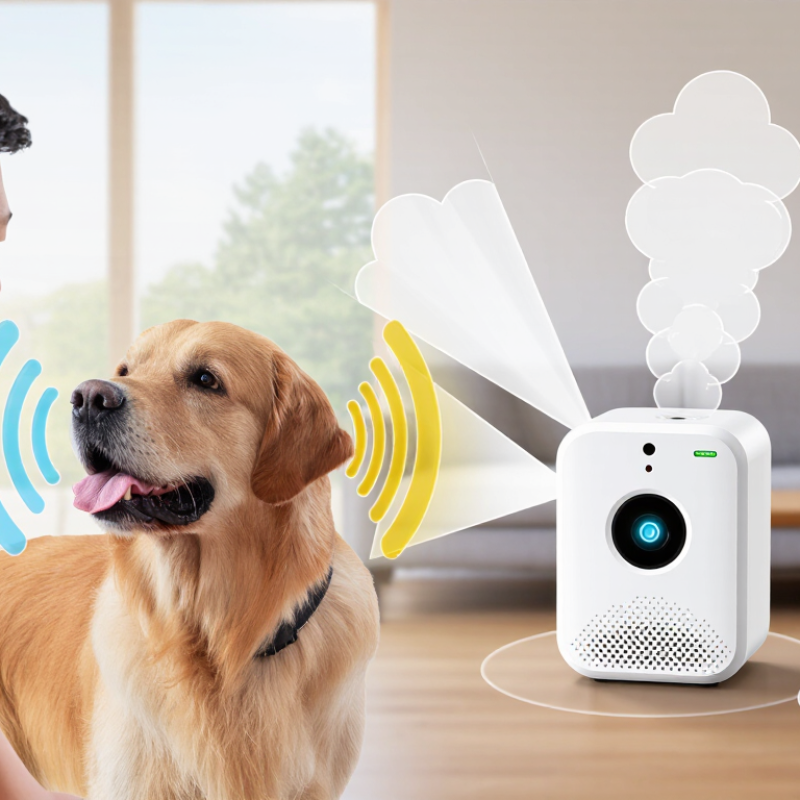
A dog barking device is a tool designed to reduce repeated or disruptive barking. Its purpose is not to silence a dog completely. Barking is normal communication. The device usually detects sound and delivers a response, such as a vibration, brief tone, or ultrasonic signal. Some models require the owner to activate them. Others respond automatically when barking continues.
The need for these devices is understandable. The 2023–2024 APPA National Pet Owners Survey estimated that 65.1 million U.S. households owned dogs. More dogs can mean more noise complaints, especially in apartments or closely built neighborhoods. However, a barking device does not identify the real cause. Fear, boredom, pain, separation distress, and territorial behavior may all sound similar. The RSPCA warns that punishment-based responses can worsen anxiety. That point deserves attention. A device may interrupt barking, but it may not teach calm behavior.
Tips: Choose the least intrusive setting first. Observe your dog’s body language, breathing, and willingness to approach. Stop using the device if your dog hides, trembles, or becomes unusually quiet. Pair interruption with quiet rewards and regular exercise. Keep a simple barking log for several days. It can reveal patterns, though owners may misread them. A veterinarian or qualified behavior professional should assess sudden barking changes, particularly in older dogs.

What Is a Dog Barking Device and How Does It Work?
Main Types of Dog Barking Devices
A dog barking device detects vocal sound and responds with a selected interruption. Its goal is not to punish every noise. It should reduce repeated, unnecessary barking. The right choice depends on the dog’s size, temperament, health, and environment. A device near a thin apartment wall may need careful adjustment. Loud settings can disturb neighbors and increase canine stress.
Ultrasonic devices release a high-frequency sound when barking reaches a set volume. Humans usually hear little or nothing. Some dogs respond quickly, while others ignore the signal completely. They are most suitable for targeted training, not constant outdoor use. Sound-activated devices can work across a room or yard, but wind, traffic, and other dogs may trigger them. That limitation is easy to underestimate.
Vibration collars provide a gentle physical cue without an audible shock. They can suit sensitive dogs when fitted correctly and used with reward-based training. Static correction collars use mild electrical stimulation, but their safety and acceptability vary widely. They require professional guidance, careful fitting, and local rule checks. I would not use one casually. No device works perfectly. A barking dog may be frightened, bored, guarding territory, or experiencing pain. If the cause is missed, the device may suppress noise without improving behavior. Calm praise, exercise, and veterinary advice often matter more than stronger settings.
| Device Type | How It Detects Barking | How It Works | Typical Use | Potential Advantages | Important Limitations |
|---|---|---|---|---|---|
| Ultrasonic Bark-Activated Device | A built-in microphone recognizes the sound pattern or volume of a bark. | It emits a high-frequency sound when barking is detected. The sound may be audible to dogs but is generally difficult for most adults to hear. | Indoor rooms, yards, or areas where barking needs to be interrupted without physical contact. | Non-contact operation; can be used from a distance; usually does not affect people in the same way as an audible alarm. | Dogs differ in hearing sensitivity and temperament, so results are inconsistent. Walls, distance, competing sounds, and multiple dogs can reduce accuracy. |
| Citronella or Scent-Spray Collar | A microphone, vibration sensor, or a combination of both detects barking. | The device releases a small burst of scented spray near the dog’s muzzle after a detected bark. | Short-term interruption of repeated barking, particularly when the dog is wearing the collar under supervision. | Does not use an electric shock; the visible spray can provide immediate feedback for some dogs. | Some dogs ignore or become accustomed to the spray. It requires refills, may be triggered by another dog, and can cause stress or confusion if not paired with training. |
| Vibration Bark Collar | Usually uses a microphone, throat vibration sensor, or both to identify barking from the wearing dog. | It delivers a vibration, often with adjustable intensity or progressive levels, when barking is detected. | Dogs that respond to tactile interruption and can be monitored while wearing the device. | No spray or electrical stimulation; some models provide adjustable settings and automatic shutoff features. | Vibration can still startle or distress sensitive dogs. Fit, coat thickness, false detection, and prolonged wear can affect safety and performance. |
| Static-Stimulation Bark Collar | A microphone, vibration sensor, or dual-sensor system detects barking from the dog wearing the collar. | It delivers an electrical stimulus when barking is detected, typically with adjustable or progressive levels. | Some owners use it for persistent barking, but professional guidance and careful assessment are important. | May interrupt barking quickly in some dogs and can include bark recognition or automatic safety shutoff. | It may cause fear, anxiety, pain, or an association between barking and nearby people, animals, or situations. Positive-reinforcement training and environmental management are generally preferred first. |
| Indoor Sound-Activated Unit | A room-mounted microphone detects sound intensity or a bark-like sound pattern. | Depending on the model, it plays an audible tone, emits ultrasound, or activates a warning sound after barking. | Apartments, rooms, crates, or other fixed indoor locations. | No collar is required; it can monitor a defined area and is easy to reposition. | It may respond to household noises, television, or another dog. It cannot identify the reason for barking or teach an alternative behavior by itself. |
| Remote Manual Trainer | It does not automatically detect barking; the handler activates it using a handheld control. | The handler may deliver a tone, vibration, spray, or another selected signal at a chosen moment. | Training situations where a person can observe the dog and immediately reinforce quiet behavior. | Allows timing and context to be controlled by a person rather than relying entirely on automatic sound detection. | It requires consistent handling and training knowledge. Incorrect timing or aversive use can increase fear, frustration, or unwanted behavior. |
| Key point: A barking device can interrupt a behavior, but it does not identify or resolve the underlying cause, such as fear, boredom, territorial behavior, separation distress, pain, or a need for exercise. Humane behavior modification, suitable enrichment, environmental management, and veterinary or qualified behavior-professional advice are often needed for lasting improvement. | |||||
A dog barking device uses a microphone or vibration sensor to recognize barking. The microphone listens for sudden, repeated sounds within a selected range. Some models also measure pitch, volume, and duration. This helps separate barking from traffic, doors, or household conversation. However, no sensor is perfect. A loud television may still trigger it.
After detecting a possible bark, the device sends a programmed response. Common responses include a warning tone, ultrasonic sound, vibration, or a brief light signal. The aim is to interrupt the barking pattern, not frighten the dog. Many devices increase their response only when barking continues. They may reset after several quiet seconds.
Placement matters greatly. A device facing the dog from several metres away may detect sound more clearly. Walls, wind, and other animals can affect performance. Test the sensitivity at different times, especially during normal household activity. A dog that barks from anxiety, pain, or isolation needs more than an electronic response. Training, exercise, and veterinary advice may be necessary.
A barking device can support behaviour training, but it should not replace supervision. Observe the dog’s body language after each response. If the dog hides, trembles, pants excessively, or becomes more reactive, stop using the device. The settings may be too strong, or the device may be addressing the wrong problem. Careful adjustment is often more effective than maximum intensity.
What Is a Dog Barking Device and How Does It Work?
A dog barking device detects sound and responds with a selected interruption. Some release a high-frequency tone, while others use vibration or a brief audible signal. The goal is not to punish the dog. It is to interrupt barking long enough for calmer behavior to begin. In real homes, results vary. A device may work near a quiet doorway but fail beside heavy traffic.
Factors That Affect Device Effectiveness
Detection accuracy matters. If the device reacts to every sound, the dog may become confused or ignore it. Distance also changes performance, especially outdoors or across several rooms. Wind, walls, furniture, and competing noise can weaken the signal. A dog’s age, hearing, temperament, and motivation are important too. Fear, separation distress, pain, or territorial anxiety may drive the barking. In these cases, a device alone rarely addresses the cause. Consistent training, rewarding quiet moments, and reducing visible triggers usually improve results. A qualified veterinary behaviorist can help when barking suddenly increases or seems linked to distress. Even then, advice may need adjustment. No tool works perfectly for every dog.
Tips: Place the device near the barking area, not beside the dog’s bed. Test its range with ordinary household sounds. Reward silence immediately. Stop using it if your dog hides, trembles, or seems unusually tense. Keep a simple log for one week; patterns may reveal what the device misses.
A dog barking device detects sound and responds with a chosen signal. Common responses include a tone, vibration, ultrasonic sound, or static stimulation. The device may interrupt barking, but it does not explain why the dog is vocalizing. Fear, boredom, pain, isolation, and territorial triggers can produce very different patterns. A quiet dog is not always a calm dog.
The APPA 2023–2024 National Pet Owners Survey estimated that 65.1 million U.S. households owned a dog. That scale makes humane guidance important. The American Veterinary Society of Animal Behavior states that reward-based training should be used, while aversive methods can increase fear and stress. Its 2021 position statement advises against electronic shock-based tools. RSPCA welfare guidance also warns that punishment may suppress warning sounds without solving anxiety.
Use your ears first. Record when barking starts, what happens nearby, and how long it lasts. Then reduce triggers, add exercise, and reward brief quiet moments. A device should never replace veterinary assessment or a qualified behavior professional. It should not be used on a dog showing panic, aggression, pain, or hearing problems. Fit and volume require careful checking. Never leave the device running unattended. Honestly, interruption can look like training when it is only silence. Review the result after several days. If the dog appears tense, avoids people, pants heavily, or barks more intensely, stop and reassess. Safety matters more than convenience.