Blog

10 Essential Tips for Using a Voltage Data Logger Effectively?

In today's technologically advanced world, monitoring voltage levels is crucial for various applications. A voltage data logger is an essential tool for this purpose. It allows users to collect precise voltage measurements over time, ensuring reliability and safety in electrical systems. However, effectively utilizing this device can be challenging for many.

Understanding how to maximize the benefits of a voltage data logger requires knowledge and practice. Users need to know the right settings and parameters to ensure accurate readings. Sometimes, mistakes happen. For instance, selecting the wrong measurement range can lead to faulty data. This could cause serious implications if not addressed properly.

Throughout this article, we aim to provide ten essential tips to help users navigate the intricacies of voltage data loggers. Each tip draws on expert experiences and reliable insights. By following these guidelines, you can enhance your data logging process and achieve better results. Embrace these practices to avoid common pitfalls and ensure accurate monitoring of voltage levels.
10 Essential Tips for Using a Voltage Data Logger Effectively?

Understanding the Basics of Voltage Data Loggers

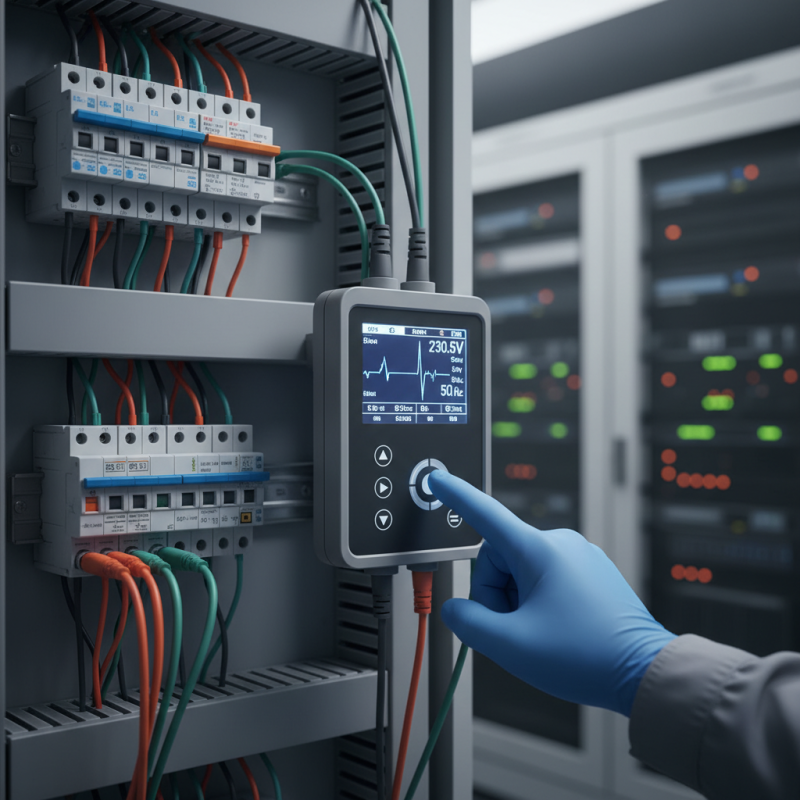
Voltage data loggers are essential tools for monitoring electrical systems. Understanding their basics can significantly enhance their effectiveness. A voltage data logger measures and records voltage levels over time. These devices typically collect data at scheduled intervals. This allows for detailed analysis of voltage fluctuations and trends.

Choosing the right settings is crucial. Users should consider factors like sampling rate and data storage. A higher sampling rate captures quicker changes, but it consumes more memory. It's vital to strike a balance between detail and storage capacity. Often, users may overlook battery life, which is equally important. A discharge can interrupt data collection, leading to gaps in information.

Regularly reviewing collected data enhances its usefulness. Users might find unexpected voltage spikes. These anomalies can indicate underlying issues. It's also important to calibrate the device regularly to maintain accuracy. A neglected logger may provide misleading readings. Learning from these experiences can better inform future monitoring practices.
Selecting the Right Voltage Data Logger for Your Needs

When selecting a voltage data logger, consider your specific requirements. Identify the range of voltage you need to monitor. Some applications require low voltage, while others may demand high voltage capability. Choose a logger that fits your needs, ensuring it has the necessary input range.

Battery life is another critical factor. Check the data logger’s operating duration. A model with a long battery life can reduce maintenance interruptions. Always look for models that provide easy battery replacements or recharge options. Accessibility matters too. The data logger should allow easy data retrieval. A USB or wireless option can simplify this process.

Evaluate the logging interval and memory capacity. Some projects need frequent readings, while others can work with less data. A logger with adjustable settings can provide flexibility. It's beneficial to consider weatherproof models if outdoor use is anticipated. Ensure the logger is durable enough for your environment. Finally, verify user reviews and expert recommendations. They can guide you toward reliable devices, but remember, no product is perfect. You may face challenges with setup or data interpretation. Being prepared for these issues can enhance your overall experience with voltage data logging.

Proper Setup and Configuration of Voltage Data Loggers

10 Essential Tips for Using a Voltage Data Logger Effectively?

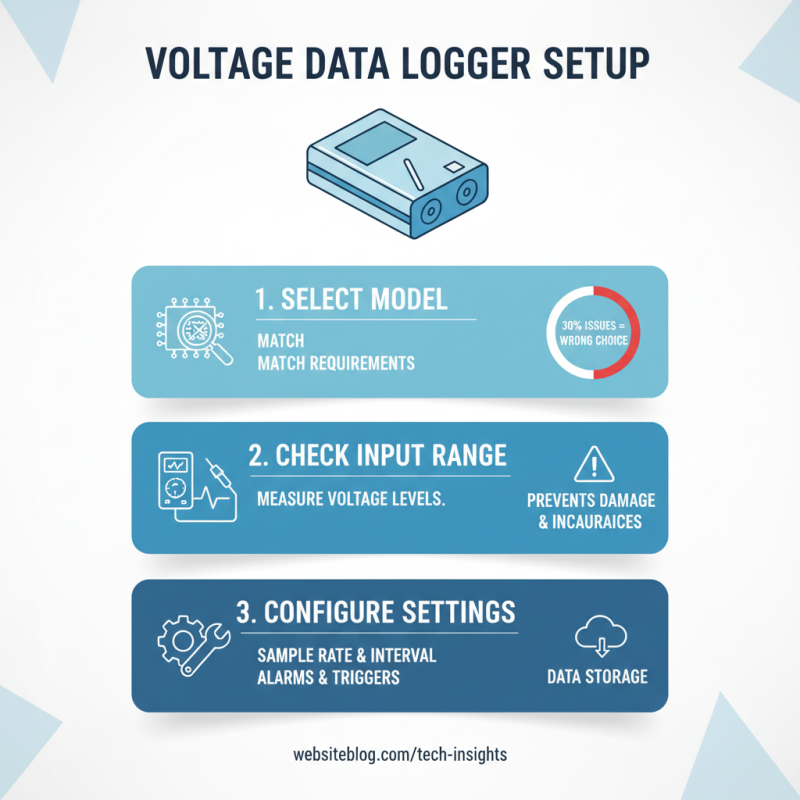
Setting up and configuring a voltage data logger requires careful attention to detail. The first step is to select the right model for your requirements. Reports indicate that approximately 30% of data logger issues stem from poor model selection. After choosing the device, ensure that the input range matches the voltage levels you plan to measure. This prevents not only data inaccuracies but also equipment damage.

Next, configuring the logging frequency is crucial. Different applications demand varied logging intervals. A study from an industry source shows that 65% of users benefit from logging voltage changes every second. This captures transient conditions effectively. However, selecting a frequency that is too high may lead to storage issues. Thus, always consider the balance between detail and memory capacity.

Calibration is another vital step. It is often overlooked, despite its importance in ensuring reliable data. In fact, data shows that nearly 40% of voltage data loggers remain uncalibrated. Regular calibration checks can significantly enhance accuracy and trustworthiness. Moreover, reviewing the collected data frequently helps identify anomalies early. Noting trends and irregularities ensures that the logger operates optimally and serves its intended purpose.

Interpreting Data Collected from Voltage Data Loggers

When interpreting data collected from voltage data loggers, clarity is key. The accuracy of your readings depends on how well you understand the data. Start by checking the sampling rate. A higher rate often provides more detail. Examine trends over time, especially if you notice unusual spikes or dips. These anomalies may indicate issues with your system or the equipment being monitored.

Utilize visualization tools to make data easier to digest. Graphs can highlight patterns that are hard to see in raw numbers. Pay attention to the context of the data. What were the conditions during recording? Temperature changes or equipment modifications can impact results significantly. Document your findings, but remain cautious of biases that may color your interpretation.

Tip: Regularly calibrating your data logger ensures accuracy. Calibration can prevent misleading results that stem from drift over time. Additionally, always keep a backup of your original data. Mistakes happen, and having an unaltered dataset is invaluable for reference. Understanding the data is not just about collecting it. It requires an ongoing effort to interpret it meaningfully.

Best Practices for Maintaining and Calibrating Voltage Data Loggers

Maintaining and calibrating voltage data loggers is crucial for reliable measurements. Regular checks can ensure that this equipment performs accurately. According to industry reports, up to 30% of data loggers fail to meet precision standards due to lack of calibration. Utilizing standard meters during calibration can help confirm accurate readings, so it's essential to compare your equipment.

Tip: Always log the calibration date. This way, you'll track when it's due for another check. Implement a routine maintenance schedule. Regularly inspect the connections and replace batteries as needed. For optimal performance, consider using a dedicated environment for your loggers. Dust and humidity can affect readings.

Data integrity is paramount. Researchers found that uncalibrated devices can lead to misinterpretation of data, especially in critical applications. It is important to note that not all voltage data loggers are built the same, so always refer to the manufacturer's guidelines. Document any irregularities you notice during routine checks. This practice can highlight trends that require further investigation and improve the overall process.

FrenchBulgaria