What is a Handheld Gas Monitor and How Does It Work?
A Handheld Gas Monitor is an essential tool for safety in various environments. These devices help detect and measure toxic or flammable gases. Workers in industrial settings rely on them daily. The appearance of these monitors varies, but they are typically portable and user-friendly.
Understanding how a Handheld Gas Monitor functions is crucial for effective use. They often use sensors to identify gas concentrations. This technology provides instant feedback, allowing for timely decisions. However, users should remember that no device is infallible. Regular calibration and maintenance are necessary to ensure accuracy.
In fast-paced situations, reliance on technology can lead to complacency. It's important to maintain awareness, even when using reliable equipment like a Handheld Gas Monitor. Training and experience play significant roles in maximizing their effectiveness. Ultimately, these monitors are invaluable, but they should be part of a broader approach to safety.
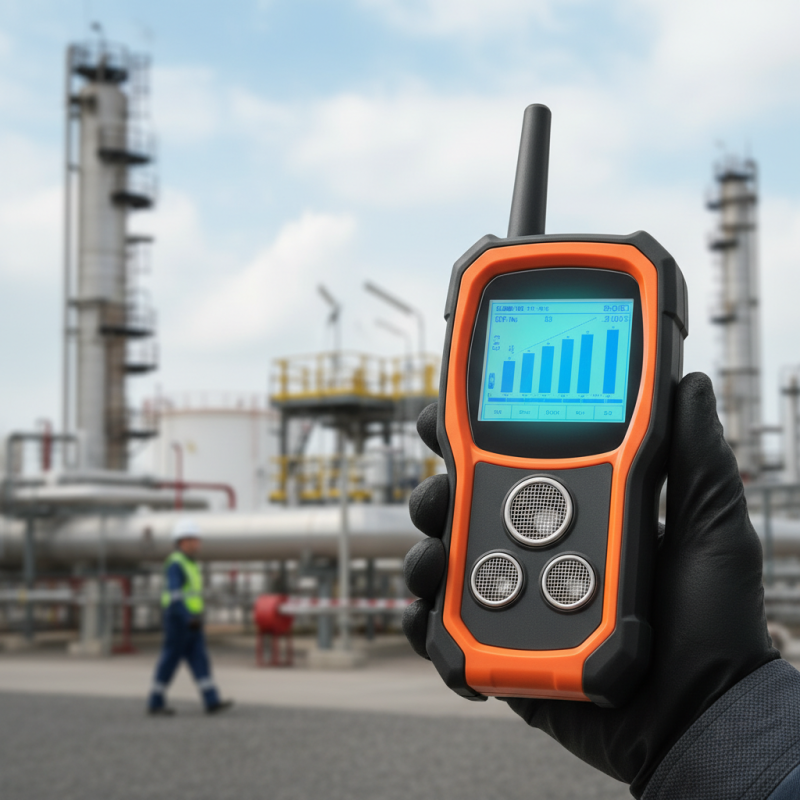
What is a Handheld Gas Monitor?
A handheld gas monitor is a portable device designed to detect and measure gas concentrations in various environments. These monitors are often used in industrial settings, laboratories, and emergency response situations. They provide real-time data, helping users identify hazardous conditions. This capability is essential for ensuring safety in places where toxic gases might be present.
The operation of a handheld gas monitor typically involves sensors that respond to specific gases. When a gas is detected, the monitor displays the concentration levels on its screen. Some models also feature audible alarms to alert users of dangerous levels. The efficiency of these devices can vary, influenced by calibration and environmental factors. Users must regularly maintain and test their monitors to ensure reliability.
Handheld gas monitors serve a critical role in various industries. However, it is vital to remember that they are not infallible. Calibration errors or sensor fatigue can lead to inaccuracies. Users should be aware of these potential issues and continually assess the reliability of the data provided. Understanding the limitations and proper use of these monitors is crucial for maintaining safety in the field.
Key Features of Handheld Gas Monitors
Handheld gas monitors are essential tools in various industries, ensuring safety by detecting hazardous gases. These devices are compact, portable, and equipped with advanced sensors. They are widely used in oil and gas, chemicals, and construction. According to industry reports, the global handheld gas monitor market is projected to grow at a CAGR of 5.6%, highlighting their importance.
Key features of handheld gas monitors include immediate readouts, multi-gas detection capabilities, and user-friendly interfaces. Many devices can detect combustible gases, toxic gases, and oxygen levels. They often come with alarms and alerts for heightened safety. The sensor technology varies; some utilize electrochemical sensors, while others may use infrared. Operators should regularly test and calibrate their equipment to ensure accuracy.
Tips: Regular maintenance is crucial. Clean the sensors to ensure reliability. Check battery life frequently, as depleted batteries can lead to failures. Users need to stay updated on changing regulations regarding gas detection. Understanding these features and best practices can significantly enhance workplace safety.
How Do Handheld Gas Monitors Work?
Handheld gas monitors are essential tools for detecting hazardous gases in various environments. They operate using sensors that can detect specific gas concentrations in the air. These sensors react chemically with the gases, generating signals that are processed and displayed on the device. The readings help users assess safety levels in real-time.
Understanding the different types of sensors is crucial. Some monitors use electrochemical sensors for toxic gases. Others employ infrared sensors for detecting combustibles. These technologies require regular calibration. Without proper calibration, readings may be inaccurate. Users must be aware of environmental factors that may impact sensor performance, such as humidity and temperature.
Regular maintenance is vital for reliable data. The monitors need battery checks and software updates. Users should also conduct regular tests to validate the accuracy of the readings. A lack of attention to these details can lead to oversight. Understanding the limitations of each type of gas monitor fosters better safety practices, especially in industrial settings.
Applications of Handheld Gas Monitors in Safety
Handheld gas monitors play a vital role in various safety applications, particularly in industrial settings. According to the U.S. Bureau of Labor Statistics, over 130 workers die each year from gas-related incidents. These monitors are crucial for detecting harmful gases like carbon monoxide, methane, and hydrogen sulfide. They enable workers to assess air quality in real time. Immediate detection can mean the difference between life and death in hazardous environments.
Construction, mining, and confined space work are areas where these devices are essential. A study from the Occupational Safety and Health Administration highlights that proper gas detection can reduce accidents by up to 50%. Workers equipped with handheld gas monitors can navigate environments with a higher degree of safety. However, reliance solely on technology can lead to complacency. Regular training and awareness of monitor limitations remain crucial.
In addition to industrial uses, handheld gas monitors are also applied in environmental testing. They help monitor air quality in urban areas. With rising pollution levels globally, having reliable gas monitors provides essential data for public health. Despite advancements, not all monitors offer the same accuracy or detection capabilities. Continuous innovation and user feedback are essential for improving these devices.
Maintenance and Calibration of Handheld Gas Monitors
Handheld gas monitors are essential tools for detecting harmful gases in various environments. However, these devices require regular maintenance and calibration to ensure accurate readings. Periodic checks help identify potential issues, such as sensor drift or battery depletion. Neglecting these can lead to dangerous situations.
Calibration is a critical process. It involves comparing the gas monitor’s readings with a known standard. This helps to correct any discrepancies. Routine calibration is often recommended every six months or after device repairs. During calibration, it's vital to use certified calibration gases. Using incorrect gases can lead to hazardous inaccuracies.
Tips: Keep a logbook of calibration dates and results. This helps in tracking performance over time. If a monitor shows unusual readings, do not hesitate to re-calibrate it immediately. Regular maintenance can prevent failure when you need the device the most.



