What is Laser Hair Removal Equipment and How Does It Work?
Laser hair removal has gained immense popularity in recent years. This surge is attributed to its effectiveness and long-lasting results. According to a 2022 report by the American Society for Aesthetic Plastic Surgery, laser hair removal procedures expanded by over 20% from the previous year. Such statistics underline the growing trust in this technology.
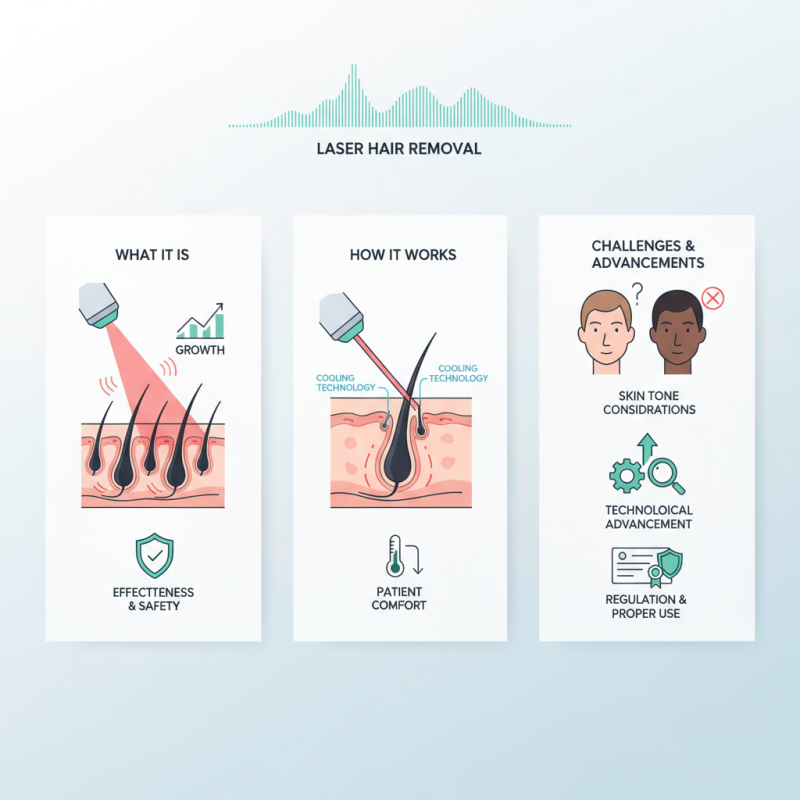
Laser Hair Removal Equipment utilizes concentrated beams of light to target hair follicles. The process is efficient and often less painful than traditional methods. However, not all equipment is created equal. Some machines may lack the necessary safety features or efficacy required for optimal results. For instance, newer devices are designed with advanced cooling technology, enhancing patient comfort during treatment.
Yet, challenges remain. Individuals with darker skin tones may experience complications. Effectively addressing these issues requires continuous advancement in laser technology. Trustworthy manufacturers work to enhance the efficacy and safety of laser hair removal equipment. Ensuring that this equipment is well-regulated and properly used is crucial for achieving desired outcomes.
What is Laser Hair Removal Equipment?
Laser hair removal equipment is designed for the effective removal of unwanted hair. This technology uses focused beams of light to target hair follicles. The heat from the laser damages the follicle, reducing hair growth. It’s a popular choice for many seeking long-term hair removal solutions.
Various types of lasers are used in this process. Each type works better on different skin tones and hair colors. For example, some lasers are more effective on dark hair and light skin. It is essential to consult with qualified professionals for the best results. They can assess skin type and recommend suitable settings.
While laser hair removal is effective, it may not be suitable for everyone. Some individuals may experience temporary redness or swelling. Not all hair follicles are in the same growth phase, so multiple sessions are usually necessary. This can lead to varying results. Understanding these factors is crucial to managing expectations and achieving desired outcomes.
Types of Laser Hair Removal Devices Available in the Market
Laser hair removal technology has grown significantly in recent years. Various types of devices are available, each offering unique benefits. Understanding these types can help you choose the right equipment for your needs.
One common type is the diode laser. It is known for its effectiveness on various skin tones. The diode laser system has a longer wavelength, allowing deeper penetration. This makes it suitable for larger areas, such as the back or legs. However, results can vary, and not everyone may experience ideal outcomes.
Another popular choice is the Alexandrite laser. It works well on lighter skin tones. The Alexandrite has a shorter wavelength, which can make it faster. Many people report quicker sessions with this device. Yet, those with darker skin might need extra caution due to the risk of side effects.
Lastly, the Nd:YAG laser is versatile for all skin types. Its longer wavelength reduces the chance of pigmentation issues. It is often used in medical settings. However, the cooling technology can impact comfort during treatment. Each device has its strengths and weaknesses. Hence, it’s essential to consult professionals for personalized advice.
Types of Laser Hair Removal Devices Available in the Market
This chart illustrates the popularity of different types of laser hair removal devices in the market based on user preferences. The data indicates that Alexandrite Laser is the most preferred choice among users, followed by Diode and Nd:YAG Lasers.
How Laser Hair Removal Works: The Science Behind the Process
Laser hair removal is a popular method for achieving smooth skin. The technique uses concentrated light beams to target hair follicles. When the laser light absorbs, it converts to heat, damaging the follicles and inhibiting future hair growth. This process relies on the principle of selective photothermolysis, meaning only dark pigments in the hair absorb the light while surrounding skin remains unharmed.
During treatment, patients may feel a slight tingling sensation. The discomfort is usually manageable, but everyone's pain threshold varies. It’s essential to consult with a trained practitioner to assess individual skin types and hair characteristics. Not all hair responds equally well. Some may need multiple sessions for optimal results.
Tips: Always follow pre-treatment and post-treatment care instructions. Avoid sun exposure before the procedure. This preparation can minimize complications and enhance results. After sessions, keep the treated area moisturized to avoid irritation. Results take time, and patience is crucial. Reflect on your experience to make informed decisions about future sessions. Remember, not all removals are permanent, and hair may regrow over time.
Benefits and Limitations of Laser Hair Removal Technology
Laser hair removal technology has gained immense popularity due to its effectiveness. Many patients appreciate its ability to significantly reduce unwanted hair. However, it is essential to understand both the benefits and limitations before opting for this treatment.
One of the main advantages is its precision. Laser hair removal targets dark hair while leaving surrounding skin unharmed. Many users report smoother skin and long-term hair reduction. Nevertheless, results can vary. Some individuals may require multiple sessions for optimal results. This raises concerns about time investment and cost.
On the other hand, there are limitations. Laser hair removal can cause side effects such as redness or swelling. These effects usually subside quickly but may deter some individuals. Additionally, this method works best on certain skin and hair types. People with light hair may not see satisfactory results. Understanding these factors is crucial for those considering this treatment.
Safety Considerations and Aftercare for Laser Hair Removal
Laser hair removal is a popular method for achieving long-term hair reduction. However, safety considerations are crucial before undergoing the procedure. It’s vital to choose a qualified professional with extensive experience. Improper use of laser equipment can lead to burns or skin damage. Always check credentials and read reviews from previous clients.
Aftercare is equally important for optimal results. Post-treatment, avoid sun exposure to minimize skin irritation. Use a gentle cleanser and moisturize the area daily. Cooling gel or aloe vera can soothe discomfort. Avoid scrubbing or exfoliating the treated area for several days. Remember, everyone’s skin reacts differently. Monitor any unusual changes and consult a professional if needed. Safety and aftercare can significantly impact the success of laser hair removal.



