China Top Humidity Data Logger Manufacturers?
China’s humidity data logger industry supports pharmaceuticals, food logistics, museums, electronics, and controlled warehouses. Demand is rising as companies need traceable environmental records, not occasional manual readings. MarketsandMarkets’ Data Loggers Market report identifies expanding adoption across cold-chain monitoring, manufacturing, and laboratory applications. Its analysis also highlights wireless connectivity, cloud platforms, and sensor accuracy as important purchasing factors.
China offers a wide supplier base, from large instrumentation manufacturers to specialized OEM factories. However, “top” should not mean the lowest quoted price. A reliable humidity data logger should provide stable readings, calibrated sensors, clear software, secure data export, and practical battery life. Look for documented accuracy, such as ±2% RH under defined conditions. Check whether the supplier explains temperature compensation and sensor drift.
Small details reveal real capability. A warehouse operator may need a logger that records every five minutes for 30 days. A museum may need a discreet probe and alarm history. A pharmaceutical distributor may require calibration certificates and tamper-evident records. ISO 9001 certification can support process reliability, but it does not prove measurement accuracy by itself. ISO/IEC 17025 calibration evidence is more relevant.
Reports from Grand View Research and Fortune Business Insights describe broader growth in environmental monitoring and connected sensing markets. Yet market forecasts cannot replace product testing. Some supplier claims remain vague. That deserves scrutiny. This guide compares leading Chinese manufacturers through specifications, calibration practices, communication options, software usability, certifications, and after-sales support. The strongest choice depends on the application, not a promotional ranking.
Humidity Data Loggers: Definition, Functions, and Key Applications
China Top Humidity Data Logger Manufacturers?
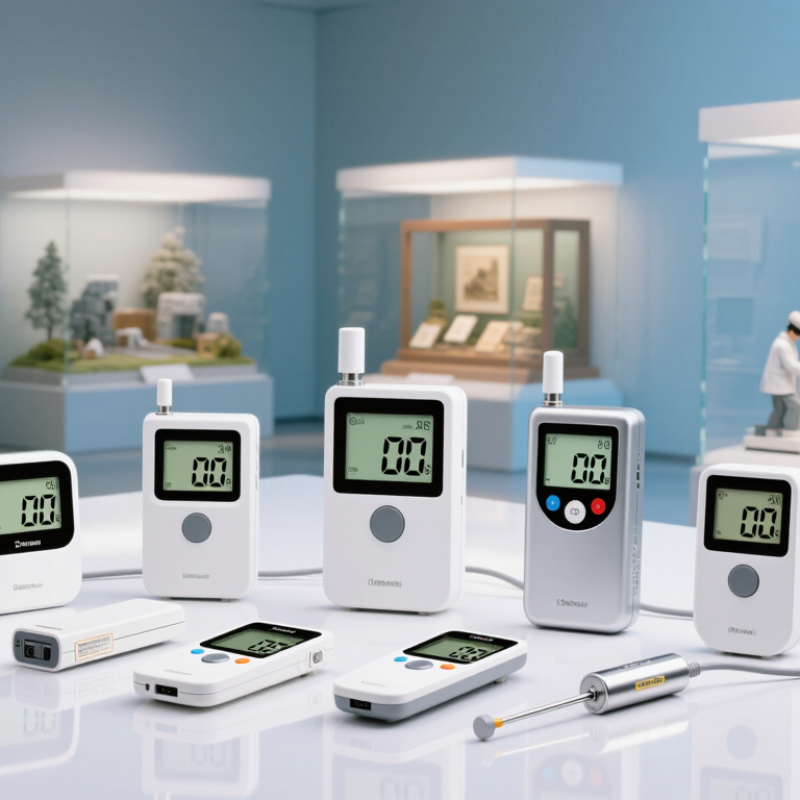
Humidity data loggers are compact instruments that measure and store relative humidity over time. Many models also record temperature, timestamps, and alarm events. A sensor detects moisture changes, while internal memory preserves readings for later review. Users can transfer data through USB, wireless links, or dedicated software. This evidence helps confirm whether storage rooms, transport cases, and production areas stayed within required conditions. No logger is perfect. Sensor drift, weak batteries, and poor placement can distort results.
Key applications include pharmaceutical storage, food warehouses, museums, laboratories, electronics rooms, and HVAC inspections. For buyers comparing China-based manufacturers, practical reliability matters more than appearance. Check calibration procedures, measurement range, sampling intervals, data protection, and software usability. Traceable calibration records and clear test reports strengthen confidence. A manufacturer should also explain battery life, sensor replacement, warranty terms, and after-sales technical support. These details are easy to overlook during a quick purchase.
Tips: Place the logger away from doors, vents, sunlight, and direct contact with wet surfaces. Match the sampling interval to the risk. Short intervals suit transport checks, while longer intervals may fit stable warehouses. Test one unit before wider deployment. Review the first dataset carefully, because real environments often behave differently than expected. A simple comparison with an independent reference instrument can reveal installation problems early.
China’s Humidity Data Logger Manufacturing Landscape
China’s humidity data logger manufacturing landscape combines sensor assembly, embedded software, enclosure production, and export-oriented testing. Many factories serve laboratories, warehouses, museums, agriculture, and cold-chain logistics. Their capabilities differ widely.
Reliable manufacturers usually control key processes in-house. These include circuit-board assembly, probe integration, firmware testing, battery inspection, and final calibration. Buyers should request calibration records linked to recognized reference standards. A clear serial-number system also supports traceability from production to field use. Small details matter. For example, a loose probe connector can create unstable readings during long storage. Experienced suppliers test devices across changing temperature and humidity conditions, not only in a comfortable room.
Customization is another important feature of China’s market. Manufacturers may adjust sampling intervals, memory capacity, display layouts, alarm limits, communication interfaces, and protective housings. However, customization can expose weaknesses. Some suppliers promise fast changes without explaining validation steps or software risks. That deserves careful questioning. A dependable evaluation should include sample testing, battery-life checks, data-export verification, and repeated calibration comparisons. Packaging quality also matters when devices travel through humid ports or spend weeks in transit. The market is efficient, but not perfectly consistent. Product documentation may be less precise than the hardware itself, so buyers should review manuals, test reports, and after-sales procedures before placing larger orders.
Evaluation Criteria for Leading Chinese Manufacturers
China Top Humidity Data Logger Manufacturers?
Evaluation Criteria for Leading Chinese Manufacturers
Evaluating Chinese humidity data logger manufacturers requires more than comparing unit prices. A reliable supplier should explain sensor accuracy, operating range, response time, and calibration methods. Ask for recent calibration certificates with traceable reference equipment. Vague specifications deserve caution.
Factory experience should be visible in production records, testing stations, and quality procedures. Request sample data from a logger operating at 30°C and 75% relative humidity. Check whether readings remain stable over several days. Software also matters. Clear graphs, exportable files, alarm settings, and secure firmware updates support practical field work. Documentation should be available in accurate English.
Look closely at battery performance, memory capacity, probe protection, and enclosure design. A warehouse logger may need different protection than one used near cooling equipment. Ask how failed sensors, damaged ports, and delayed shipments are handled. Real technical support includes troubleshooting steps, replacement policies, and response times. Not every published test reflects daily use. A supplier may pass a laboratory check yet overlook weak packaging or confusing software. Independent sample testing can reveal these gaps before a larger order. Small details count.
China Top Humidity Data Logger Manufacturers? Evaluation Criteria for Leading Chinese Manufacturers
This chart presents a practical buyer-side weighting model for evaluating humidity data logger manufacturers. Measurement accuracy, calibration evidence, operating range, software capability, product reliability, compliance documentation, and after-sales support should be verified through technical datasheets, test reports, samples, and supplier audits. The percentages are evaluation weights rather than company rankings.
Profiles of China’s Top Humidity Data Logger Manufacturers
China’s leading humidity data logger manufacturers often differ by engineering focus rather than appearance. Some operate mature production lines in coastal electronics hubs, while others specialize in compact, customized instruments. Their stronger models commonly combine temperature and relative humidity measurement, internal memory, USB transfer, and replaceable batteries. Buyers should examine sensor stability, sampling intervals, and software usability.
Established manufacturers usually provide documented calibration procedures and traceable test records. Many can support accuracy around ±2% to ±3% relative humidity under controlled conditions, but performance varies by range and temperature. Reliable suppliers explain these limits clearly. They also test battery life, enclosure sealing, and communication reliability before shipment. Factory audits, sample testing, and calibration certificates offer more confidence than polished product images.
Some manufacturers focus on industrial monitoring, using rugged housings and higher ingress protection for warehouses, laboratories, and transport cases. Others develop economical loggers for museums, food storage, or room surveys. Custom labels, alarm thresholds, and reporting formats are often available. However, customization can introduce firmware delays or inconsistent documentation. That weakness deserves attention. A low price may also hide weak after-sales support or difficult software. Reviewing several sample units remains sensible, especially when readings must support quality decisions.
Purchasing and Quality Considerations for Global Buyers
China Top Humidity Data Logger Manufacturers?
Global buyers should evaluate humidity data loggers beyond price and product photos. A reliable supplier should provide a clear accuracy range, operating temperature, memory capacity, and battery life. Ask whether calibration follows a traceable laboratory process, preferably linked to ISO/IEC 17025 practices. Calibration certificates should show test points, measurement uncertainty, and the calibration date. Vague certificates create problems during audits.
Request production samples before placing a large order. Test them in a controlled chamber at 30%, 60%, and 90% relative humidity. Check whether readings stabilize quickly after temperature changes. A good logger should also record timestamps correctly and export data in a usable format. Confirm the software works with your operating system, because attractive hardware can hide weak software. It happens more often than expected.
Purchasing teams should inspect sensor protection, enclosure quality, button response, and battery access. For cold-chain or warehouse use, ask about alarm settings, data retention, and water resistance. Confirm packaging details, spare parts, firmware updates, and technical support in writing. Suppliers with documented inspection procedures usually offer more dependable cooperation. Still, no factory is perfect; sample results may differ from mass production. Include random inspections, acceptance limits, and corrective-action terms in the purchase agreement. Also verify labeling, import documents, and destination-market requirements before shipment.