Blog

What is a Natural Gas Meter and How Does it Work?

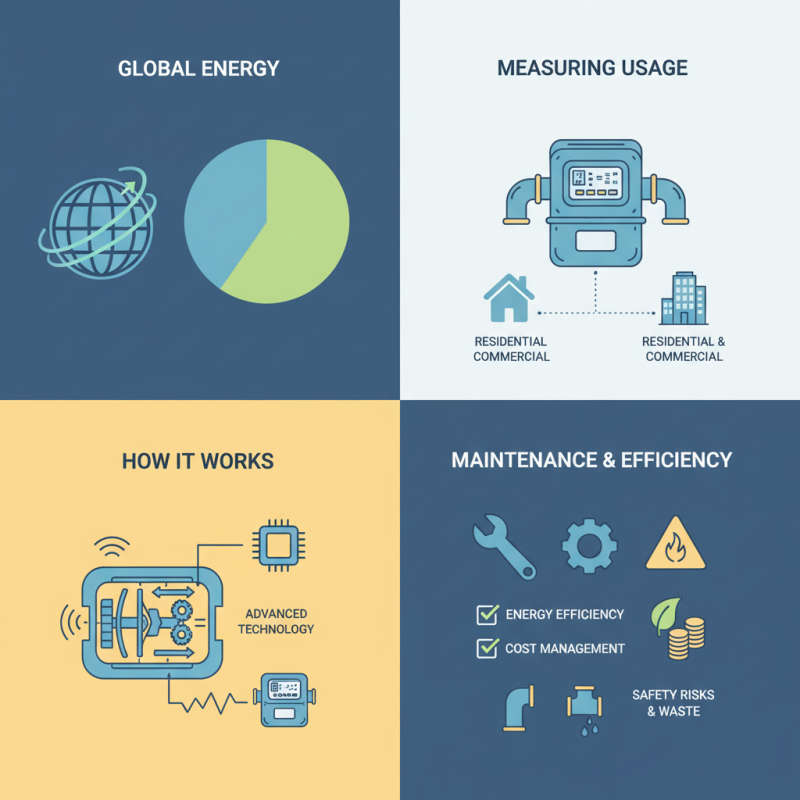
Natural gas is a significant energy source worldwide. In 2022, it accounted for nearly 25% of global energy consumption. A natural gas meter is essential for measuring usage in residential and commercial settings. These devices help track energy consumption and ensure accurate billing.

Understanding how a natural gas meter works is crucial. It impacts energy efficiency and cost management. The functionality of these meters involves complex mechanisms that measure gas flow. Advanced technologies have improved accuracy and reliability. However, not all meters achieve the same precision.

Some consumers may underestimate the importance of regular maintenance. Neglecting this can lead to inaccurate readings and safety risks. Reports indicate that faulty meters can contribute to energy wastage. Hence, understanding the role of a natural gas meter can lead to better energy practices.
What is a Natural Gas Meter and How Does it Work?

What is a Natural Gas Meter?

A natural gas meter is a crucial device for measuring gas consumption in homes and businesses. It tracks how much gas is used over time, helping utility companies bill customers accurately. Most commonly, meters display readings in cubic feet or cubic meters. Users can check the meter regularly to monitor their usage.

When reading a natural gas meter, take note of the dials. They spin as gas flows through the meter. If the meter has dials, record the numbers from left to right. Sometimes, using a calculator helps convert these figures into actual usage.

**Tip:** Regularly check your meter. Not only does it help in budgeting, but it can also reveal potential leaks. If a sudden spike in usage appears, investigate promptly.

Gas meters may sometimes malfunction. A stuck dial or inaccurate reading can lead to issues with billing. Always report discrepancies to your utility provider for clarity. Remember, meters can wear over time, leading to errors.

**Tip:** Keep your meter area clean and accessible. This allows for easy readings and servicing when required. Regular maintenance can prevent further complications.
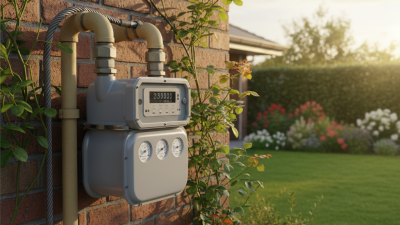
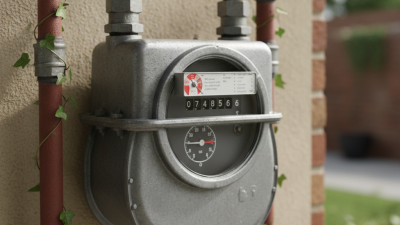
Components of a Natural Gas Meter

A natural gas meter is essential for measuring gas consumption. Understanding its components is crucial for efficient usage and maintenance. Several key elements make up a typical natural gas meter.

The diaphragm is one primary component. It expands and contracts, measuring gas flow. This part is sensitive to pressure changes. A malfunctioning diaphragm can lead to inaccurate readings. Precision is vital, as around 60% of U.S. households rely on natural gas for heating. Incorrect measurements may result in overcharges or undercharges.

Another essential component is the register. It displays the amount of gas used. Many registers now feature digital displays. These can enhance readability and reduce human error. However, reliance on technology can lead to challenges. For instance, if the display malfunctions, consumers may not notice until the next bill arrives. Additionally, sensors measure gas pressure and temperature. Accurate readings depend on proper function. If not regularly calibrated, these sensors can give false data. Regular checks can mitigate issues and ensure accurate billing.

Natural Gas Consumption by Sector in 2022

How Does a Natural Gas Meter Measure Consumption?

What is a Natural Gas Meter and How Does it Work?

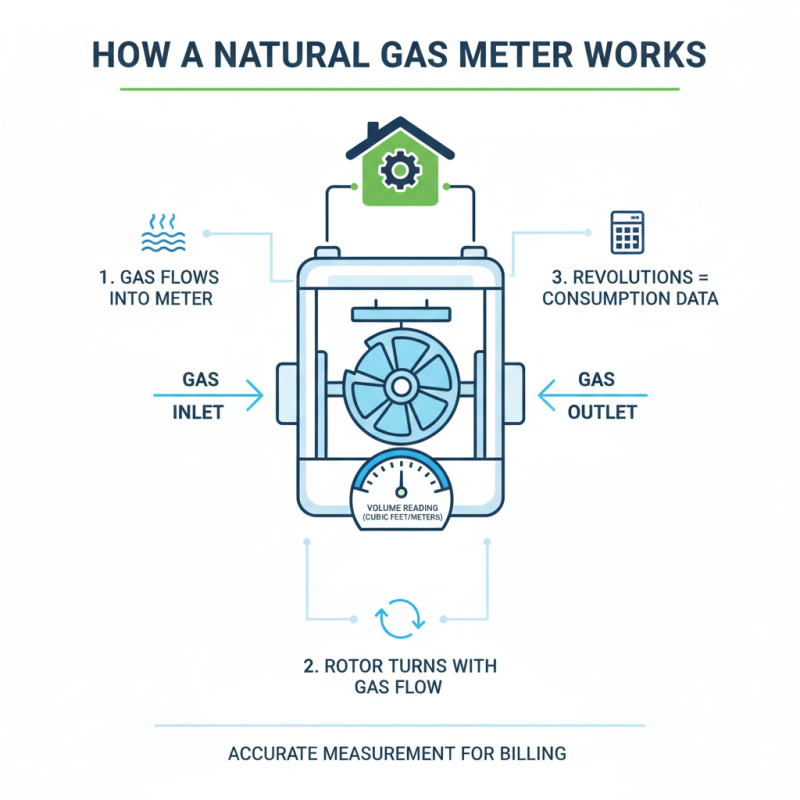
A natural gas meter measures the amount of gas consumed in homes and businesses. This device is essential for ensuring accurate billing. It operates on principles of flow measurement. As gas flows through the meter, it turns a rotor, which counts the revolutions. These revolutions get translated into volume readings.

Understanding how this process works can help users monitor their gas usage. Meters typically display readings in cubic feet or cubic meters. This helps you gauge daily gas consumption. Awareness of usage can prompt energy-saving practices. It's crucial to check your meter regularly.

**Tip:** Keep an eye on your gas meter readings. This can alert you to any unusual spikes in usage. Such spikes might indicate leaks or inefficiencies. Addressing issues early can save on costs.

Another point to reflect on is possible inaccuracies. Meters can wear over time and may need calibration. Regular maintenance checks ensure better performance. Energy efficiency relies not just on how much gas you use, but also how accurately it’s measured.

**Tip:** Consider comparing your meter readings with your billing cycle. If they do not align, contact your service provider.

Types of Natural Gas Meters and Their Applications

Natural gas meters are essential for measuring gas consumption in homes and businesses. There are several types of natural gas meters, each tailored for specific applications. The most common type is the diaphragm meter. It uses a series of chambers to measure the volume of gas. This meter is popular in residential settings due to its accuracy and reliability.

Another type is the rotary meter. This meter is often utilized in commercial environments where large gas volumes are required. It operates through rotating mechanisms that accurately measure gas flow. This meter offers efficiency but can be more complex to maintain. In industrial settings, turbine meters are common. They provide precise measurements at high flow rates but can present challenges in calibration.

Each type of meter has its own strengths and weaknesses. Diaphragm meters are easy to install but may struggle with very high pressure. Rotary meters can offer great performance but can be costly. It's crucial to select the right type based on specific needs to avoid inefficiencies. Understanding these meters can help users make informed choices.

Maintenance and Accuracy of Natural Gas Meters

Natural gas meters play an essential role in measuring gas consumption. They help ensure customers are charged accurately. However, these meters require regular maintenance to function correctly. Dust and debris can hinder their performance. Poor maintenance may lead to inaccuracies.

Routine checks are vital for accurate readings. A technician should inspect the meter at least once a year. Sometimes, homeowners overlook signs of wear and tear. Unattended meters might deliver faulty readings. This could result in unexpected gas bills. Regular calibration can help avoid such issues.

Accuracy is crucial in any utility measurement. Natural gas meters must meet specific standards. However, they can drift over time. When this happens, it affects billing. Consumers should be aware of their meter’s condition. Late detection can prove costly. Regular maintenance not only ensures accuracy but also fosters trust between the provider and the consumer.

What is a Natural Gas Meter and How Does it Work? - Maintenance and Accuracy of Natural Gas Meters

Dimension Description Typical Value
Meter Type Type of natural gas meter used Diaphragm, Turbine, Ultrasonic
Measurement Unit The unit in which gas consumption is measured Cubic Feet (CF), Cubic Meters (CM)
Accuracy Class The accuracy level of the meter Class 1.0, Class 1.5, Class 2.0
Calibration Interval Frequency of calibration to maintain accuracy Every 5 years
Installation Location Common locations for meter installation Inside homes, commercial premises
Maintenance Requirement Required maintenance practices to ensure function Visual inspections, checking for leaks
FrenchBulgaria