NOTICE
We use cookies to improve the user experience and analyze its performance.
As industries strive for efficiency and sustainability, the power monitoring system has become essential. According to a report by MarketsandMarkets, the global power monitoring market is expected to reach USD 5.3 billion by 2026, growing at a CAGR of 6.7%. This growth reflects the increasing need for businesses to optimize energy consumption. A power monitoring system empowers organizations to achieve these goals.
Implementing such systems allows for real-time data collection. Detailed analysis helps identify inefficiencies. A study by Schneider Electric indicates that energy efficiency improvements can save companies up to 30% in energy costs. This potential is significant, yet many organizations still struggle with proper implementation.
In addition to cost savings, these systems enhance reliability. Facilities can prevent equipment failures by monitoring and analyzing power quality. Yet, some businesses fail to realize the full spectrum of benefits. They may overlook the importance of continual updates and staff training. Ultimately, understanding the features and benefits of a power monitoring system can transform operational performance.

Power monitoring systems are essential for efficient energy management. They provide insights into energy consumption and help identify areas for improvement. Understanding these systems starts with recognizing their key features. Real-time monitoring is a standout feature, allowing users to track energy usage immediately. This immediate feedback is crucial for making quick adjustments.
Tips: Identify high-energy consumption areas. Regularly check energy usage patterns. This will help in reducing unnecessary costs.
Another important aspect is data analytics. These systems analyze consumption data over time. Users gain insights into trends and behaviors. This can lead to more informed energy decisions. However, data interpretation can be challenging. Not everyone can quickly understand complex analytics.
Tips: Simplify data reports. Focus on key metrics that matter. Regular training can help enhance understanding among users.
Lastly, integration capabilities matter. A good power monitoring system should work well with existing infrastructure. Yet, integration can sometimes be tricky. Compatibility issues may arise with older systems. This can lead to unexpected expenses and delays.
Tips: Plan integration ahead. Involve IT and electrical experts for better results. Ensure all systems are up-to-date for smoother integration.

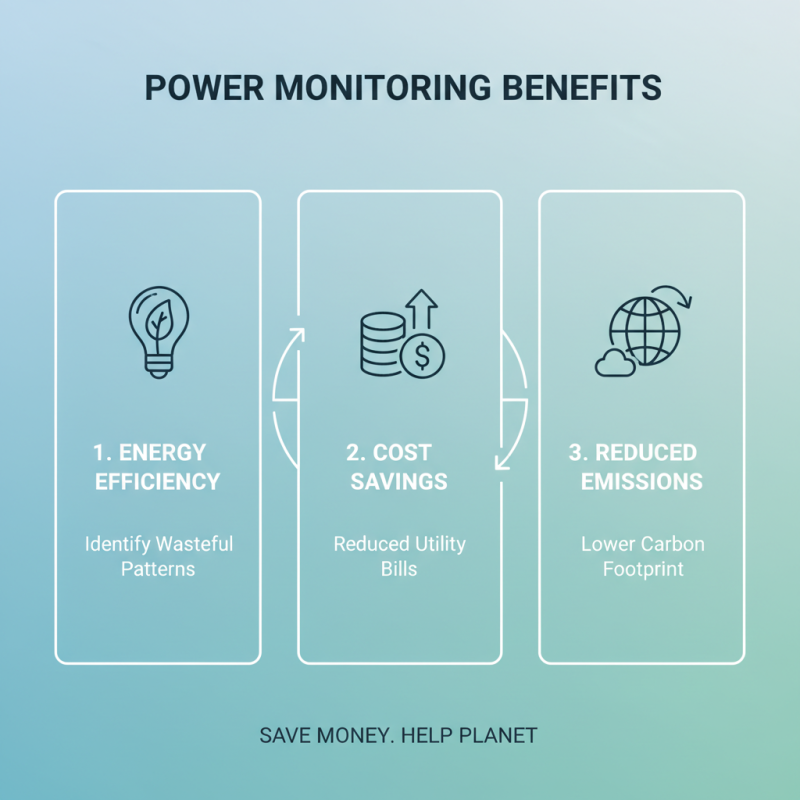
Implementing power monitoring solutions brings numerous benefits. One key advantage is improved energy efficiency. By closely monitoring energy use, businesses can identify wasteful patterns. This leads to targeted actions that save money and reduce carbon emissions.
Another important benefit is enhanced reliability. Power monitoring systems can detect faults or fluctuations quickly. This proactive approach helps prevent outages. It also allows for timely maintenance, which can be overlooked in traditional setups.
Tips: Regularly review your energy data. Look for trends and anomalies. Engage your team in energy-saving initiatives. They might have insights you overlook. Experiment with different monitoring tools to find what suits you best. Always question your current practices; there might be room for improvement. Would a slight change in usage reduce costs?
Power monitoring systems play a crucial role in optimizing energy usage. One key feature is real-time data tracking. This allows businesses to identify energy consumption patterns. Studies show that real-time monitoring can reduce energy costs by up to 30%. Such savings can significantly impact overall operational expenses.
Another important feature is advanced analytics. These systems analyze data trends to provide insights. By understanding usage spikes, companies can adjust their energy strategies. In fact, a report by the International Energy Agency indicates that data-driven decisions help improve efficiency by 20%.
Tip: Regularly review energy reports to spot unusual patterns. This can lead to proactive energy management strategies. Also, consider integrating alerts for unusual consumption, which may indicate inefficiencies. By refining monitoring practices, organizations can continuously improve their energy performance.
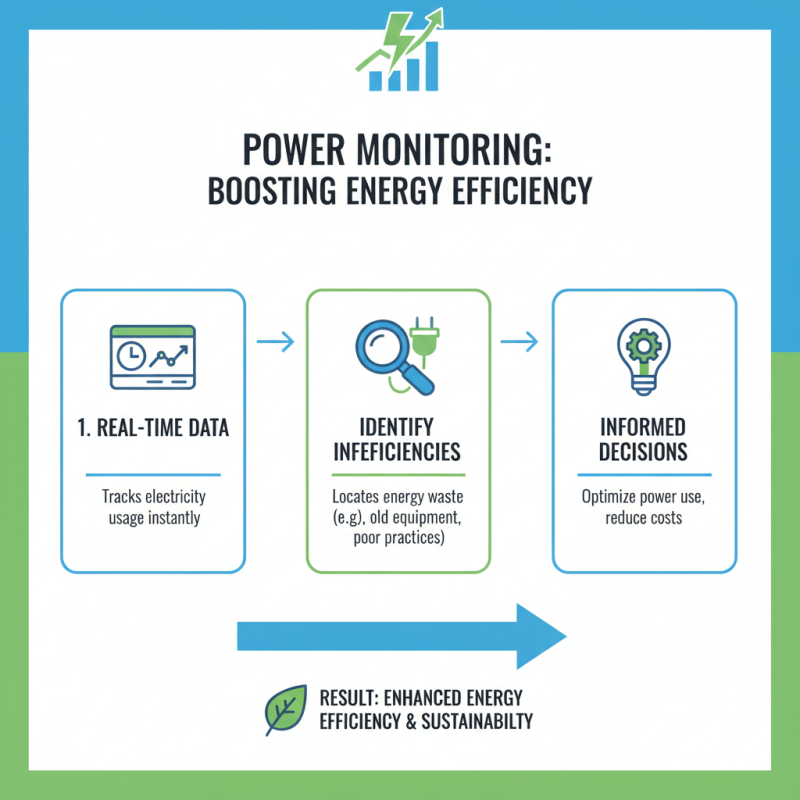
Power monitoring systems play a crucial role in enhancing energy efficiency. By providing real-time data on electricity usage, these systems empower businesses to identify inefficiencies. They can pinpoint areas where energy is wasted, such as outdated equipment or poor practices. The insight gained from monitoring allows for informed decisions on when and how to consume power.
Furthermore, utilizing a power monitoring system can lead to significant cost savings. Organizations that invest in this technology can reduce their energy bills over time. Even small adjustments based on system feedback can yield substantial savings. It's not simply about tracking energy consumption. It’s about understanding and optimizing it. Yet, the journey toward efficiency is often met with challenges. Some may overlook the importance of regular updates to the monitoring system. Others might fail to act on the recommendations provided.
In conclusion, the impact of power monitoring on energy efficiency and cost savings cannot be overstated. While many organizations recognize its value, some still struggle to fully embrace its potential. Real change requires ongoing commitment and adaptation, and this can feel daunting. But the rewards, both financial and environmental, are worth the effort in the long run.
As industries evolve, power monitoring technologies are becoming more sophisticated. These systems now incorporate real-time data analytics. This allows for immediate insight into energy consumption. Users can quickly identify inefficiencies and reduce costs. A user-friendly dashboard can present data in a clear format. Visual representations make complex information easier to digest. However, the integration can sometimes be challenging. Tech issues or data inconsistencies may arise.
The future trends are exciting yet uncertain. Advanced sensors are on the horizon. These devices can predict energy usage patterns. By using machine learning, they adapt to changing conditions. However, this raises concerns about data privacy. Many users worry about how their information is processed and stored. Furthermore, the demand for IoT connectivity is increasing. Power monitoring devices must now communicate seamlessly with other systems. This connectivity introduces new complexities. Managing multiple platforms might require a learning curve for some users.
Automation is also a key trend. Smart systems can manage energy distribution without human intervention. This advancement may lead to more efficient operations. Yet, there are questions about the reliability of fully automated systems. Human oversight may still be necessary to ensure accuracy. Each of these trends carries its own set of challenges. The balance between innovation and practicality must be carefully managed.
| Benefit/Feature | Description | Impact |
|---|---|---|
| Real-time Monitoring | Continuous tracking of power consumption and performance metrics. | Improved operational efficiency and proactive problem-solving. |
| Data Analytics | Advanced algorithms analyze trends and provide actionable insights. | Optimal resource allocation and cost savings. |
| Remote Access | Access power data from anywhere through cloud-based solutions. | Enhanced flexibility and quick response to issues. |
| Alerts and Notifications | Instant notifications for unusual consumption patterns or system failures. | Minimized downtime and maintenance costs. |
| Integration with IoT | Seamless connection with smart devices for more intelligent monitoring. | Enhanced data collection and streamlined operations. |
| Energy Efficiency Management | Tools to analyze and optimize energy use across facilities. | Reduction in energy costs and carbon footprint. |