NOTICE
We use cookies to improve the user experience and analyze its performance.
Understanding how to read a gas meter can significantly impact your monthly bill. A gas meter measures the volume of gas consumed in your home. Knowing how to accurately read it helps you monitor usage and expenses closely.
Many people overlook this handy skill. They trust their utility company completely. However, misreadings can lead to inflated bills. By paying attention, you can catch discrepancies. Incorrect gas meter readings can create confusion when you compare bills.
Reading a gas meter is straightforward but often requires practice. It typically displays numbers in cubic feet or meters. A simple mistake can affect your budget. Gaining this knowledge empowers you to take control of your expenses. So, invest a little time to learn this essential skill. It pays off.
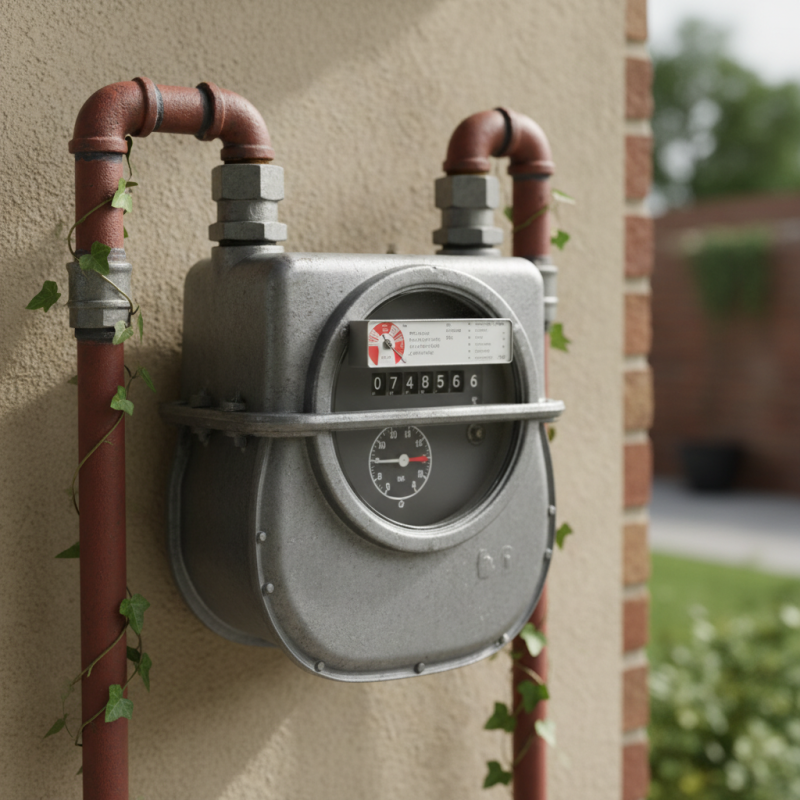
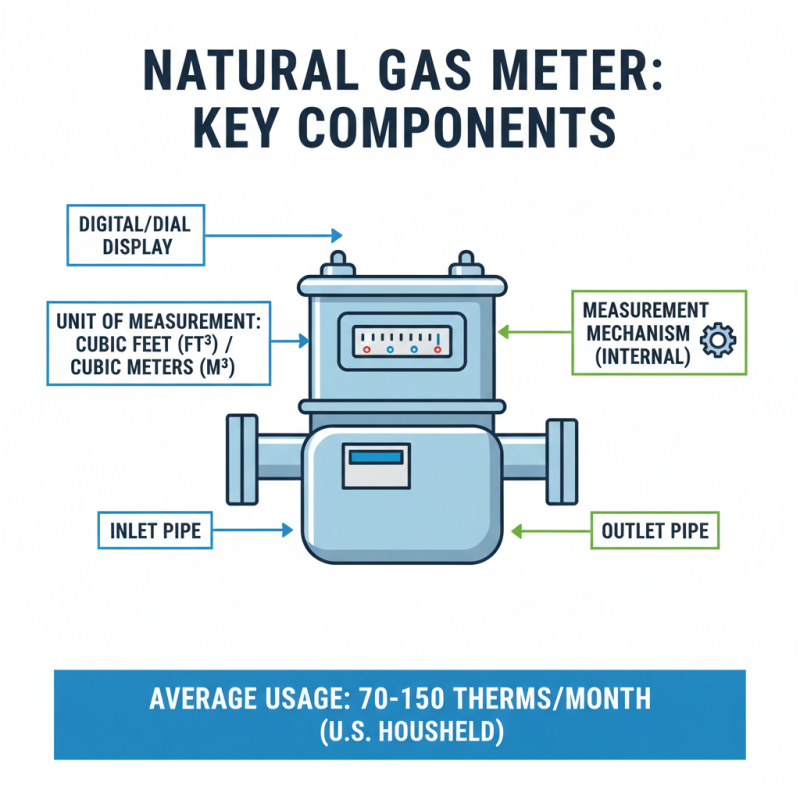
Understanding the components of a gas meter is essential for accurate readings. A typical gas meter has several key parts: the display, dials, and the measurement mechanism. The display shows usage in cubic feet or cubic meters. Daily, households use an average of 70-150 therms of natural gas, according to the U.S. Energy Information Administration.
Dials on older models require manual reading. Each dial represents a different digit. It's critical to note the direction the hands are pointing. Some industry reports indicate that many users misread these dials, leading to incorrect bill estimations.
With modern meters, much of the error is eliminated. Smart meters automatically transmit usage to companies. However, they can still have discrepancies. A 2019 study revealed that up to 5% of smart meters may misreport usage. Always monitor your readings. Understand your usage patterns. Reflect on how these patterns impact your monthly bill.

Identifying different types of gas meters is essential for accurate readings. There are mainly three types:
dials meters, digital meters, and smart meters.
Dial meters feature multiple dials that require careful observation. Each dial rotates in a different direction.
Reading these correctly can be tricky. An error of just one digit can lead to billing discrepancies.
Digital meters display numbers clearly. They are easier to read, reducing the chance of mistakes. However, their
accuracy relies on proper functioning. If you see a blinking light, it could signal a malfunction.
Smart meters automate readings, sending data directly to the utility provider. They offer real-time usage reports.
Still, they may disconnect if there’s a network issue.
Tips for Reading Gas Meters:
- Take readings on a consistent schedule, ideally monthly. Regular checks help identify anomalies.
- Always write down the numbers carefully to avoid confusion later. Inaccurate logs can lead to larger problems.
- If in doubt, consult a professional. Misunderstandings about your meter type can lead to inaccurate bills.
According to recent industry reports, about 20% of utility disputes arise
from incorrect meter readings. These problems are often avoidable with a better understanding of the meter.
Reading a gas meter may seem daunting, but it can be simple. Start by locating the meter, usually found outside your home. Identify the main dial, which records usage. Take a close look at the numbers. Each number represents a unit of gas consumed.
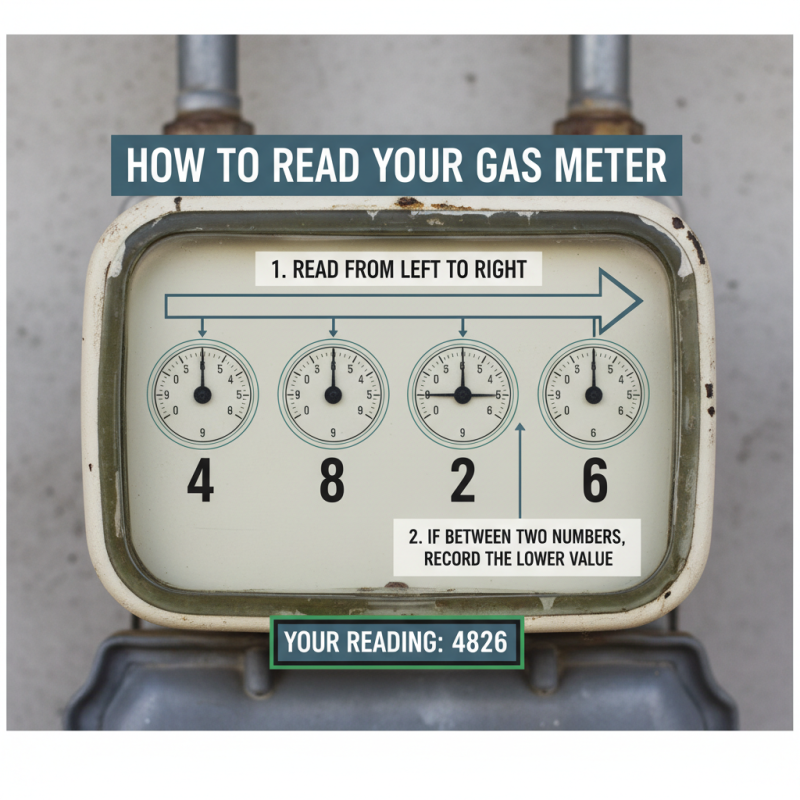
To read the meter accurately, note the numbers from left to right. Ignore any dials in red or the smaller dials that indicate additional units. This can be tricky, especially if the dials are close together. Sometimes, a quick glance can lead to misreading. Be careful and double-check your readings.
Regularly checking the meter can help avoid surprises in your bill. It’s easy to forget, and not everyone does it consistently. That’s where people might miscalculate their gas costs. Take this step seriously to monitor your usage. Familiarizing yourself with the numbers can lead to better control of your expenses.
Reading a gas meter accurately is crucial for calculating your monthly gas usage. To do this effectively, begin by noting the digits on your gas meter. Most meters display four or five main dials, which measure in cubic feet or meters. Each dial spins in different directions. Be sure to read from left to right, recording only the numbers that have fully passed. If a dial is between two numbers, take the lowest value.
For instance, if your meter shows 1234, you have used 1,234 cubic feet of gas. According to the U.S. Energy Information Administration, the average household uses approximately 60 million British thermal units (BTUs) per month. This consumption varies based on factors like the size of the home and the efficiency of appliances. Recognizing this can help in estimating costs based on local gas rates.
Calculating your monthly bill involves understanding the cost per unit of gas used. If the average price is $1.00 per 1,000 cubic feet, then 1,234 cubic feet would cost about $1.23. However, many people struggle with consistent monitoring. Life can distract from tracking these figures anyway. Neglecting to record your meter readings regularly can lead to discrepancies. It’s vital to make it a monthly habit.
Reading your gas meter accurately is crucial for managing your monthly bills. To get the best readings, focus on keeping your meter in good condition. Regular maintenance can help prevent errors.
Consider checking the meter box for any debris. Clear any leaves or obstructions that could interfere with the reading. Ensure the display is visible. Darkness or dirt can obscure the numbers.
Check the readings monthly. Consistent tracking allows you to spot any irregularities. If you notice a sudden increase in your usage, investigate. Look for leaks or faulty appliances. These can lead to inflated bills and are worth addressing.
Additionally, educate your household about how to read the meter. Share this knowledge with family members. They might help when you're busy or away. Communication is key in maintaining accurate readings.