What is a Temperature and Humidity Data Logger and How Does It Work
In today's highly regulated environments, maintaining optimal conditions for sensitive materials is crucial. A temperature and humidity data logger plays an essential role in this process, offering precise monitoring of environmental conditions. According to Dr. Emily Clarke, a leading expert in environmental data analytics, "The accuracy and reliability of temperature and humidity data loggers are vital for industries ranging from pharmaceuticals to food storage." This statement underscores the importance of these tools in ensuring product integrity and compliance with safety standards.
Temperature and humidity data loggers function by continuously measuring and recording environmental data over time, providing users with crucial insights into the conditions their products are exposed to. These devices utilize advanced sensors and data storage capabilities that allow for real-time monitoring and alerts in case of any deviations from preset thresholds. The significance of these loggers extends beyond mere data collection; they help businesses mitigate risks, improve operational efficiency, and enhance quality control.
In an era where data-driven decision-making is paramount, understanding the workings of a temperature and humidity data logger empowers industries to safeguard their assets while ensuring the highest quality standards. Awareness of how these devices operate and their applications can lead to improved practices across various sectors, ultimately benefiting both producers and consumers alike.
What is a Temperature and Humidity Data Logger?
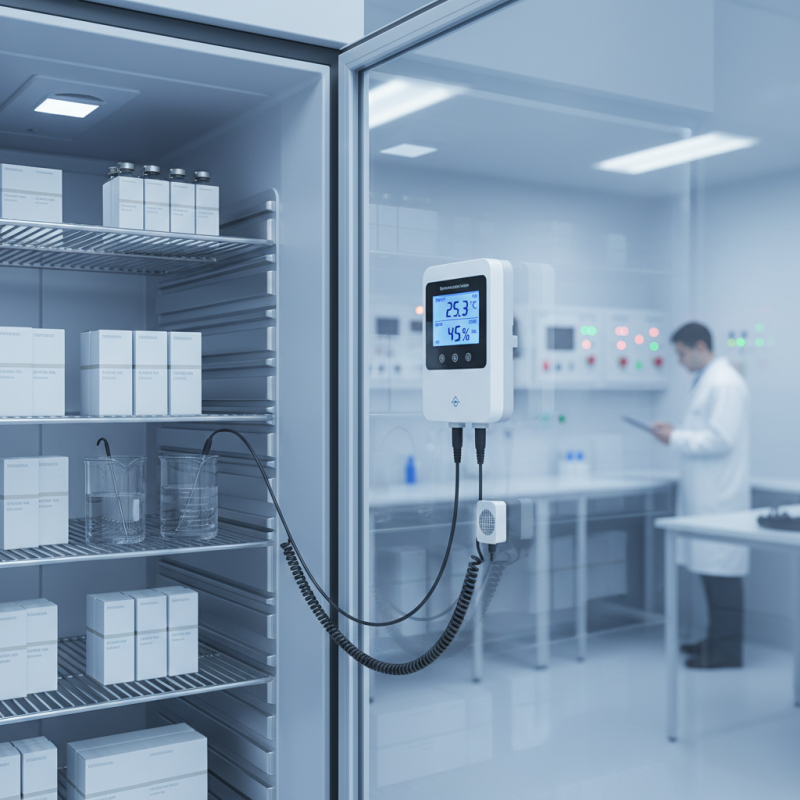
A temperature and humidity data logger is a compact electronic device used to monitor and record environmental conditions over time. These loggers are equipped with sensors that track temperature and humidity levels, providing valuable data for various applications, including storage, transportation, and agricultural environments. The ability to log data remotely makes these devices particularly useful in settings where consistent monitoring is essential, such as in pharmaceuticals, food safety, and climate research.
One of the key features of temperature and humidity data loggers is their ability to store data internally, allowing for later analysis without the need for continuous supervision. Users can typically access the logged data through interfacing software that facilitates exporting and analyzing the information effectively. This can help organizations ensure compliance with safety protocols and maintain optimal conditions for their products, which ultimately results in improved quality control and risk management.
Tips: When selecting a data logger, consider the device's measurement range and accuracy to ensure it meets your specific needs. Additionally, look for models with sufficient memory capacity to handle the duration of your monitoring project. Regularly calibrating your data logger also ensures that you receive accurate readings, enabling better decision-making based on the collected data.
Key Components of a Temperature and Humidity Data Logger
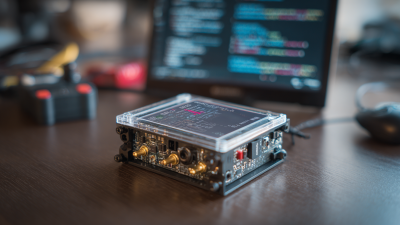
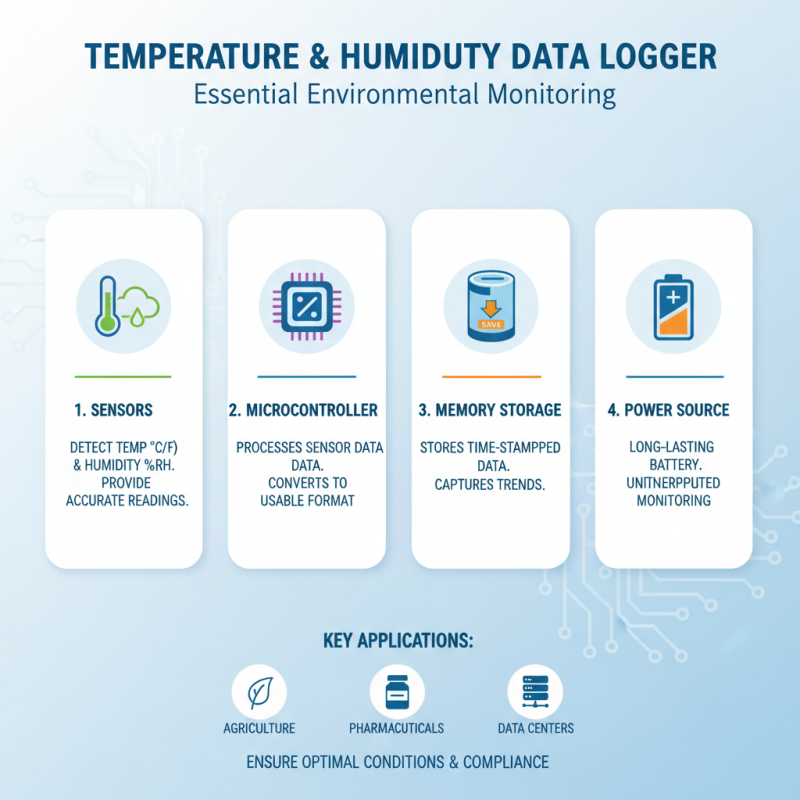
A temperature and humidity data logger is an essential tool for monitoring environmental conditions in various applications. The key components of such a device include sensors, a microcontroller, memory storage, and a power source. The sensors are crucial as they detect changes in temperature and humidity levels, providing accurate readings that are vital for many industries, from agriculture to pharmaceuticals. The microcontroller processes the data collected by the sensors, converting it into a usable format and making it ready for storage.
The memory storage in a data logger is where all recorded data is kept, typically enabling the logger to store a significant amount of information over time. This is especially important in scenarios where continuous monitoring is necessary. The power source, often a battery, allows for portability and operation in remote locations without access to conventional power supplies.
**Tips:** When setting up a data logger, ensure that the sensors are calibrated correctly to avoid inaccurate measurements. Additionally, regularly check the battery life to maintain uninterrupted data collection. Proper placement of the data logger can also influence its performance; for instance, avoid placing it near heat sources or direct sunlight to get the most accurate readings.
How Temperature and Humidity Data Loggers Function
Temperature and humidity data loggers are essential tools in various industries, providing precise monitoring of environmental conditions. They typically consist of sensors that measure temperature and humidity, a data storage system, and a means of transferring this information for analysis. By employing advanced sensors, these devices can record data at set intervals, capturing fluctuations in environmental conditions that may impact product quality or safety. According to a report by Research and Markets, the global temperature and humidity data logging market is expected to grow, driven by increasing demand in sectors such as food and beverage, pharmaceuticals, and agriculture, where environmental conditions are critical.
The functionality of these loggers is rooted in their ability to continuously monitor and document changes over time. Most modern devices are equipped with wireless technology, allowing for real-time data transmission to centralized systems where it can be analyzed for trends and anomalies. This capability is crucial in compliance-driven industries, as it ensures adherence to regulations regarding storage and handling conditions. A study from Technavio estimates that the implementation of data loggers reduces monitoring-related errors by over 30%, illustrating their effectiveness in maintaining quality control. As these devices evolve, incorporating IoT capabilities, they offer even greater integration into smart monitoring systems, further enhancing operational efficiencies across various sectors.
Temperature and Humidity Data Logger - Sample Data Visualization
Applications and Industries Utilizing Data Loggers
Temperature and humidity data loggers play a crucial role in various industries by monitoring environmental conditions to ensure optimal performance and compliance. One primary application is in the food and beverage sector, where maintaining specific temperature and humidity levels is essential for food safety and quality. Data loggers are employed to track conditions during storage and transportation, providing crucial data that helps companies adhere to regulatory standards and reduce spoilage risks.
Another significant application is in pharmaceuticals and healthcare. Data loggers are vital for monitoring the storage environments of sensitive medications and vaccines, as deviations from recommended conditions can compromise efficacy. Additionally, laboratories utilize these devices to maintain precise environmental conditions for experiments, ensuring valid results and the integrity of samples. The versatility of temperature and humidity data loggers makes them indispensable tools across multiple sectors, from manufacturing to agriculture, enhancing operational efficiency and safety.
Benefits of Using Temperature and Humidity Data Loggers
Temperature and humidity data loggers are invaluable tools for a variety of industries, providing precise monitoring of environmental conditions. One of the primary benefits of using these devices is their ability to ensure compliance with safety and quality standards. In sectors such as pharmaceuticals, food storage, and laboratory research, maintaining specific temperature and humidity ranges is crucial. Data loggers offer continuous monitoring, alerting users to any deviations that could compromise the integrity of products or experiments, thus mitigating risks and ensuring adherence to regulations.
Another significant advantage of temperature and humidity data loggers is the wealth of data they provide. By recording environmental conditions over time, these devices enable users to analyze trends, identify potential issues, and make informed decisions for future operations. For instance, businesses can optimize their storage conditions based on historical data, ultimately leading to better product quality and reduced waste. Furthermore, many data loggers offer remote monitoring capabilities, allowing organizations to track conditions in real-time and respond promptly to any irregularities, enhancing operational efficiency and accountability.