NOTICE
We use cookies to improve the user experience and analyze its performance.
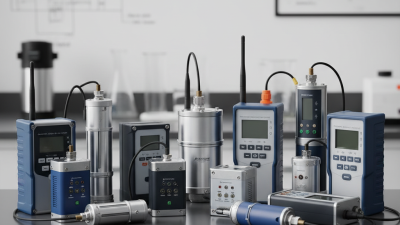
In various industries, maintaining optimal environmental conditions is paramount. The importance of accurately monitoring temperature and humidity cannot be overstated. For instance, studies reveal that 20% of pharmaceuticals degrade due to improper storage conditions. This highlights the role of a temperature humidity data logger in safeguarding sensitive products.
Temperature fluctuations and humidity spikes can lead to significant losses. A temperature humidity data logger provides real-time tracking and data collection. Such devices help industries comply with regulations, especially in food and healthcare sectors. A recent report noted that 30% of food spoilage occurs due to inadequate temperature control. This statistic underscores the need for reliable monitoring tools.
Moreover, while many businesses recognize the necessity of tracking conditions, few invest in robust monitoring systems. Some organizations rely on outdated methods. This can lead to costly errors and missed opportunities. A modern temperature humidity data logger can mitigate these issues. It offers precise data that can enhance decision-making and improve overall efficiency.
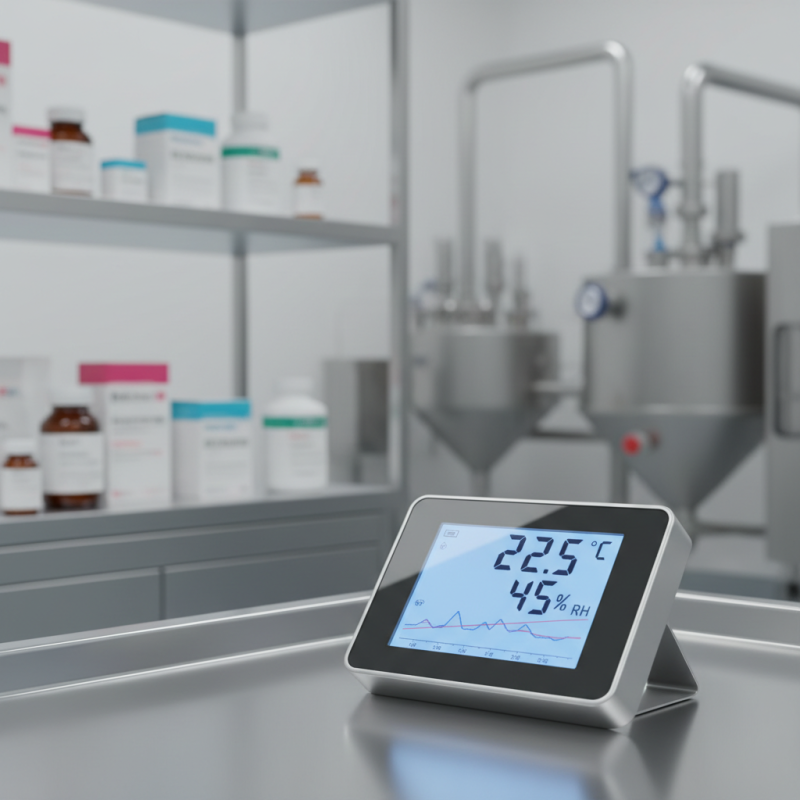
Temperature and humidity play crucial roles in many industries. Proper monitoring can significantly impact product quality and safety. For instance, the pharmaceutical industry strictly requires specific temperature ranges for drug storage. A study found that 30% of drugs lose efficacy when stored above recommended conditions.
In food storage, maintaining optimal humidity levels can prevent spoilage. The USDA reports that improper humidity can lead to mold growth, affecting food safety. Livestock farming also hinges on temperature control. Animals under heat stress show decreased productivity, as per data from veterinary research.
Many facilities lack efficient monitoring systems. They realize the importance after financial losses occur. Regular data logging can prevent such issues. Failure to monitor means risking product integrity and public health. Companies must proactively address these risks by investing in technology that allows for real-time tracking of environmental conditions.
| Industry | Optimal Temperature (°C) | Optimal Humidity (%) | Importance of Monitoring |
|---|---|---|---|
| Food Storage | 0 to 4 | 30 to 50 | Prevent spoilage and ensure safety. |
| Pharmaceuticals | 15 to 25 | 40 to 60 | Maintain efficacy of medications. |
| Museums | 20 to 22 | 45 to 55 | Protect artifacts and prevent damage. |
| Greenhouses | 18 to 26 | 60 to 80 | Ensure optimal plant growth conditions. |
| Data Centers | 20 to 24 | 45 to 55 | Prevent equipment overheating and failures. |
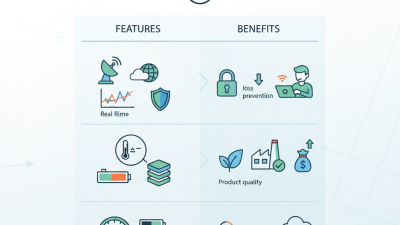
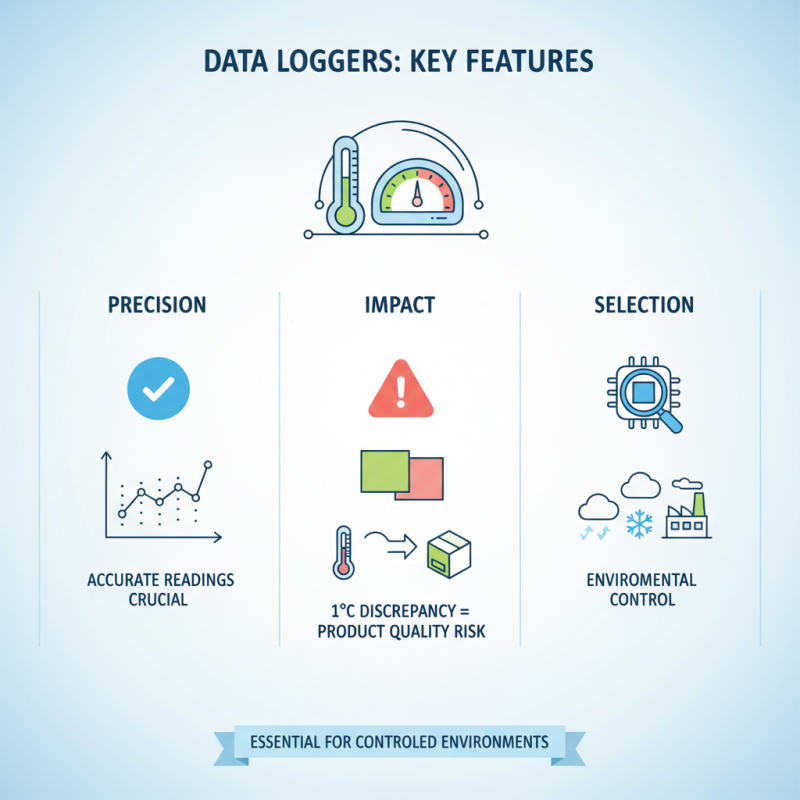
Temperature humidity data loggers are essential for various environments. When selecting a data logger, certain features stand out. Look for devices that offer precision in temperature and humidity measurement. Accurate readings are crucial. Studies indicate that a discrepancy of just 1°C can significantly impact product quality in controlled environments.
Battery life is another vital feature. A short battery life can lead to data gaps. Choose loggers with long-lasting batteries, preferably over one year. Additionally, consider devices with a large memory capacity. This allows for extensive data collection, which can be valuable for analysis. Many studies suggest that continuous monitoring can reduce spoilage rates by up to 30%.
Finally, user-friendly software is essential. It enhances the data analysis process, enabling users to visualize trends. Reports suggest that over 40% of users find complex software challenging. A straightforward interface can simplify operations. Don't overlook alarms and alerts. They serve as immediate reminders to address critical deviations. Data loggers should not only collect data but also help in taking timely actions.
Maintaining optimal temperature and humidity levels is crucial in various industries. Compliance with industry standards ensures products and processes remain within safe limits. For example, pharmaceuticals and food production have specific guidelines that must be followed. Deviating from these regulations can lead to serious consequences, including spoilage or safety issues.
Temperature and humidity data loggers play a vital role in monitoring these conditions. They provide real-time data, enabling timely adjustments. Without proper monitoring, many facilities risk being out of compliance. This could result in financial losses and damage to their reputation.
Organizations often overlook the importance of routine checks. It’s easy to become complacent when systems seem to operate smoothly. However, slight variations can lead to bigger problems down the line. Investing in reliable data logging ensures consistency and adherence to guidelines. This is not just about meeting standards; it is about sustaining quality.
This chart displays the average temperature and humidity levels over seven months. Maintaining optimal levels of temperature and humidity is crucial for environment control, ensuring product integrity and compliance with industry standards.
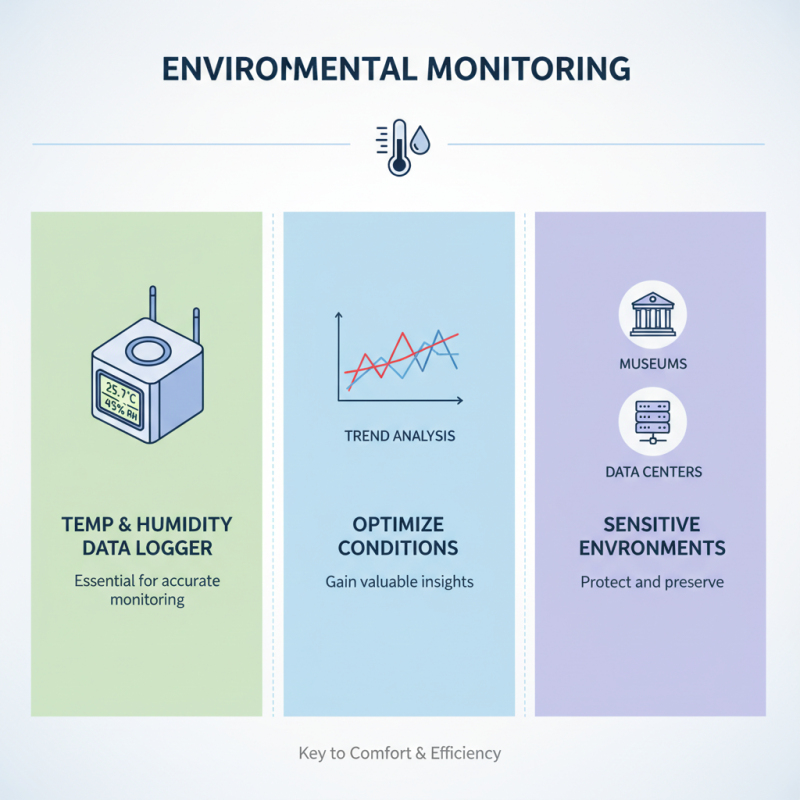
To monitor environmental conditions effectively, a temperature humidity data logger is essential. Analyzing humidity and temperature trends provides valuable insights. These insights help optimize living and working conditions, especially in sensitive environments like museums or data centers.
Tracking trends over time can reveal patterns that are not immediately obvious. For instance, increased humidity in a storage room may indicate a leak. Likewise, a consistent rise in temperature could signal malfunctioning equipment. Addressing these issues promptly can save resources and prevent damage.
Tips: Regularly check your data logger's calibration. An inaccurate logger can lead to misleading data. Also, compare readings against external reports to ensure accuracy. Creating visual representations of your data can make trends clearer. Charts or graphs can highlight fluctuations over time, turning numbers into actionable insights.
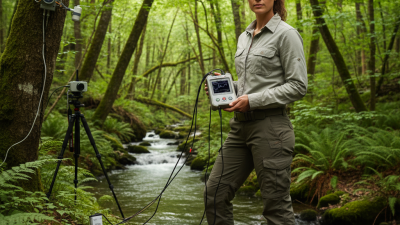
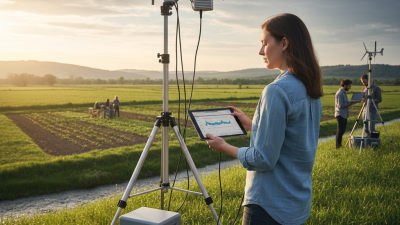
Temperature and humidity data loggers are vital tools in environmental management. They help monitor conditions in various settings. For instance, in agriculture, farmers use data loggers to track soil moisture and air temperature. This information is crucial for crop health. If conditions are too dry or too humid, crops can suffer. The data enables farmers to make informed decisions.
In the realm of food safety, data loggers protect perishable goods. They ensure storage rooms and transportation methods maintain optimal conditions. A small malfunction could spoil hundreds of units. By logging real-time data, businesses can avoid losses. They can respond quickly to any abnormalities.
However, not all environments are monitored efficiently. Some industries still rely on manual checks. This can lead to oversight. The data logging might become inconsistent. It's vital to regularly calibrate devices. Only then can we trust the readings. Otherwise, inadequate monitoring can create significant risks. Investing in reliable monitoring solutions is necessary for sustainable practices.