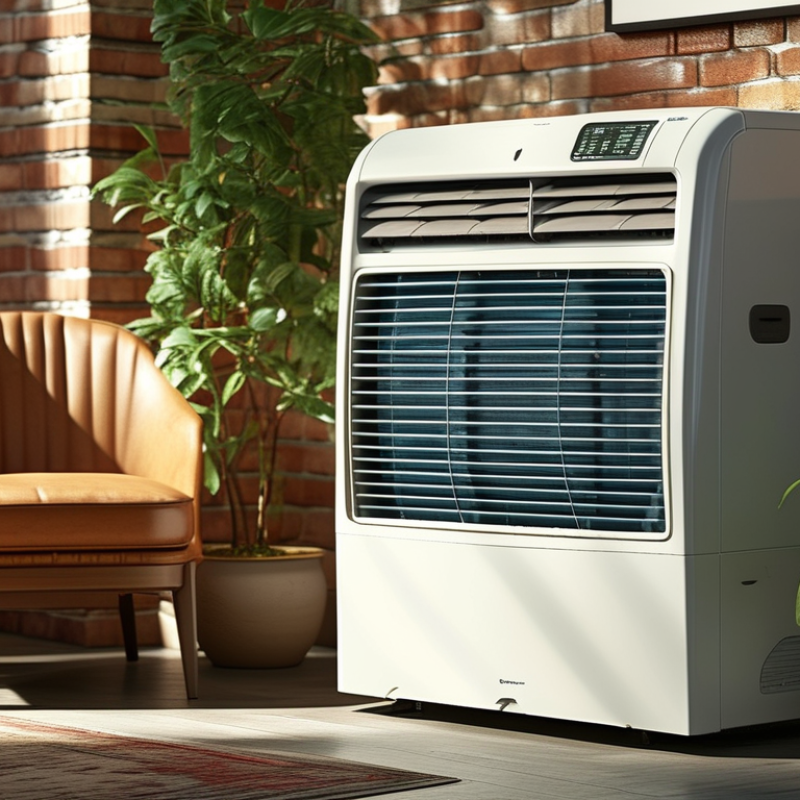
Essential Tips for Choosing the Right Air Conditioner Condenser?
Selecting the right Air Conditioner Condenser is crucial for energy efficiency and comfort. According to the U.S. Department of Energy, well-chosen condensers can improve air conditioning efficiency by up to 50%. This not only reduces energy bills but also enhances the lifespan of your system.
Expert advice emphasizes understanding your space before making a choice. Factors like room size, insulation quality, and climate play significant roles. Misjudgments can lead to frequent breakdowns and increased maintenance costs. A condenser rated higher than necessary may waste energy, while an undersized unit struggles to cool adequately.
Navigating these decisions is complex. Statistics show that 30% of consumers regret their HVAC choices within the first year. Reflecting on past decisions can help you avoid similar pitfalls. Prioritize quality and compatibility to ensure long-term satisfaction.
Understanding Air Conditioner Condenser Types and Their Efficiency Ratings
When choosing an air conditioner condenser, it's vital to understand the different types available. Central air conditioning systems typically feature either split-system or packaged units. Split systems offer efficient cooling and better electricity usage. According to the U.S. Department of Energy, these systems can achieve efficiency ratings (SEER) above 20, which significantly reduces energy costs.
Another common type is ductless mini-split systems. They are ideal for homes without existing ductwork. The efficiency ratings for these systems can also exceed SEER 25. This high efficiency means lower energy bills but often comes with a higher upfront cost. It's essential to consider the long-term gains against the initial investment.
However, buyers should remain cautious. Efficiency ratings can be misleading if not paired with proper installation. Poor installation can decrease the expected efficiency by as much as 30%. Therefore, always ensure you work with certified professionals who understand the nuances of air conditioning systems. Balancing initial costs with long-term energy savings is crucial for making the right decision.
Essential Tips for Choosing the Right Air Conditioner Condenser
| Condenser Type | Efficiency Rating (SEER) | Cooling Capacity (BTU) | Noise Level (dB) | Price Range ($) |
| Central Air Conditioning | 13-21 | 24000-60000 | 60-70 | 2500-6000 |
| Ductless Mini-Split | 16-30 | 9000-36000 | 30-50 | 1500-3000 |
| Window Air Conditioner | 10-14 | 5000-24000 | 50-80 | 150-700 |
| Portable Air Conditioner | 8-15 | 8000-15000 | 50-75 | 250-900 |
Evaluating the Size of Your Air Conditioner Condenser for Optimal Performance
Choosing the right size air conditioner condenser is crucial for effective cooling. An undersized unit struggles to maintain temperature, leading to frequent breakdowns. According to the U.S. Department of Energy, an air conditioner should remove 12,000 BTUs per hour for a standard 500 square feet room. An inefficient system can waste energy and inflate electricity bills.
It’s important to consider not just the square footage of your room, but also factors like ceiling height and insulation. A poorly insulated space may need a larger condenser. Studies show that nearly 30% of homes lack proper insulation. Without it, your air conditioner may work harder than necessary, making it less reliable over time.
Sizing a condenser involves complex calculations. A professional evaluation can provide insights into your home’s specific cooling needs. It’s advisable to seek expertise rather than relying solely on DIY sizing charts. The risk of choosing the wrong size is significant. A miscalculated choice can lead to discomfort and costly repairs.
Assessing Energy Efficiency Ratings (SEER and EER) for Cost Savings
Choosing the right air conditioner condenser requires careful evaluation of energy efficiency ratings. Two essential ratings to consider are SEER (Seasonal Energy Efficiency Ratio) and EER (Energy Efficiency Ratio). These metrics help determine how efficiently an air conditioner converts electricity into cooling power. Higher ratings usually indicate better efficiency, which can lead to significant cost savings on energy bills.
Understanding SEER and EER can be confusing. SEER measures efficiency over a cooling season, while EER measures efficiency at specific conditions. A unit with a high SEER is ideal for warmer climates, as it reflects performance over time. However, don't overlook EER, especially if you live in an area with fluctuating temperatures. This rating can indicate how well a unit performs during peak heat.
When assessing these ratings, consider your budget and cooling needs. A higher-rated unit often comes with a higher price tag, so weigh the upfront costs against potential long-term savings. It might be tempting to go for the lowest price, but this decision could lead to higher energy costs in the future. Choosing wisely requires balancing efficiency with affordability.
Exploring Noise Levels and their Impact on Comfort in Air Conditioner Condensers
When selecting an air conditioner condenser, noise levels are a crucial factor to consider. A loud unit can disrupt the comfort of your home, affecting everyday life. Many homeowners underestimate how noise impacts their relaxation. A quiet condenser can create a peaceful environment, while a noisy one can be intrusive during quiet evenings or family gatherings.
It is essential to pay attention to decibel ratings. A unit rated below 60 decibels is generally acceptable for residential settings. However, ideal levels range even lower, between 50 and 55 decibels. Knowing these figures aids decision-making. Also, consider the placement of your condenser. Installing it away from sleeping areas can mitigate noise disturbance but may not always be feasible.
Choosing the right model also plays a role in sound level. Units designed with noise-reduction technology often operate more quietly. However, they can come with higher price tags, prompting some to overlook their benefits. Balancing budget and comfort is an ongoing challenge. It’s vital to reflect on your lifestyle needs and how noise levels from your air conditioner can affect your everyday comfort.
Noise Levels of Different Air Conditioner Condensers
Recognizing Maintenance Needs and Lifespan of Different Condenser Models
When selecting an air conditioner condenser, understanding maintenance needs and lifespan is crucial. Different models can vary significantly in durability and upkeep requirements. For example, a study by the North American Technician Excellence (NATE) showed that regular maintenance can enhance efficiency by up to 15%. Neglecting this can lead to a shorter lifespan and decreased performance.
Typically, condensers last about 10 to 15 years. However, this lifespan can fluctuate based on maintenance practices. Units frequently cleaned and checked can outperform neglected counterparts. Experts recommend annual servicing, which can prevent minor issues from escalating. Signs of wear include unusual noises and decreased cooling ability. Homeowners should be aware that skipping maintenance can reduce a unit's lifespan by several years.
In terms of model types, higher-end units often boast better durability. Yet, they also come with complexities requiring specialized care. A recent report indicated that nearly 30% of homeowners ignore maintenance needs, resulting in costly repairs. Each condenser has unique service requirements. Understanding these nuances can help make informed choices that maximize lifespan and efficiency.