What is a Vertical Turning Center Machine and How Does it Work?
A Vertical Turning Center Machine is a sophisticated tool in modern manufacturing. It offers unique advantages in precision machining. This machine is designed for turning operations, facilitating the production of complex parts efficiently.
The vertical design enhances accessibility and visibility during the machining process. Operators can easily monitor the workpiece, ensuring quality control and minimizing errors. These machines are commonly used in various industries, including aerospace and automotive.
However, mastering the Vertical Turning Center Machine requires skill and experience. New operators may struggle with setup and programming. Continuous training and practice are crucial for optimizing performance and achieving high standards. Understanding the machine's capabilities and limitations is key to success in production environments.
What is a Vertical Turning Center Machine?
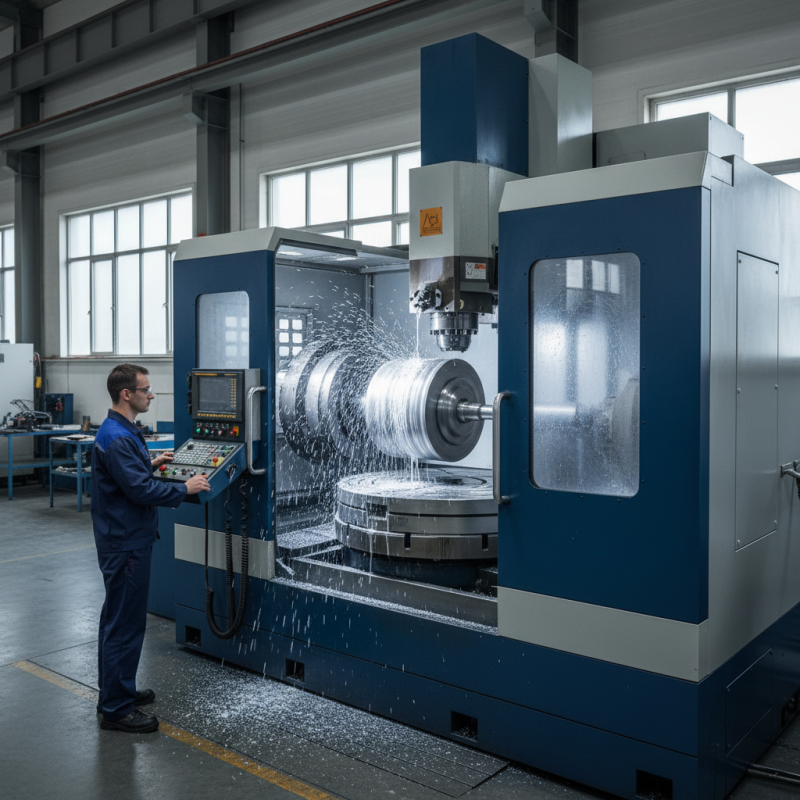
A Vertical Turning Center (VTC) machine is a key player in modern machining. It specializes in turning operations for large, heavy workpieces. The design features a vertical spindle, which provides stability and precision during machining. Reports indicate that VTC machines greatly enhance efficiency by reducing setup time by as much as 30%.
These machines excel in applications like automotive and aerospace industries, where precision is critical. The configuration allows for ease of loading and unloading. Manufacturers often report increased productivity when using VTC machines for complex components. They can tackle tasks such as milling, drilling, and even grinding.
**Tip:** When selecting a VTC, consider the weight capacity and spindle speed. These factors greatly influence overall machining performance.
Operators should be aware of potential challenges. Training is essential to maximize the machine's capabilities. Misalignment or incorrect tooling can lead to costly errors.
**Tip:** Regular maintenance checks can prevent downtime and ensure consistent performance. Keeping tools sharp and machines clean is vital for optimal results.
Key Components of a Vertical Turning Center
A Vertical Turning Center (VTC) is a specialized machine tool used in the manufacturing sector. It efficiently performs turning operations on various materials. Understanding its key components helps optimize its functionality.
The main components of a Vertical Turning Center include the spindle, turret, and worktable. The spindle is crucial for holding and rotating the workpiece. It allows for high-speed operations, which enhance productivity. The turret, often equipped with various cutting tools, enables rapid tool changes. This feature minimizes downtime and improves machining efficiency. The worktable supports the part and provides stability during operations.
Another noteworthy component is the control system. Modern VTCs incorporate advanced computer numerical control (CNC) technology. This increases precision in machining and reduces human error. However, the complexity of these systems can be overwhelming for some operators. Regular training and practice are essential. Misunderstanding programming features could lead to mistakes in production. Maintaining and calibrating equipment regularly ensures optimal performance and longevity.
What is a Vertical Turning Center Machine and How Does it Work? - Key Components of a Vertical Turning Center
| Component | Description | Material | Function |
| Spindle | The rotating axis that holds and drives the workpiece. | High-Speed Steel (HSS) or Carbide | Provides the necessary rotation speed for machining. |
| Turret | Holds various cutting tools and allows for quick changes. | Steel or Aluminum | Enables multiple operations without manual tool changes. |
| Chuck | Grips the workpiece securely during machining. | Steel | Holds workpieces in place for precision cutting. |
| Control System | Manages the operations and parameters of the machine. | Electronic Components | Allows for programming and adjustments during operation. |
| Coolant System | Supplies coolant to the cutting area to reduce heat. | Plumbing and Pumps | Maintains optimal cutting conditions and extends tool life. |
How Vertical Turning Centers Operate
Vertical turning centers are advanced machines designed for precise machining of large, heavy components. They utilize a vertical spindle orientation, which enables efficient cutting. The workpiece is secured in a rotating chuck, while the cutting tool is mounted on a stationary arm. This setup allows for effective chip removal and better access to the workpiece.
During operation, the spindle rotates the workpiece, while the cutting tool moves in various directions. This ensures that the tool can engage with the material efficiently. Operators must pay close attention to the feed rates and spindle speeds. Incorrect settings can lead to poor surface finishes or tool wear.
**Tips:** Always check the alignment of your workpiece before starting. A misaligned piece can cause vibrations and inaccuracies. Regular maintenance of the machine is crucial. This prevents unexpected breakdowns and prolongs the life of your equipment. Finally, don’t hesitate to experiment with different cutting techniques. There’s always something new to learn in machining.
Vertical Turning Center Machine Performance Insights
Applications of Vertical Turning Center Machines
Vertical Turning Center Machines are versatile tools in modern manufacturing. They excel in handling large, heavy workpieces. Many industries use them for precision machining of metals, plastics, and composites. In aerospace, these machines produce engine components. Their ability to perform various operations makes them invaluable.
Manufacturers often choose Vertical Turning Centers for their efficiency. They can handle complex geometries quickly. In automotive production, these machines create critical parts like gears and shafts. The precision required in these applications is crucial for performance and safety. Operators appreciate the ease of programming and setup. Yet, some users find the learning curve steep.
Other applications include medical device manufacturing and energy sector components. For instance, machining turbine housings requires exact specifications. While Vertical Turning Centers offer great capabilities, they can be expensive. Companies must weigh the benefits against their budgets. Issues can arise if maintenance is overlooked. Regular servicing is essential to ensure optimal performance.
Advantages of Using Vertical Turning Centers in Manufacturing
Vertical turning centers are revolutionizing manufacturing processes. These machines use a vertical spindle to hold workpieces in place while cutting tools remove material. This design allows for more efficient processing of heavy or complex parts. Unlike traditional horizontal lathes, vertical turning centers minimize space and provide better access for operators.
One major advantage is improved accuracy. The vertical alignment helps ensure consistency during machining. Additionally, the compact design reduces the risk of errors caused by vibrations or misalignments. Operators often find it easier to monitor the cutting process with a clear line of sight. This not only enhances safety but also increases productivity.
However, relying on vertical turning centers may present challenges. The learning curve for operators can be steep, leading to initial mistakes. Moreover, certain complex geometries may require additional fixtures, which can slow down production. Despite these drawbacks, the benefits of increased accuracy and efficiency make vertical turning centers valuable in modern manufacturing.