NOTICE
We use cookies to improve the user experience and analyze its performance.
Water scarcity and pollution are pressing global challenges. According to a 2021 report by the World Health Organization, over 2 billion people lack access to safely managed drinking water. A water monitoring system plays a crucial role in addressing these issues by tracking water quality and availability. It utilizes various technologies, including sensors and data analytics, to provide real-time insights.
The effectiveness of water management relies heavily on accurate data. A study from the Environmental Protection Agency emphasizes that reliable monitoring can reduce waterborne diseases by up to 50%. These systems not only measure physical parameters like pH and turbidity but also detect harmful contaminants. Implementing a robust water monitoring system can lead to informed decision-making and sustainable practices.
Despite the advancements, challenges remain. Technical glitches and data interpretation can hinder effective use. Many regions still lack the infrastructure needed for comprehensive monitoring. As we strive to improve access and safety, it is clear that an efficient water monitoring system is essential for sustainable water management in an increasingly scarce resource landscape.
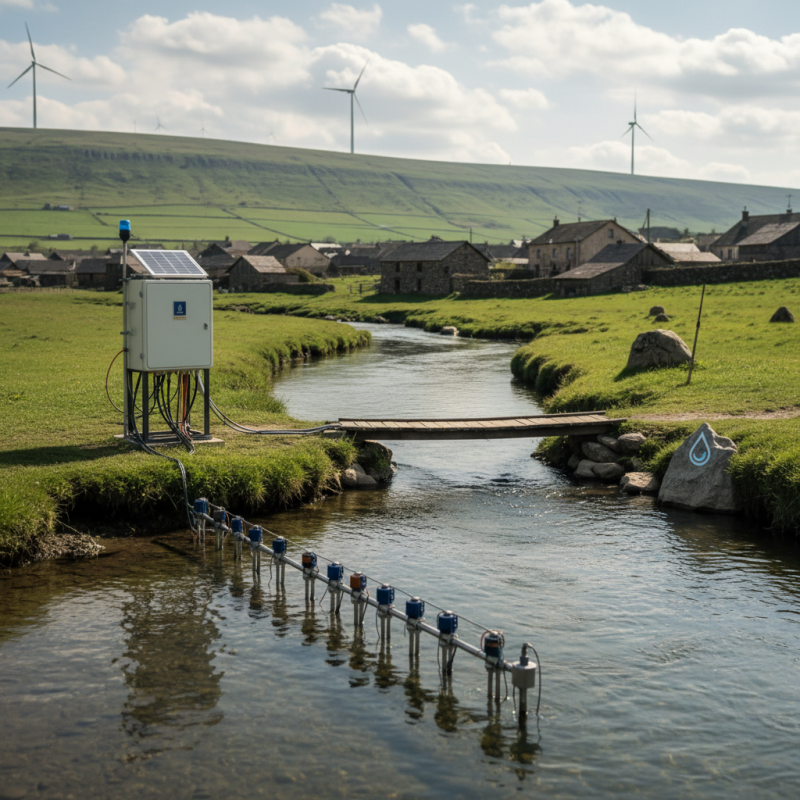
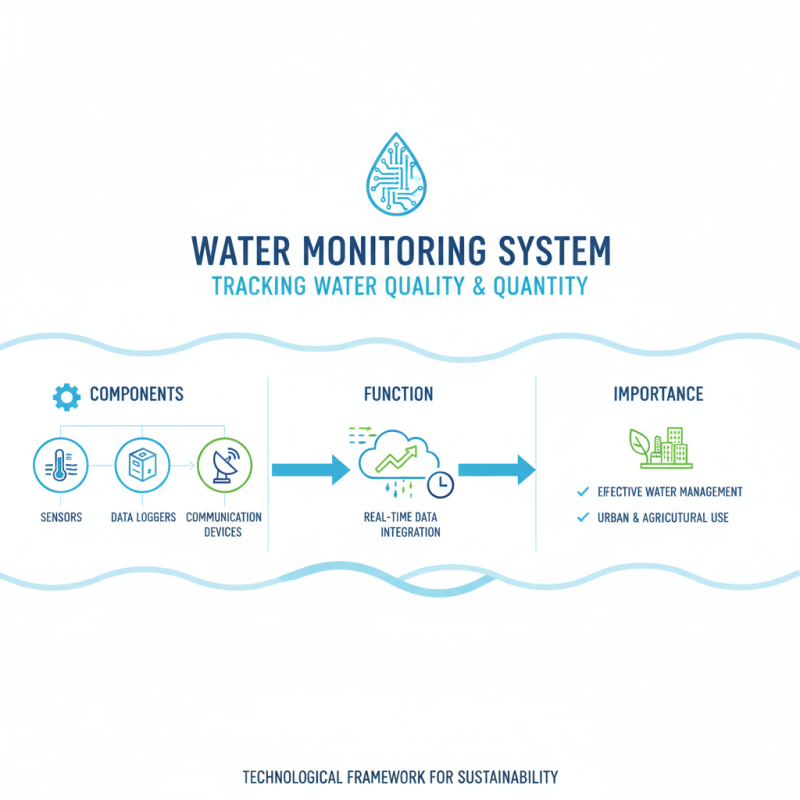
A Water Monitoring System (WMS) is a technological framework designed to track the quality and quantity of water resources. It integrates various sensors, data loggers, and communication devices to provide real-time data. These systems help manage water resources effectively, crucial for both urban and agricultural settings.
According to the Global Water Intelligence report, around 2.2 billion people lack access to safely managed drinking water. This urgency underscores the importance of WMS. These systems can detect pollutants, measure pH levels, and monitor temperature, contributing to safer water supplies. The World Health Organization recommends regular monitoring for contaminants to prevent waterborne diseases.
Tips: Regular calibration of sensors improves accuracy. Routine maintenance is vital for optimal performance. This ensures data reliability, and delays are minimized during critical assessments. Sometimes, inconsistencies in data may occur due to environmental changes. Addressing these issues promptly can enhance the system’s effectiveness.

A water monitoring system is crucial for understanding water quality and availability. Its key components include sensors, data loggers, and communication units. Sensors are deployed in water bodies to measure parameters like pH, turbidity, and dissolved oxygen. Reports indicate that over 60% of global freshwater resources are under stress, emphasizing the need for real-time monitoring.
Data loggers play a vital role in collecting and storing data from these sensors. They allow for continuous monitoring, ensuring timely responses to water quality changes. A report by the World Health Organization highlights that unsafe water accounts for around 2 million deaths annually. This underlines the importance of having reliable monitoring systems in place.
Communication units transmit data to central systems. This allows stakeholders to access real-time data remotely. These systems often use telemetry or IoT technology to facilitate immediate alerts. However, challenges exist in maintaining equipment and ensuring data accuracy. Regular calibration of sensors is necessary to avoid false readings, which can misguide water management strategies.
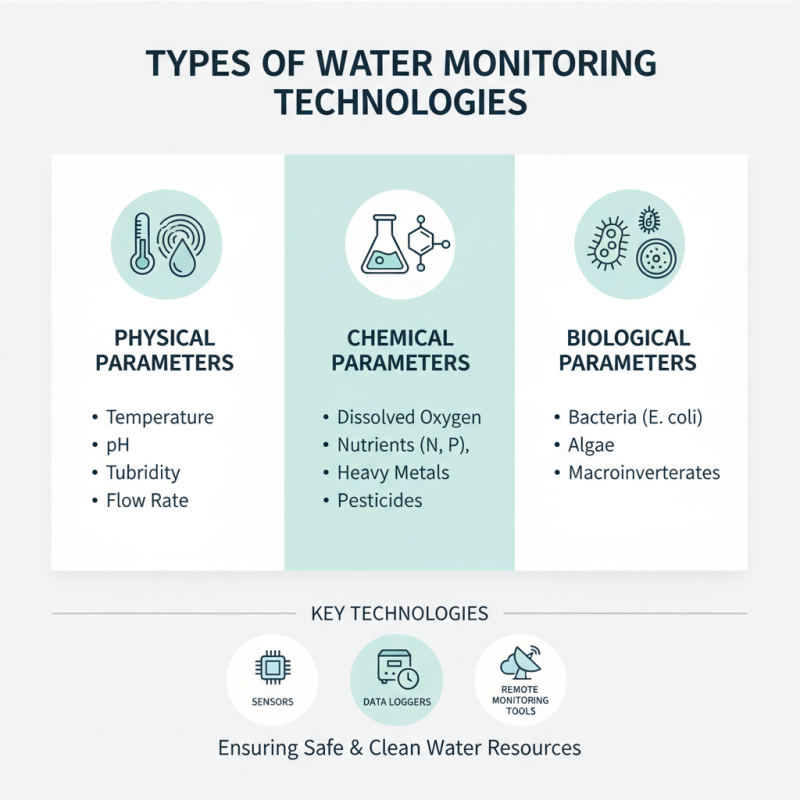
Water monitoring technologies play a crucial role in ensuring the safety and quality of our water resources. Various systems are employed to assess physical, chemical, and biological parameters. These technologies encompass a range of methods like sensors, data loggers, and remote monitoring tools.
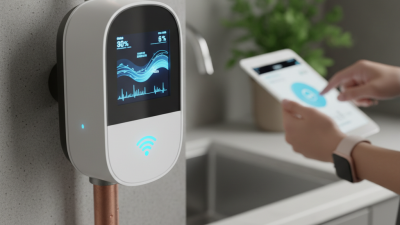
One common type is the use of sensor-based systems. These sensors detect specific contaminants and monitor parameters such as pH, turbidity, and temperature. For instance, a sensor may alert users to an abrupt change in water quality, indicating potential pollution. However, maintaining these sensors can be challenging. Regular calibration is necessary to ensure accuracy and reliability.
Another innovative technology involves remote monitoring systems. These setups utilize satellite or cellular data to track water quality in real time. While they provide valuable insights, their reliance on connectivity can be a limitation. In areas with poor signal strength, data transmission may be unreliable. Observations from these technologies can guide decision-making, but the need for human oversight remains essential to interpret the data effectively.
Water monitoring systems are vital for ensuring the quality of water in various environments. These systems use sensors to collect data on parameters like pH, temperature, dissolved oxygen, and turbidity. The collected data is transmitted to a central processing unit for analysis. This process happens in real time, allowing for immediate response to potential issues.
Typically, water monitoring systems include multiple sensors deployed in specific locations. Each sensor has a specific role. For example, some monitor chemical parameters, while others check for biological indicators. The integration of these sensors makes the system robust but can also create complexity. Maintenance is essential, and sensor calibrations may require fine-tuning. Occasionally, false readings can occur, which leads to misinterpretation of water quality.
The information gathered can be used to produce reports and inform decision-making. However, the reliability of this data is crucial. Without regular checks, there could be lapses in data accuracy. Additionally, not all systems are user-friendly. Training may be needed for those operating the systems. Despite these challenges, using water monitoring systems significantly enhances our ability to manage water resources effectively.
| Parameter | Unit | Typical Value | Description |
|---|---|---|---|
| pH Level | pH | 6.5 - 8.5 | Indicates the acidity or alkalinity of water. |
| Dissolved Oxygen | mg/L | 5 - 10 | Essential for aquatic life. |
| Total Dissolved Solids | mg/L | 500 - 1000 | Indicates the total concentration of dissolved substances. |
| Nitrogen | mg/L | 0 - 10 | High levels can indicate pollution. |
| Phosphorus | mg/L | 0 - 0.1 | Excessive amounts can lead to algal blooms. |
| Temperature | °C | 10 - 25 | Affects water chemistry and aquatic life. |
Water monitoring systems are essential in various fields, such as agriculture, industry, and environmental protection. These systems provide real-time data on water quality, quantity, and usage. A report by the World Health Organization notes that 2.2 billion people lack access to safe drinking water. Monitoring systems help identify pollution sources, ensuring safe water for communities.
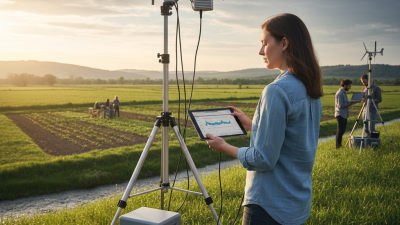
In agriculture, these systems optimize water usage. Precision irrigation technology can reduce water usage by up to 50%. Farmers can adjust their irrigation practices based on accurate data. This leads to healthier crops and higher yields. Interestingly, ongoing water monitoring has been shown to increase crop resilience in adverse weather conditions.
Tips: Regularly calibrate sensors to maintain accuracy. Ensure data is analyzed continuously for effective decision-making. Ultimately, these systems can foster more sustainable water management practices, safeguarding resources for future generations. Investing in reliable water monitoring technology could be the difference between abundance and scarcity.
This bar chart illustrates the key water quality parameters measured by monitoring systems, including pH level, dissolved oxygen, turbidity, nitrates, and phosphates. These parameters are essential for assessing the health and safety of water sources.