
NOTICE
We use cookies to improve the user experience and analyze its performance.
A Fuel Pump Motor Commutator can fail quietly, then leave a driver facing a no-start condition. The commutator transfers current to the armature through carbon brushes. Inside a fuel pump, it works amid heat, vibration, fuel exposure, and limited space. Small defects can therefore become serious quickly. A darkened commutator, uneven copper segments, brush dust, or a burnt electrical smell may point to trouble. These signs matter, but they do not prove one single cause.
A useful engineering summary for this introduction is: “Commutator failure is often the final mark left by heat, wear, or poor electrical contact.” This is an original explanatory quote, not a verified statement by a named industry expert. I can’t responsibly attribute it to a real specialist without a source. The article can instead examine the main failure paths: worn brushes, weak spring pressure, contamination, excessive current, poor connections, and heat buildup. Each leaves different clues. A rough commutator surface may suggest mechanical wear; melted insulation can indicate overheating. Sometimes the evidence is mixed. That deserves reflection.
Understanding the failure means looking beyond the damaged copper. Pump load, voltage at the terminals, fuel flow, and installation conditions all shape motor life. A brief voltage drop may be missed during a casual check. A restricted pump may also run hotter than expected. Careful diagnosis matters. Replacing the motor without finding the underlying cause can invite another failure. The sections ahead explain what to inspect, how common faults develop, and when testing should be left to a qualified technician.
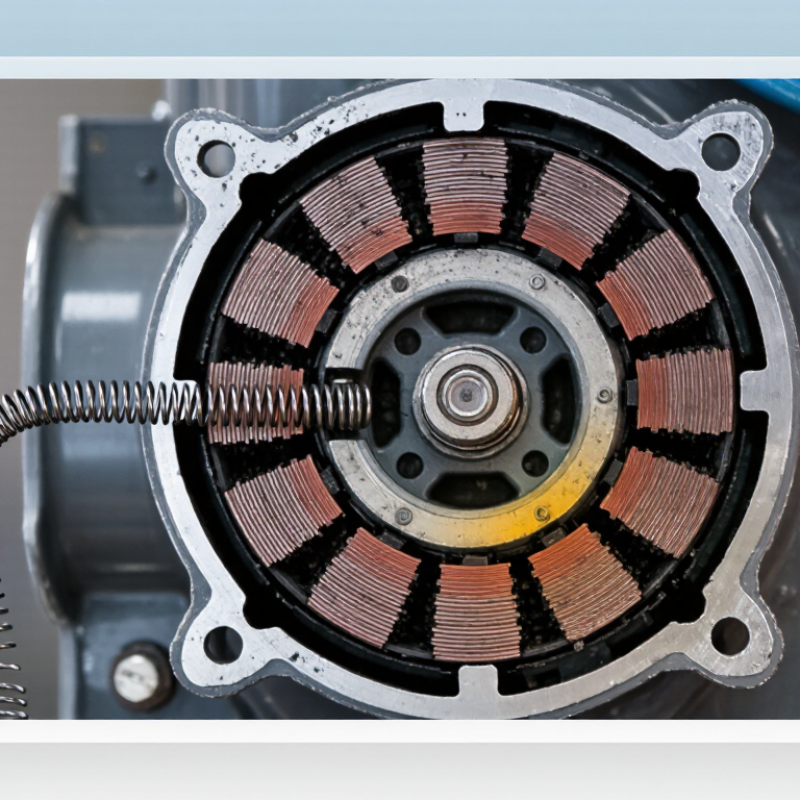
A fuel-pump motor usually runs from the vehicle’s 12-volt supply. Inside, current passes through carbon brushes and into copper commutator segments on the rotating armature. Each segment connects to a winding. As the armature turns, the brushes switch current between segments, keeping the motor spinning. A tiny contact point does a demanding job.
Brushes press against the commutator with spring force. Their sliding contact creates friction, heat, and some electrical arcing. Over time, brushes shorten and leave fine dark dust around the contact area. The commutator may develop grooves, discoloration, or raised edges. Poor electrical contact can make the motor slow, draw uneven current, or stop intermittently. Heat can speed this wear, especially if the pump struggles against a restriction or operates with inadequate fuel cooling. Details vary by pump design.
Not every dark surface means failure. A little discoloration can be normal, and appearance alone is not a reliable diagnosis. I would also check supply voltage, wiring connections, and current draw before blaming the commutator. That can be overlooked. If a worn brush no longer maintains steady pressure, contact becomes erratic; repeated arcing may then pit the copper segments and weaken the motor’s output.

In a brushed fuel-pump motor, the commutator is a set of copper segments fixed to the armature. Carbon brushes press against its surface, held there by small springs. As the rotor turns, each brush moves across the segments and carries current into different armature coils. This switching keeps the magnetic force turning the rotor in the same direction. That transfer is commutation. The timing is brief. A healthy contact is steady, though a faint, momentary spark may occur as current changes between segments.
The copper surface and brushes gradually wear as they rub together. A thin, even contact film can be normal; deep grooves, dark burning, or heavy pitting are not. These marks can point to poor contact, excessive heat, contamination, or repeated arcing. A weak brush spring may let the brush bounce, interrupting current and making the arc worse. It is tempting to blame the commutator alone, but brush condition and electrical load matter too. A quick visual check helps, though it cannot reveal every cause. Fuel-pump motors are often difficult to inspect without opening the assembly, so symptoms such as intermittent operation need careful diagnosis rather than guesswork.
Why Does a Fuel Pump Motor Commutator Fail?
A fuel pump motor commutator can fail when heat, electrical arcing, and brush wear build up over time. Excess current or poor fuel flow can raise motor temperature. Copper segments may discolor, warp, or develop rough edges. Small changes matter. Brushes then lose even contact, creating more resistance and heat.
Arcing leaves tiny pits and dark marks on the commutator surface. It often worsens when brushes bounce, wear unevenly, or lose steady contact. Abrasion also removes copper gradually; fine wear debris can collect around the brush area. Contaminated fuel may carry particles or water that strain the pump and reduce effective cooling. It may not reach the commutator directly, especially in a sealed motor, but added load can accelerate wear. That detail is easy to overlook.
Tips: Check fuel flow, electrical connections, and pump noise before blaming the commutator alone. Look for uneven brush wear, pitting, and heat discoloration during inspection. Replace a damaged pump rather than smoothing parts without checking the cause. A clean-looking surface is not always a healthy one.
| Wear mechanism | What happens at the commutator | Common contributing conditions | Possible signs | Useful checks |
|---|---|---|---|---|
| Heat | Excess temperature can accelerate brush wear and degrade insulation or other motor materials. Heat may also contribute to changes in commutator surface condition. | High electrical load, restricted fuel flow, prolonged operation under abnormal conditions, or inadequate cooling by the surrounding fuel. | Intermittent operation, reduced pump output, discolored or damaged motor components when inspected, or an open electrical circuit. | Check supply voltage, current draw, fuel flow, and the condition of the pump and its electrical connections against vehicle service specifications. |
| Arcing | Electrical arcs at the brush–commutator interface can pit or erode the contact surface. Some sparking can occur during motor operation; persistent or excessive arcing is damaging. | Worn or poorly contacting brushes, a rough or damaged commutator, unstable electrical connections, or excessive motor current. | Pitting, darkened spots, uneven surface wear, or intermittent motor operation. Internal signs generally require pump disassembly or inspection of the motor assembly. | Inspect wiring and connectors, measure voltage drop and current as specified, and examine the commutator and brushes if the pump is serviceable. |
| Abrasion | Brushes slide against the commutator as the motor turns. Normal contact causes gradual wear; excessive friction or uneven contact can accelerate material loss and leave grooves or an irregular surface. | Brush wear, debris, poor alignment or contact, and repeated operation over time. | Reduced brush length, commutator grooves, uneven contact marks, or increased electrical resistance at the motor. | Where inspection is possible, check brush condition and commutator wear. Replace or service components only according to the applicable repair procedure. |
| Contaminated fuel | Particles can contribute to abrasive wear in the pump, while water or other contamination can promote corrosion or disrupt normal operation. Contamination can also affect the pump’s filtration and fuel-flow path. | Dirt or rust entering the fuel system, water in the fuel, a damaged or incorrectly fitted filter, or contamination introduced during service. | Restricted fuel flow, abnormal pump noise, corrosion or debris in the tank or filter, and premature pump wear. | Inspect the fuel filter and tank for contamination, verify filter installation, and follow the vehicle manufacturer’s procedure for fuel-system cleaning and repair. |
| Combined effects | Heat, arcing, abrasion, and contamination can reinforce one another. For example, poor fuel flow may increase operating stress, while worn contact surfaces can increase resistance and heating. | A fault that remains uncorrected, such as a restricted filter combined with worn brushes or poor electrical connections. | Several symptoms together, including low fuel delivery, abnormal current, intermittent operation, or visible internal damage. | Assess the complete fuel and electrical system rather than replacing the pump without checking possible underlying causes. |
Note: Symptoms are not unique to commutator failure. Confirm diagnosis using the vehicle’s service information and appropriate fuel-system safety procedures.
A fuel pump motor commutator carries current between the stationary brushes and the rotating armature. When supply voltage drops across a corroded connector, weak ground, or damaged wire, less voltage reaches the motor. The pump may slow, and fuel delivery can become uneven. A voltage drop does not automatically mean the commutator is failing, though. Measure voltage at the pump while it runs; a reading taken with the circuit unloaded can hide the problem.
Excess current creates a different risk. A restricted pump, binding motor, or prolonged operation under heavy load can make the windings draw more current than intended. That current heats the armature and brush contact points. Tiny arcs may then pit or discolor the copper commutator segments, while worn brushes can worsen the contact and create more heat. Heat builds. Look for darkened copper, uneven wear, or fine black dust inside the motor housing. These signs need context, since normal brush wear can also leave dust. A connector that looks clean may still have high resistance. I would check circuit voltage, ground condition, and pump load before blaming the commutator alone.
Burned commutator segments usually point to poor brush contact, excessive current, or mechanical drag. Look for dark, uneven patches, raised copper edges, deep grooves, and a rough surface. A uniformly dull finish is less alarming than one scorched segment. Check brush length, chipped edges, free movement in the holders, and spring pressure. Carbon dust can hide wear. Clean and inspect before deciding the armature is damaged.
Current readings add context. Measure at the specified voltage and compare with the pump’s service data under consistent conditions. High current may indicate a binding pump, restricted flow, or an armature fault; unusually low or unstable current can suggest poor brush contact or an open circuit. Do not diagnose from one reading alone. A cold pump and a warm pump may behave differently.
An IEEE survey of industrial motor failures reported 41% bearing-related, 37% winding-related, and 10% rotor-related failures. These figures are not fuel-pump statistics, and they do not predict commutator failure. They do reinforce a practical point: inspect the whole motor and its load, not just the burned copper. I would still treat the diagnosis as provisional until current, brush condition, and pump movement agree.