How to Choose a Water Tank Level Sensor in 2026?
Choosing a water tank level sensor in 2026 is not simply a matter of selecting the newest device. The best option must match the tank, liquid, installation site, and monitoring system. A household storage tank may need a compact ultrasonic sensor, while a deep industrial vessel could require a pressure, radar, or guided-wave solution. Each technology behaves differently. Temperature, foam, vapor, turbulence, and sediment can affect accuracy. Outdoor tanks also face sunlight, rain, freezing conditions, and unstable wireless signals.
Practical experience often reveals problems that product brochures overlook. A sensor may work accurately in a clean test tank but struggle when condensation covers its surface. A cable may seem long enough until the tank access point changes. Small details matter. Tank depth, mounting space, liquid composition, output type, and maintenance access should be checked before purchase. Reliable manufacturers provide clear datasheets, calibration guidance, protection ratings, and technical support. Independent test results can strengthen confidence, although they should be reviewed carefully. No sensor is perfect. That deserves attention. Installation quality can influence performance as much as the sensor itself. Incorrect alignment, poor grounding, or ignored signal interference may create false readings. This guide examines the main selection factors, compares common sensing technologies, and explains how to judge accuracy, durability, integration, and long-term value. It also considers real operating conditions, because a dependable reading is useful only when people can trust and act on it.
Understanding Water Tank Level Sensor Types and Measurement Methods
How to Choose a Water Tank Level Sensor in 2026?
Understanding Water Tank Level Sensor Types and Measurement Methods
Choosing a water tank level sensor starts with the measurement method, not the newest feature. Float sensors are simple and affordable. They work well in clean water, but moving parts may stick when sediment builds up. Hydrostatic sensors measure pressure at the tank bottom. They suit deep tanks, although temperature changes and cable damage can affect readings. Capacitive sensors detect changes in electrical properties. They are compact, but mineral deposits can reduce accuracy.
Non-contact methods are useful when maintenance access is limited. Ultrasonic sensors measure the distance from the tank roof to the water surface. They can struggle with foam, condensation, or a narrow tank opening. Radar sensors usually handle vapour and dust better, but their installation requires careful alignment. In a 2.5-metre tank, even a small mounting error can create noticeable level differences. That detail is easy to overlook.
Tips: Check the liquid, tank material, measuring range, and expected accuracy. Review the datasheet and protection rating. Test the sensor against a manual reference during installation. Keep wiring away from pumps when possible. No sensor is perfect. I have seen reliable devices give poor results because the tank surface was turbulent. A calm installation point may matter more than an impressive specification. Recheck the choice after observing real operating conditions.
Matching Sensor Technology to Tank Design and Liquid Properties
How to Choose a Water Tank Level Sensor in 2026?
Matching Sensor Technology to Tank Design and Liquid Properties
Tank design should guide the sensor choice, not the other way around. A narrow tank with internal pipes can create blind spots for ultrasonic signals. Ultrasonic sensors work well in open tanks with calm water and clear vapor conditions. They may struggle with foam, condensation, or heavy surface turbulence. Radar usually handles vapor and temperature changes better, but its antenna still needs a clear measurement path.
Liquid properties matter just as much. Hydrostatic sensors measure pressure at the tank bottom and suit deep tanks with stable liquid density. They need protection from sediment and careful cable routing. Capacitive sensors can detect water in compact tanks, yet buildup on the probe may cause drift. A float sensor remains simple and useful, especially where power is limited. Simple is not always outdated.
Installation details often decide real-world accuracy. Check the tank material, mounting thread, measuring range, dead zone, and expected temperature. For rainwater tanks, inspect algae, floating debris, and seasonal sediment before selecting a probe. For treated water, confirm that wetted materials resist corrosion. A sensor rated for clean water may fail early in a harsh environment.
Calibration records should include actual tank readings, not only factory settings. Leave space above the highest level. I have seen “accurate” sensors installed too close to an inlet, where splashing distorted every reading. That mistake is easy to miss. When uncertain, test the sensor in the real tank for several days before permanent installation.
How to Choose a Water Tank Level Sensor in 2026?
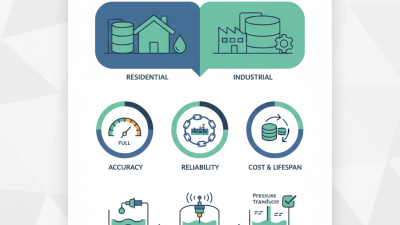
Matching sensor technology to tank design and liquid properties is essential for reliable level measurement. The chart shows an indicative suitability score from 0 to 100 for common water-tank conditions, based on measurement principles and typical installation constraints.
Selection guide: Ultrasonic sensors are suitable for open tanks with clean water, while radar performs better with foam, vapor, and condensation. Hydrostatic sensors are practical for deep tanks but require stable liquid density. Capacitance sensors work well when the liquid and tank wall provide consistent electrical properties. Conductivity sensors are effective for conductive liquids and point-level detection.
Evaluating Environmental Conditions, Safety, and Smart Connectivity
How to Choose a Water Tank Level Sensor in 2026?
Choosing a water tank level sensor requires more than checking its measuring range. A tank may sit outdoors, inside a warm plant room, or below ground. Start by recording temperature, humidity, dust, vibration, and possible flooding. Outdoor tanks face rain, sunlight, and condensation. These conditions can weaken readings over time. For drinking-water systems, choose materials suitable for contact with potable water. Also check whether the sensor withstands cleaning chemicals and pressure changes.
Safety matters. A failed sensor can cause dry pumps, overflowing tanks, or unnoticed shortages.
Smart connectivity adds practical value when it supports clear decisions. A wireless sensor can report level changes to a phone or control platform. However, thick concrete walls may reduce its signal. Metal tanks can create another problem. Test the connection at the actual installation point, not only in an office.
Set alerts for high level, low level, and abnormal rate changes. A ten-minute delay may be acceptable for storage, but not for critical supply equipment.
In field checks, I have found that installation errors cause many confusing readings. A sensor mounted near an inlet may detect turbulence instead of the true level. Keep the measuring point away from strong flow when possible. Review calibration after seasonal temperature changes. No sensor is perfect. A cheaper device may work well in a clean indoor tank, while a rugged model may be necessary outdoors. Recheck your assumptions before buying.
Selecting the Best Water Tank Level Sensor for Your Application
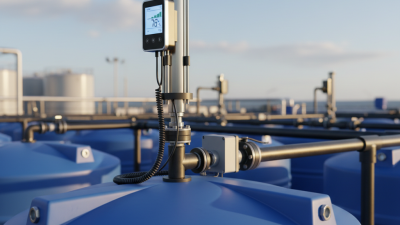
Selecting the best water tank level sensor starts with the application, not the price. Measure the tank depth, liquid type, temperature range, and installation space. Fit matters. A 2,000-liter outdoor tank may face sunlight, rain, condensation, and algae growth. Ultrasonic sensors can work well without touching the water, but foam or heavy vapor may weaken the signal. Pressure sensors suit deeper tanks and enclosed vessels, yet they require careful zeroing and clean sensing lines. Float sensors remain simple for basic level alerts.
Consider the signal your control system needs. Analog outputs support continuous monitoring, while switch outputs suit pumps and alarm circuits. Check measurement accuracy near the tank bottom and top. A sensor that performs well in the middle may behave poorly at both limits. Review the housing protection rating, cable length, mounting thread, and operating temperature before installation. These details often cause more trouble than the sensing principle.
Reliable selection also includes maintenance. Choose a device with clear calibration instructions and accessible diagnostic data. Test the reading against a measured water volume before connecting automatic controls. Keep a record of installation height and adjustment values. I have seen projects fail because installers trusted factory settings without checking the actual tank shape. That shortcut looked efficient. It was not. Leave room for inspection, cleaning, and future replacement. A technically advanced sensor is still a poor choice if local technicians cannot understand or service it.