How to Choose the Best Temperature Monitoring Solutions?
In today's rapidly evolving industries, effective temperature monitoring is critical. According to a report by the International Organization for Standardization (ISO), temperature fluctuations can lead to significant losses. For example, improper monitoring in pharmaceuticals can result in millions in product waste. The right temperature monitoring solutions can prevent such losses and ensure product quality and compliance.
Choosing the best temperature monitoring solutions involves understanding various factors. A study from Gartner shows that 68% of organizations struggle with unreliable monitoring methods. This raises the question: how can processes be improved? The right technology can provide real-time data, enhance visibility, and minimize errors. It is essential to evaluate solutions critically to find the best fit for your specific requirements.
Yet, not all monitoring systems are created equal. Some users report difficulties with integration and data analysis. This highlights the need for reliable and user-friendly options. By prioritizing expertise in temperature monitoring, businesses can make informed decisions that protect their assets and enhance operational efficiency.
Understanding the Importance of Temperature Monitoring Solutions
Temperature monitoring solutions are essential in various industries, especially in
food safety and
healthcare. Keeping track of temperature ensures that products remain at safe levels.
Spoiled food can lead to health risks. Likewise, in healthcare, proper temperature control is critical for
medication storage.
With modern technology, there are many ways to monitor temperature.
Sensors, alarms, and data loggers are popular choices. These tools provide real-time data.
However, selecting the right solution can be overwhelming. Consider costs, ease of use, and reliability when making a choice.
It's also vital to understand the potential pitfalls. Some solutions may fail to alert users promptly. Others can be too complex for staff to operate effectively.
A poorly chosen system can result in lost inventory or compromised patient safety.
Reflecting on these points can lead to more informed decisions.
Identifying Your Specific Temperature Monitoring Needs
Identifying your specific temperature monitoring needs is essential for selecting the right solution. Begin by considering the environment where monitoring will occur. Is it a controlled facility or an outdoor area? The surroundings can significantly influence the choice of technology. For example, harsh conditions require more robust solutions.
Next, evaluate the scale of your monitoring requirements. Are you tracking temperatures in a single location or multiple sites? Small setups may work well with simple data loggers. Larger operations generally benefit from networked systems. Think about how often you need to take readings. Some scenarios demand real-time monitoring while others may suffice with regular intervals.
Lastly, consider compliance and reporting needs. Different industries have distinct requirements. Food and pharmaceuticals often have stringent regulations. If you are unsure, consult experts in the field. They can provide insights that save time and reduce uncertainty. Identifying specific needs can lead to a more effective temperature monitoring strategy and better overall outcomes.
Temperature Monitoring Solutions Comparison
This chart compares the average accuracy percentage of various temperature monitoring solutions. It highlights how different solutions measure up in terms of precision, aiding in the selection of the best option for specific monitoring needs.
Evaluating Different Types of Temperature Monitoring Technologies
When selecting temperature monitoring solutions, understanding various technologies is crucial.
Infrared thermometers offer non-contact measurements, making them ideal for quick assessments. However, they can be less accurate at longer distances.
According to a report by the Institute of Electrical and Electronics Engineers,
temperature variations can impact sensor readings by up to 0.5 degrees Celsius in some environments.
Accuracy is fundamental in applications like food safety and pharmaceuticals.
Thermal imaging cameras represent another approach. They provide detailed visual data on temperature variations, useful for spotting heat leaks in buildings or electrical faults.
Yet, these cameras require skilled operation to interpret data correctly. The International Society for Thermal Imaging reports that improper usage can lead to misdiagnoses,
highlighting the need for technician training as part of the implementation process.
Data loggers and wireless solutions are gaining popularity in sectors requiring continuous monitoring.
These devices can record temperature changes over time and send real-time alerts. A survey conducted by Frost & Sullivan
indicates that over 60% of companies prefer digital record-keeping for reliability.
However, reliance on technology can breed complacency, necessitating regular manual checks to ensure accuracy in critical settings.
Comparing Features and Benefits of Leading Monitoring Solutions
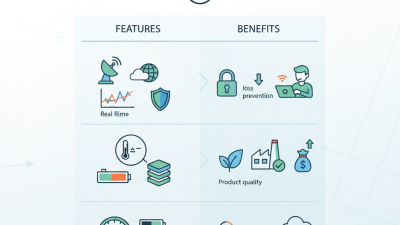
When selecting a temperature monitoring solution, comparing features is crucial. Look for systems that provide real-time data, alerts, and easy integration with existing technologies. A user-friendly interface is also important. It should allow for quick data interpretation without extensive training.
Consider the benefits of different monitoring solutions. Some may offer advanced analytics to predict temperature fluctuations. Others might focus on historical data tracking. Both aspects are valuable. Regular data analysis can reveal patterns over time. However, users often overlook the importance of data security. Make sure any solution you choose maintains high security standards.
The reliability of a monitoring system is vital. Assess how often it requires calibration and maintenance. Frequent disruptions can lead to unreliable data. Ensure that manufacturers provide clear guidelines and support. This transparency builds trust, allowing users to feel confident in their monitoring choices. Keep in mind that no system is perfect; every option has its pros and cons.
Budgeting and Cost Considerations for Temperature Monitoring Systems
When budgeting for temperature monitoring systems, understanding the associated costs is crucial. Various options exist, from basic manual solutions to advanced automated systems. Each type carries its own price range and features. It's essential to assess long-term benefits versus initial costs. Sometimes, cheaper options may lack reliability or features, leading to potential losses.
Maintenance costs often go unnoticed in budget planning. Regular calibration and potential repairs can add up significantly over time. Companies should factor in these ongoing expenses when selecting a system. Additionally, employee training mandates extra funds. Lack of proper training can lead to improper use, undermining the system's effectiveness.
Investing in a high-quality temperature monitoring solution can provide peace of mind and long-term savings. However, weigh the advantages carefully against your budget constraints. A balance between cost and quality is vital for success. Always consider future needs. As technology evolves, choose a system that can adapt to changes without requiring full replacement.