NOTICE
We use cookies to improve the user experience and analyze its performance.
Choosing a data logger manufacturer in China involves more than comparing prices or product photos. Global buyers need to check measurement range, accuracy, sampling rate, memory capacity, and the conditions each device can withstand. A logger used in a refrigerated truck faces different demands from one monitoring a factory motor. Small details matter. Battery life, probe compatibility, software language, and export packaging can shape daily use as much as the headline specifications.
The measurement principle still applies. Physicist Lord Kelvin is widely associated with the line, “When you can measure what you are speaking about, and express it in numbers, you know something about it.” A data logger turns changing conditions into records people can review and act on. Yet numbers are only useful when the device, setup, and calibration are suitable for the task. No catalog tells the whole story. A polished datasheet may leave questions about long-term support or replacement sensors.
This overview of top data logger manufacturers in China is intended to help buyers compare suppliers with practical criteria, not assume that one brand suits every project. It considers product range, technical documentation, customization, quality systems, and communication with overseas customers. Buyers should verify specifications and relevant certificates directly, and request sample records or product demonstrations where possible. These checks take time, and they may not uncover every weakness. That is worth admitting. A careful shortlist, followed by clear technical questions, is a more dependable starting point than a ranking alone.
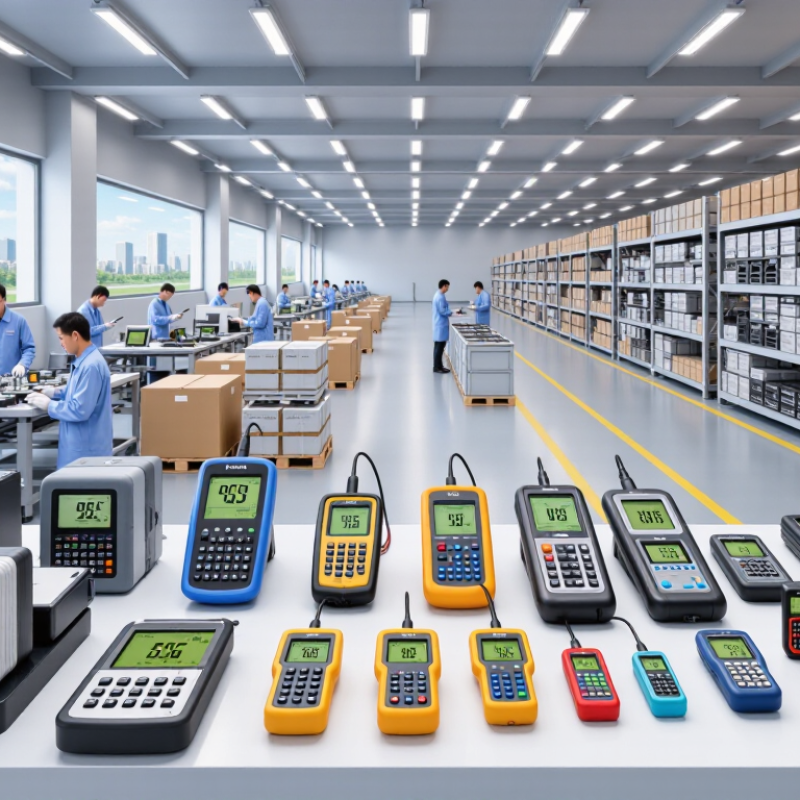
China’s data logger manufacturing industry serves a wide range of monitoring needs, from cold-chain shipping to equipment maintenance. Many factories combine electronics assembly, sensor integration, firmware development, and enclosure production. This can make custom configurations practical, but the finished unit depends on how well these parts work together.
A temperature logger may use a small probe, a replaceable battery, and a USB port for downloading readings. Industrial models can also accept thermocouples or current-loop inputs. Buyers should check sampling intervals, memory capacity, operating temperature, and file formats against actual site conditions. Small details matter. A door-mounted logger, for example, may need a different enclosure from one used inside a dry laboratory.
The industry is capable, but product quality is not uniform. A polished specification sheet cannot show whether readings remain stable after repeated temperature changes. Ask for sample data, calibration documentation, and clear explanations of accuracy limits. Check how the device behaves when its battery runs low or its memory fills. These questions take time, and comparisons can feel untidy. That is a useful reason to test a sample before placing a large order, especially when the logger will support routine quality checks.
| Evaluation Dimension | What Buyers Should Review | Typical Industry Context | Useful Evidence to Request |
|---|---|---|---|
| Product Categories | Confirm whether the supplier manufactures standalone, wireless, USB, paperless, or multichannel data loggers. | Common applications include temperature monitoring, environmental monitoring, process recording, and equipment testing. | Product specifications, application notes, and a model-by-model product range. |
| Measured Parameters | Check supported inputs, sensor compatibility, measurement range, accuracy, resolution, and operating conditions for each model. | Temperature, humidity, voltage, current, pressure, and other inputs may be available; capabilities vary by product. | Datasheets that state measurement ranges, accuracy conditions, sensor types, and any required accessories. |
| Connectivity and Data Export | Review how readings are collected, transferred, stored, and exported for analysis. | USB, Bluetooth, Wi-Fi, Ethernet, RS-485, cellular connections, and removable storage are used across different product designs. | Interface specifications, supported file formats, software requirements, and integration documentation. |
| Calibration and Measurement Quality | Ask how calibration is performed and whether certificates identify the instrument, calibration points, results, and traceability. | Calibration requirements depend on the application. ISO/IEC 17025 applies to the competence of testing and calibration laboratories; it is not, by itself, a data logger product certification. | Sample calibration certificates, stated calibration intervals, and details of the calibration laboratory used. |
| Standards and Compliance | Verify that claimed standards and certifications apply to the exact model and intended application. | IEC 61010-1 addresses safety requirements for electrical equipment for measurement, control, and laboratory use. EN 12830 covers temperature recorders used for the transport, storage, and distribution of chilled, frozen, and deep-frozen food and ice cream. | Applicable declarations, test reports, certificates, model references, and issuing-body details. |
| Data Integrity and Software | Evaluate access controls, timestamps, alarm records, data retention, export options, and software support. | Features differ by model and software platform; cloud access or audit-trail functions should not be assumed unless documented. | Software demonstration, user documentation, data-export samples, and a written description of security and backup features. |
| Manufacturing and Quality Control | Assess production oversight, incoming-component checks, final testing, and how product changes are managed. | Manufacturers may combine in-house assembly with sourced sensors, components, or enclosures, so supply-chain and inspection practices can vary. | Quality-system documentation, inspection procedures, traceability examples, and production-test records. |
| Customization and Integration | Clarify requirements for sensor connections, firmware, enclosures, labeling, communication protocols, and language support. | Customization feasibility, development time, and minimum order quantities depend on the design and production requirements. | Written technical proposals, sample approval criteria, change-control terms, and confirmation of any additional costs. |
| Export and After-Sales Support | Confirm destination-market documentation, packaging, warranty terms, replacement parts, and support response arrangements. | Import requirements and documentation vary by destination country, product configuration, and end use. | Warranty policy, export document checklist, spare-parts list, service process, and delivery terms for the quotation. |
This table describes general product and sourcing considerations for China’s data logger manufacturing industry. Specifications, certifications, lead times, and commercial terms should be verified for the specific model and supplier before purchase.