Blog

10 Best Water Monitoring Systems for Global Buyers?

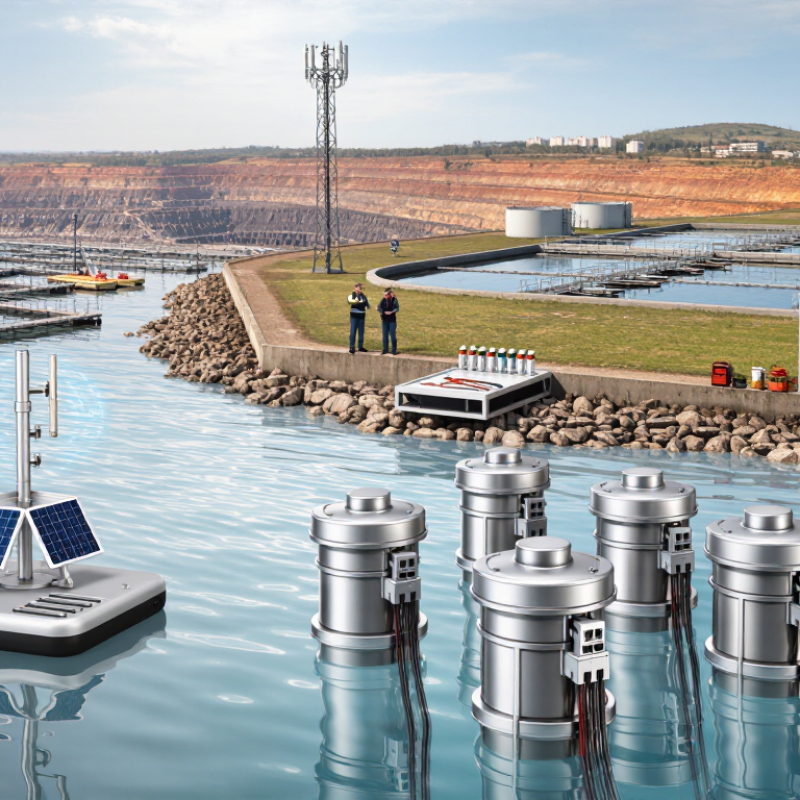
Choosing the right water monitoring system is rarely a simple equipment purchase. Global buyers must match sensors, connectivity, software, and support with local water conditions. A coastal aquaculture site needs different protection from a municipal reservoir. A remote mine may depend on satellite communication and long battery life.

This guide examines ten leading systems for international buyers. It considers measurement accuracy, sensor durability, data intervals, installation demands, and reporting tools. Important parameters include pH, turbidity, temperature, dissolved oxygen, conductivity, and water level. Some platforms offer real-time alerts, while others focus on scheduled sampling and laboratory verification. Both approaches have value.

Details matter.

Practical experience shows that the best specification can fail without regular calibration. Mud, algae, corrosion, weak cellular coverage, and extreme temperatures can reduce data quality. Buyers should review maintenance instructions, replacement costs, warranty terms, cybersecurity controls, and technical support before ordering. Independent certifications and published performance data can strengthen confidence, but they do not replace site testing.

No system fits every country or project. That is the uncomfortable part. Product comparisons may overlook language barriers, import timelines, training needs, or unreliable power supplies. A system praised in one region may perform poorly elsewhere. Therefore, this overview treats technical claims carefully and encourages pilot trials where possible. It also distinguishes continuous monitoring from occasional sampling, since those methods answer different operational questions. Reliable decisions come from verified data, realistic budgets, and a clear understanding of the water environment.
10 Best Water Monitoring Systems for Global Buyers?

What Are Water Monitoring Systems and Why Do Global Buyers Need Them?

What Are Water Monitoring Systems and Why Do Global Buyers Need Them?

Water monitoring systems combine sensors, data loggers, communication tools, and software. They measure conditions such as pH, temperature, turbidity, conductivity, dissolved oxygen, and water level. Some systems collect readings every few minutes. Others send alerts when values exceed configured limits.

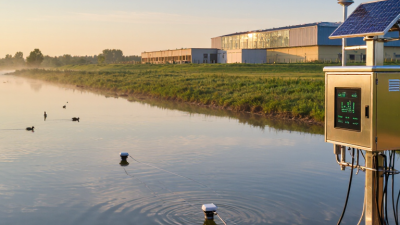
In practical use, a sensor may sit inside a treatment tank, irrigation channel, river station, or storage reservoir. A remote buyer can review readings without visiting the site daily. This helps teams detect contamination risks, equipment problems, leaks, and changing water conditions earlier. Clear records also support supplier checks, maintenance planning, and environmental reporting. However, a dashboard is not proof of perfect water quality.

Sensors drift. Batteries fail. Wireless signals disappear.

Global buyers face different climates, water sources, and operating standards. A system that works well in a cool indoor facility may struggle in a humid coastal site. Buyers should check measurement ranges, calibration procedures, data ownership, alarm settings, and local technical support. They should also ask how the system behaves during power or network interruptions. In field work, simple offline storage can matter more than a polished interface.

Reliable monitoring requires regular calibration, cleaning, and human review. Automated readings can reveal patterns, but they cannot explain every unusual result. Sampling methods may also introduce errors. That limitation deserves attention, especially when purchasing equipment for several countries or remote facilities.
Which Key Features Define a Reliable Water Monitoring System?

10 Best Water Monitoring Systems for Global Buyers

A reliable water monitoring system begins with accurate sensors, not attractive software. It should measure pH, temperature, turbidity, conductivity, and dissolved oxygen consistently. Choose sensors with documented calibration methods and clear accuracy ranges. Field experience shows that small errors can grow when sensors remain dirty or poorly positioned. This is easy to underestimate.

Strong systems also need stable data transmission, secure storage, and readable dashboards. Cellular, Wi-Fi, or satellite connections may suit different locations. Data should remain available during temporary network failures. Battery performance matters in remote wells, farms, and treatment facilities. A useful system sends alerts when readings exceed defined limits, rather than flooding operators with meaningless notifications. Interoperability is important too. Standard data formats simplify integration with existing equipment and reporting tools.

Tips: Ask for independent test records, calibration intervals, operating-temperature limits, and maintenance instructions. Test one unit in real conditions before wider deployment. Check whether replacement sensors are affordable and locally available. Do not trust a perfect demonstration. Water conditions change with seasons, sediment, and human activity. A system that works in a clean indoor tank may struggle beside a muddy river. Operators should review readings regularly and compare them with manual samples. No sensor is permanently accurate. Even advanced monitoring requires trained people, practical inspection, and occasional doubt.

10 Best Water Monitoring Systems for Global Buyers? — Which Key Features Define a Reliable Water Monitoring System?
Rank System Type Recommended Application Core Parameters Typical Measurement Range Sampling and Data Interval Connectivity Power Design Enclosure Target
1 Municipal Distribution Network Monitor Drinking-water pipelines, pressure zones, storage tanks, and district metered areas Pressure, flow, temperature, pH, turbidity, conductivity, residual disinfectant, leak indicators Pressure: 0–16 bar
Flow: 0–10 m/s
pH: 0–14
Turbidity: 0–1,000 NTU
Sensor readings every 1–60 seconds; cloud transmission every 5–15 minutes Cellular LTE-M/NB-IoT, Ethernet, or LoRaWAN; local data buffering required 24 VDC or battery with 3–5 year target life IP68 for submerged or chamber-mounted components
2 Drinking-Water Treatment Plant Monitor Coagulation, filtration, disinfection, and treated-water quality control pH, turbidity, conductivity, temperature, oxidation-reduction potential, dissolved oxygen, disinfectant residual pH: 0–14
Turbidity: 0–1,000 NTU
Conductivity: 0–200 mS/cm
Temperature: 0–50°C
Continuous measurement; alarm evaluation every 1–10 seconds; reporting every 1–5 minutes Industrial Ethernet, RS-485/Modbus, 4–20 mA, or secure cellular gateway 85–264 VAC or 24 VDC with UPS backup IP65–IP66 for control panels; IP68 for probes
3 River and Surface-Water Station Rivers, lakes, reservoirs, watershed studies, and environmental compliance Water level, temperature, pH, dissolved oxygen, conductivity, turbidity, chlorophyll-a, nitrate Level: 0–10 m
Temperature: 0–40°C
Dissolved oxygen: 0–20 mg/L
Turbidity: 0–3,000 NTU
Measurements every 5–15 minutes; event-triggered sampling during storms or rapid level changes 4G/5G, satellite, or long-range radio; GNSS recommended for station verification Solar panel with rechargeable battery; 7–14 day autonomy target IP67–IP68 with corrosion-resistant mounting hardware
4 Groundwater Well Monitoring System Monitoring wells, aquifers, landfill sites, mining areas, and contamination investigations Water level, temperature, conductivity, pH, oxidation-reduction potential, pressure, selected contaminants Level: 0–100 m water column
Pressure: 0–10 bar
pH: 0–14
Conductivity: 0–100 mS/cm
Every 15 minutes to 24 hours; automatic high/low threshold alerts Low-power cellular, LoRaWAN, or periodic manual download Internal lithium battery or solar-powered surface logger IP68; vented or absolute pressure sensor according to installation depth
5 Industrial Effluent Compliance Monitor Factories, wastewater outfalls, process-water reuse, and discharge permits Flow, pH, temperature, conductivity, turbidity, chemical oxygen demand proxy, total suspended solids proxy Flow: 0–10 m/s
pH: 0–14
Temperature: 0–80°C
Turbidity: 0–4,000 NTU
Continuous measurement; 1-minute records; tamper-evident audit trail Ethernet, 4G/5G, RS-485/Modbus, and isolated 4–20 mA outputs 100–240 VAC with UPS and surge protection IP66 control cabinet; IP68 immersed sensors
6 Agricultural Irrigation Water Monitor Irrigation canals, reservoirs, wells, fertigation systems, and greenhouse water supplies Flow, pressure, pH, electrical conductivity, temperature, soil moisture, water level Pressure: 0–10 bar
pH: 0–14
Conductivity: 0–20 mS/cm
Soil moisture: 0–100% volumetric water content
Every 5–30 minutes; irrigation-cycle event logging LoRaWAN, cellular IoT, or short-range radio mesh Solar or replaceable battery; 6–12 month maintenance interval target IP65–IP67; UV-resistant outdoor enclosure
7 Aquaculture Water Quality System Fish farms, hatcheries, recirculating aquaculture, and pond management Dissolved oxygen, temperature, pH, salinity, conductivity, oxidation-reduction potential, water level Dissolved oxygen: 0–20 mg/L
Temperature: 0–40°C
pH: 0–14
Salinity: 0–70 ppt
Readings every 10–60 seconds; real-time aeration and alarm control Wi-Fi, Ethernet, cellular, or local radio with audible alarms 12/24 VDC, mains power, or solar with battery backup IP67–IP68; sensors must tolerate continuous immersion
8 Flood and Stormwater Monitoring Station Urban drainage, culverts, detention basins, flood-prone roads, and emergency response Water level, rainfall, flow velocity, gate status, temperature, camera-based site verification Level: 0–10 m
Rainfall: 0–300 mm/h
Flow velocity: 0–10 m/s
Normal readings every 5–15 minutes; 1-minute or faster during threshold events Cellular, satellite, or private radio; SMS and email alerts recommended Solar and battery; minimum 7-day backup target IP66–IP68 with impact-resistant mounting
9 Coastal and Brackish-Water Monitor Estuaries, seawater intakes, desalination pretreatment, ports, and coastal ecology Salinity, conductivity, temperature, pH, dissolved oxygen, turbidity, depth, chlorophyll-a Salinity: 0–70 ppt
Conductivity: 0–100 mS/cm
Depth: 0–100 m
Turbidity: 0–3,000 NTU
Every 1–15 minutes; scheduled profiling or tidal event sampling Cellular or satellite surface buoy; acoustic or cabled link for submerged sensors Solar buoy, battery pack, or cabled DC power IP68 with marine-grade anti-corrosion materials
10 Remote Community Water Safety Monitor Small water schemes, boreholes, rainwater systems, and decentralized treatment units Water level, flow, pH, turbidity, conductivity, temperature, disinfectant residual Level: 0–30 m
Flow: 0–5 m/s
pH: 0–14
Turbidity: 0–1,000 NTU
Every 5–60 minutes; local alarm for unsafe conditions or equipment failure 2G/4G, satellite, LoRaWAN, or store-and-forward data logging Solar with battery; 14–30 day low-power autonomy target IP65–IP68 depending on sensor location

Note: The specifications shown are representative engineering ranges for system selection. Final performance depends on sensor technology, installation conditions, calibration procedures, water chemistry, communication coverage, and applicable local regulations.

How to Compare the Ten Best Water Monitoring Systems

Comparing the ten best water monitoring systems requires more than checking advertised accuracy. Start with the water conditions you will measure. Drinking water, wastewater, rivers, and aquaculture ponds need different sensors. A reliable system should track useful parameters, such as pH, turbidity, temperature, conductivity, dissolved oxygen, and selected contaminants. Check the stated measurement range and detection limit. Small numbers matter.

Field experience also reveals weaknesses. A sensor that performs well in a clean laboratory may drift in muddy water. Ask how often calibration is needed and whether staff can replace probes without special tools. Review data intervals, battery life, solar performance, and enclosure ratings. In coastal regions, salt spray can damage poorly protected connectors. Test readings against certified laboratory samples before large-scale deployment. Independent verification builds confidence.

Connectivity deserves careful comparison. Cellular, satellite, and local wireless options suit different locations and budgets. Examine data ownership, encryption, user permissions, and offline storage. A dashboard should show clear trends, missing readings, and alarm history. Avoid systems that hide raw data. Support quality matters too. Look for documented training, spare-part access, and response times across your operating region. Total cost includes installation, calibration, replacements, subscriptions, and staff time. Some rankings overlook these expenses. That is a mistake. Even a technically advanced system may become impractical when maintenance requires long-distance travel. Ask for recent performance records from sites with similar weather, water chemistry, and reporting requirements.

What Water Monitoring Technologies Suit Different Global Applications?

The best water monitoring system depends on the application, not the device alone. The WHO/UNICEF Joint Monitoring Programme 2023 report found that 2.2 billion people lacked safely managed drinking water in 2022. Remote communities therefore need portable electrochemical meters, simple calibration, and low-power data transmission. Results should be checked against laboratory samples, especially after flooding or equipment damage.

Industrial facilities require continuous systems that measure pH, conductivity, turbidity, temperature, and dissolved oxygen. Optical sensors can reduce chemical handling, while automatic alerts help operators respond before discharge limits are threatened. Agriculture needs a different approach. The United Nations World Water Development Report 2024 states that agriculture accounts for about 70% of global freshwater withdrawals. Soil-moisture probes, flow meters, and weather-linked telemetry can reduce unnecessary irrigation.

Urban utilities may combine fixed stations, pressure sensors, and remote sensing to locate leaks across large networks. High-frequency monitoring reveals changes that monthly sampling can miss. However, connectivity is not always stable. Field reality intervenes. Battery life, biofouling, sensor drift, and poor installation can weaken reliable data. A 2023 World Meteorological Organization report also highlighted widespread hydrological disruption and limited monitoring coverage. That finding supports layered systems: local sensors, periodic laboratory verification, and trained technicians. No single technology fits every watershed. Even advanced dashboards can mislead when sampling points are poorly selected or maintenance records are incomplete.

How Should Buyers Evaluate Costs, Compliance, Installation, and Support?

Buying a water monitoring system starts with the water, not the brochure. A field team should record temperature, pH, conductivity, turbidity, and sampling frequency. A coastal intake may need corrosion-resistant probes, while a small factory may need simpler sensors. Ask for calibration records, detection limits, and data from similar operating conditions. Numbers can mislead.

Compare total cost over three years, including sensors, calibration, software, communications, labor, and replacement parts. A low purchase price can become expensive when probes drift or proprietary parts require long shipping. Request a written compliance matrix covering local discharge rules, data retention, alarms, and audit exports. Certificates matter, but they do not replace independent verification under your site conditions. Keep that distinction clear.

Installation should specify mounting depth, cable routing, power protection, network access, and safe maintenance space. Ask who trains operators and how quickly technical staff respond after a failed reading. A useful support plan includes remote diagnostics, spare sensors, documented procedures, and escalation contacts. Test the system during installation, then compare readings with laboratory samples for several weeks. My own evaluations have found that dashboards are often praised too early; reliable alerts and clean data matter more. Budget for human mistakes.

FrenchBulgaria