NOTICE
We use cookies to improve the user experience and analyze its performance.
A water tank level sensor is a device that measures how much water remains inside a storage tank. It may use floats, ultrasonic waves, pressure, or conductive probes. Each method suits different tank materials, water qualities, and installation conditions. A float sensor is simple and practical for household tanks. An ultrasonic model can measure levels without touching the water. However, steam, foam, and internal obstructions may affect its readings.
Understanding the sensor starts with its working environment. A rooftop tank faces sunlight, temperature changes, and occasional dust. An underground tank may require longer cables and stronger signal protection. During installation, the sensor should be positioned away from turbulent inlets and moving pumps. Accurate calibration also matters. A small error can cause unnecessary refilling or leave a tank unexpectedly empty.
No sensor is perfect.
Reliable selection requires more than checking measurement range. Users should consider power supply, output signal, maintenance access, alarm functions, and compatibility with the control system. In my experience, many failures begin with poor placement rather than defective equipment. Loose wiring, mineral deposits, and ignored calibration can slowly reduce accuracy. Regular inspection helps reveal these problems early.
This guide explains how a water tank level sensor works, where different sensor types perform best, and what practical details influence reliability. It also considers common limitations, because real tanks are rarely as clean or stable as product descriptions suggest. A careful choice supports safer water management, reduces pump wear, and makes daily monitoring easier.
What Is a Water Tank Level Sensor?
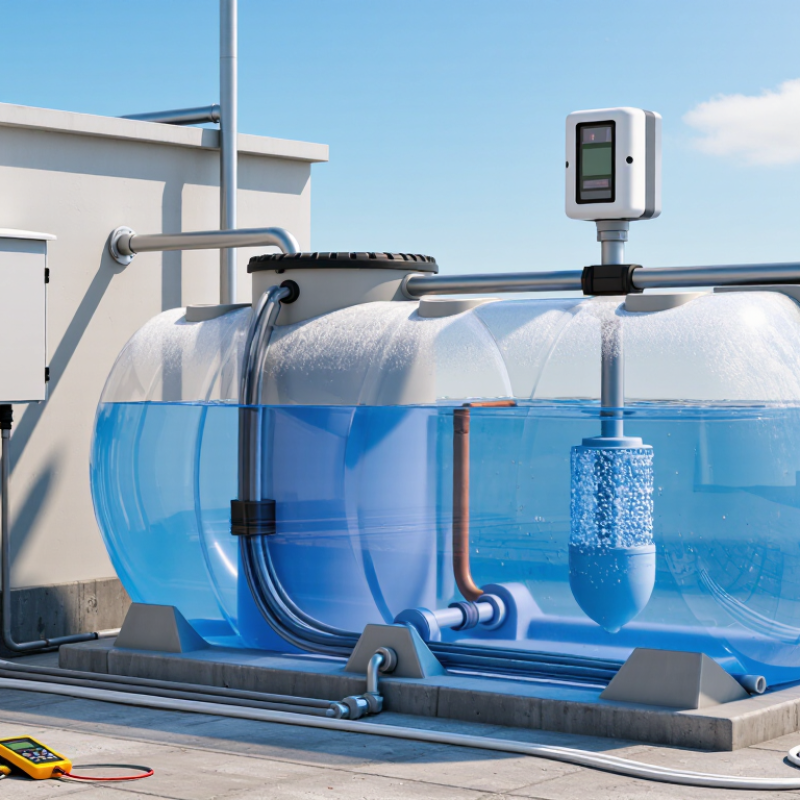
A water tank level sensor is a device that measures how much water a tank contains. It converts the water height into a readable signal for a display, controller, or monitoring system. Common sensing methods include floats, pressure measurement, and ultrasonic distance detection. Each method suits different tank shapes and installation conditions.
Its purpose is practical: to show the current level and support safer water management. A sensor can warn users before a tank runs dry or prevent overflow during filling. It can also help control pumps, schedule deliveries, and identify unusual water loss. For example, a sudden overnight drop may indicate a leaking pipe, not normal household use. In field installations, technicians should check the tank’s dimensions, sensor position, cable protection, and measurement range. Calibration matters.
Small errors can become expensive.
Condensation, foam, sediment, and a moving water surface can affect readings. Ultrasonic sensors may struggle with heavy vapour, while float sensors can stick when dirt builds around the mechanism. A pressure sensor may need correction when the water density or mounting height changes. No sensor is perfect. A manual gauge check remains useful, especially after installation or maintenance. Selecting a sensor means considering accuracy, response time, power supply, environmental exposure, and the consequences of a false reading. The simplest device is not always the most reliable choice.
A water tank level sensor determines liquid height and converts it into a usable signal. The measurement helps prevent dry pumps, overflow, and unexpected service interruptions.
Several sensing methods are common. A float rises with the water and moves a switch or magnetic scale. An ultrasonic sensor sends sound toward the liquid surface, then measures the returning echo. The system calculates distance from the echo time. It subtracts that distance from the tank’s total height. A pressure sensor sits near the tank bottom. Water weight creates pressure, which the sensor converts into liquid depth. Density changes can affect this calculation.
Capacitive sensors detect changes in an electrical field as liquid covers the probe. Installation conditions matter. Turbulence, foam, condensation, and sediment may distort readings. Mounting the sensor away from the inlet usually improves stability. Calibration should use known liquid levels, not only factory settings. Temperature compensation may also be necessary in outdoor tanks.
A reading can look precise and still be wrong. Technicians often compare the display with a manual measurement during maintenance. This simple check can reveal a blocked pressure port, a shifted float, or incorrect tank dimensions. No sensor is perfect. Even a reliable system needs cleaning, inspection, and occasional recalibration.
Common Types of Water Tank Level Sensors
A water tank level sensor measures how much water a tank holds and can help prevent dry running or overflow. Common types include float, ultrasonic, hydrostatic, and capacitive sensors. Each works differently, so tank shape, water quality, and installation conditions matter.
Float sensors rise and fall with the water. They are straightforward and easy to inspect, but moving parts can stick if sediment builds up. Ultrasonic sensors sit above the water and measure the distance to its surface using sound waves. They avoid contact with water, though foam, condensation, or an uneven surface may affect readings. Hydrostatic sensors measure pressure near the tank bottom. They suit deeper tanks, but need proper placement and attention to pressure changes. Capacitive sensors detect changes in electrical properties as water rises. They can work in compact tanks, but calibration may be sensitive to the tank material.
Tips: Check whether the sensor is compatible with potable water when needed. Keep the measurement area clear, and compare readings with a manual level check during setup. No sensor is perfect; a small mismatch may appear when water sloshes or temperatures shift.
Key Components and Installation Considerations
A water tank level sensor usually combines a sensing element, signal transmitter, and display or controller. The sensing method matters. A float sensor rises with the water, while an ultrasonic sensor measures the gap between the sensor and the surface. A hydrostatic sensor reads pressure near the tank bottom. Each approach has limits, so match the device to the tank’s shape, liquid, and operating conditions.
Installation details can affect readings as much as sensor choice. Mount the sensor where ladders, inlet pipes, and internal braces will not obstruct it. For ultrasonic models, leave clear space above the highest expected water level; turbulence and foam can confuse the echo. Submersible probes need suitable cable support and a secure, dry connection above the tank. Keep electrical connections protected from moisture, and follow the sensor’s wiring and grounding instructions. Check the measurement range before installation. An overlooked dead zone can leave the top of a tank unmeasured. After mounting, compare readings with a known water depth and adjust the displayed range if needed. Calibration may still drift over time, especially where deposits build up. That is easy to underestimate.
Typical Applications and Performance Factors
Water tank level sensors measure how much liquid a tank holds and provide readings for monitoring or control. In homes, they can help track cisterns and prevent pumps from running dry. Farms use them to check irrigation storage, while facilities may monitor process water or rainwater tanks. Wastewater tanks need particular care because buildup can affect sensor contact and readings.
Small details count. A float sensor moves with the liquid, making it straightforward to inspect, but moving parts can snag or wear. Ultrasonic sensors measure distance from above, so they avoid direct contact with the liquid. Foam, condensation, or a narrow tank opening can interfere with readings, though. Pressure-based sensors can suit deeper tanks, but the liquid’s density and sensor placement matter.
Performance depends on more than the sensor’s stated accuracy. Tank shape, mounting position, temperature, and splashing can all influence readings. A sensor installed near an inlet may show sudden fluctuations as water pours in. In practice, a tidy specification sheet does not guarantee a tidy installation. Check the measurement range, response time, output type, and maintenance needs against the actual tank. Periodic checks against a manual measurement can reveal drift before it causes control problems.